
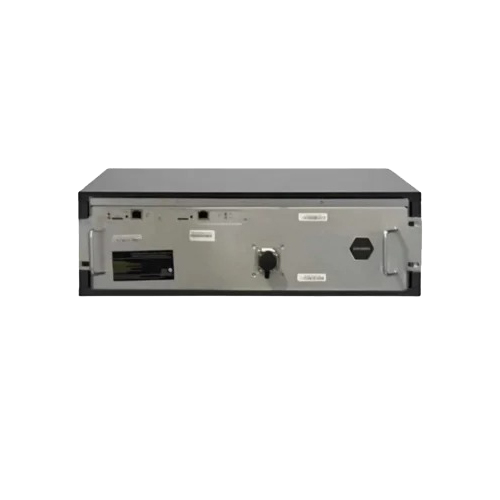
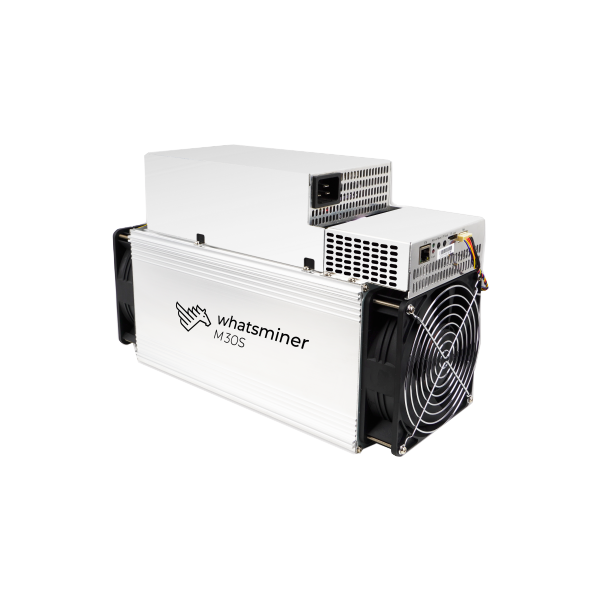
Bitmain Antminer S21e XP Hyd 3U vs Whatsminer M30S
Side-by-side specs, profitability, and home mining comparison.
Specifications Comparison
| Bitmain Antminer S21e XP Hyd 3U | Specification | Whatsminer M30S |
|---|---|---|
| 860.0 TH/s | Taux de hachage | 88.0 TH/s |
| 11,180 W | Consommation électrique | 3,344 W |
| 13.0 J/TH | Efficiency | 38.0 J/TH |
| 50 dB | Niveau de bruit | 75 dB |
| — | Weight | 11.5 kg |
| 38,146 BTU/hr | BTU Output | 11,410 BTU/hr |
| 44/100 | Home Mining Score | 36/100 |
| — | Release Year | — |
| SHA-256 | Algorithme | SHA-256 |
| Bitmain | Manufacturer | MicroBT |
Profitability Comparison
Bitmain Antminer S21e XP Hyd 3U
Whatsminer M30S
Based on BTC price of $78,175 and current network difficulty as of May 16, 2026. Actual results vary.
Verdict
Run the numbers across every spec and the Bitmain Antminer S21e XP Hyd 3U edges it: 5 of 6 factors go its way (efficacité, hashrate, score de minage domestique, niveau sonore, rapport qualité-prix). Its biggest concrete edge: 877% more hashrate (860.0 vs 88.0 TH/s). That said, the Whatsminer M30S isn't beaten everywhere — it still wins consommation électrique. Cross-check the spec deltas and ROI table above against your own electricity rate before deciding.
Spec Deltas
Here is every spec where the Bitmain Antminer S21e XP Hyd 3U and Whatsminer M30S actually differ, with the gap quantified:
- Bitmain Antminer S21e XP Hyd 3U 877% more hashrate (860.0 vs 88.0 TH/s)
- Whatsminer M30S 70% better power draw (11,180 vs 3,344 W)
- Bitmain Antminer S21e XP Hyd 3U 66% better efficacité (13.0 vs 38.0 J/TH)
- Bitmain Antminer S21e XP Hyd 3U 33% better noise (50.0 vs 75.0 dB)
- Bitmain Antminer S21e XP Hyd 3U 234% more heat output (38,146 vs 11,410 BTU/hr)
- Bitmain Antminer S21e XP Hyd 3U 22% more score de minage domestique (44.0 vs 36.0)
Cost & ROI Over Time
Sticker price versus what the miner actually earns back: the table below projects cumulative net profit at a $0.10/kWh electricity rate.
| Bitmain Antminer S21e XP Hyd 3U | Metric | Whatsminer M30S |
|---|---|---|
| $10,899 | Upfront cost (MSRP) | $1,500 |
| $4.11 | Daily net profit | -$4.86 |
| -$9,400 | Net after 1 year | -$3,274 |
| -$7,901 | Net after 2 years | -$5,048 |
| -$6,403 | Net after 3 years | -$6,821 |
| Takes ~7.3 years to pay back at current rates | Payback period | Does not pay back at current rates (negative daily profit) |
Projections assume continuous operation, a flat $0.10/kWh rate, and no hardware degradation, pool fees, or BTC price change. Real-world ROI varies.
Best For...
Best for Profitability
Bitmain Antminer S21e XP Hyd 3U$8.97/day higher profit at current rates.
Best for Home Mining
Bitmain Antminer S21e XP Hyd 3UScore: 44/100. 50 dB noise level.
Best for Efficiency
Bitmain Antminer S21e XP Hyd 3U13.0 J/TH — lower electricity cost per terahash.
Frequently Asked Questions
Is the Bitmain Antminer S21e XP Hyd 3U or Whatsminer M30S more profitable?
At the current BTC price and a $0.10/kWh electricity rate, the Bitmain Antminer S21e XP Hyd 3U is more profitable at $4.11/day compared to $-4.86/day for the Whatsminer M30S. Profitability depends heavily on your electricity rate — use the selector above to calculate with your actual costs.
Which is quieter, the Bitmain Antminer S21e XP Hyd 3U or Whatsminer M30S?
The Bitmain Antminer S21e XP Hyd 3U is quieter at 50 dB compared to the Whatsminer M30S at 75 dB. For home mining, lower noise levels make a significant difference in livability.
For mining at home, should I pick the Bitmain Antminer S21e XP Hyd 3U or the Whatsminer M30S?
The Bitmain Antminer S21e XP Hyd 3U scores 44/100 on our Home Mining Score (vs 36/100 for the Whatsminer M30S). This composite score factors in noise, power requirements, heat output, size, and setup ease — all critical for residential mining.
How far apart are the Bitmain Antminer S21e XP Hyd 3U and Whatsminer M30S on J/TH?
The Bitmain Antminer S21e XP Hyd 3U runs at 13.0 J/TH while the Whatsminer M30S runs at 38.0 J/TH — a difference of 25.0 J/TH. Lower efficiency means less electricity per terahash of mining power, directly reducing operating costs. In relative terms that is 66% better efficacité (13.0 vs 38.0 J/TH).