

The Success Story of El Salvador’s Bitcoin Experiment
In September 2021, El Salvador embarked on a groundbreaking financial experiment that captured global attention—becoming the first country in the
4479 Desserte Nord Autoroute 440, Laval, QC H7P 6E2
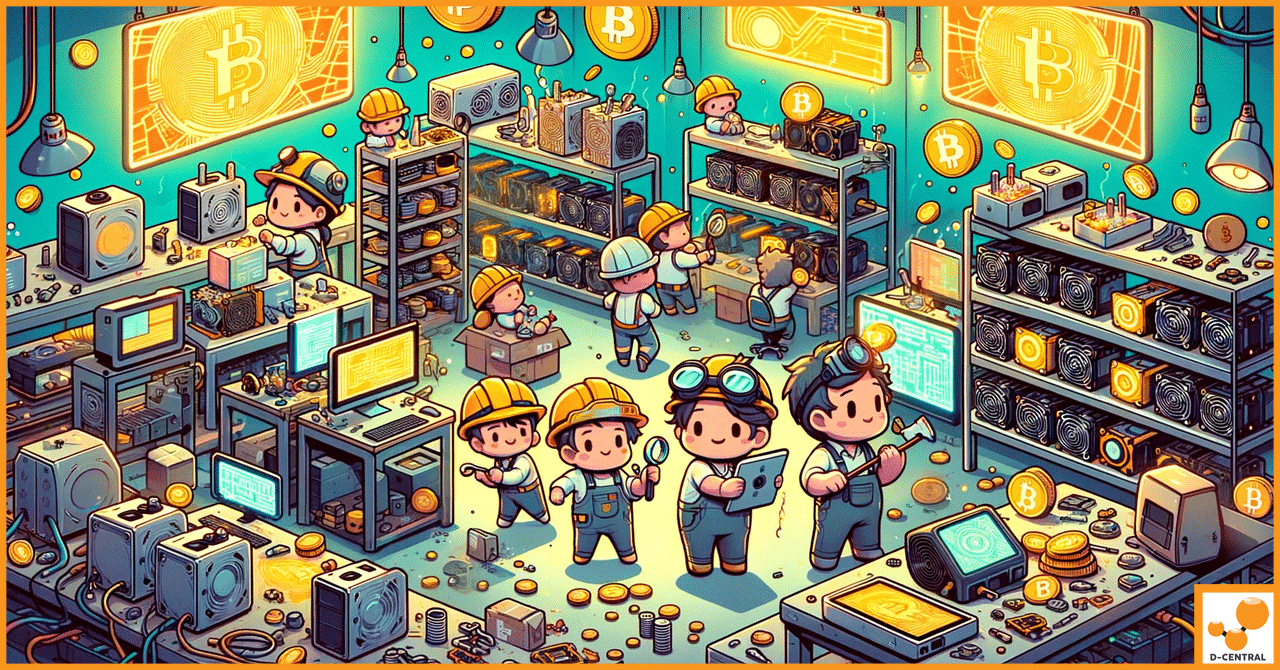
In the dynamic world of Bitcoin mining, the efficiency and longevity of mining hardware are paramount. At the heart of this high-stakes arena are Application-Specific Integrated Circuit (ASIC) miners, specialized equipment designed to do one thing: mine Bitcoin at breakneck speeds. However, like any high-performance machinery, ASIC miners are not immune to wear and tear, technical failures, or the relentless march of technological advancement. This is where the ASIC miner repair industry steps in, serving as the unsung hero in the Bitcoin mining ecosystem. By ensuring the optimal performance and extended lifespan of ASIC miners, repair services play a crucial role in maintaining the backbone of Bitcoin’s decentralized network.
Enter D-Central Technologies, a beacon of innovation and expertise in the ASIC repair landscape. Founded on the principles of collaboration and community, D-Central stands apart in an industry often marked by fierce competition. Rather than viewing other ASIC repair centers in North America as rivals, D-Central sees them as partners, integral members of a broader community working towards a common goal: the advancement and sustainability of Bitcoin mining. This ethos is reflected in every facet of D-Central’s operations, from providing parts to fellow repair centers to engaging in initiatives like the “Hash No Cash” program for recycling ASICs. D-Central’s approach is not just about fixing hardware; it’s about fostering a culture of cooperation, knowledge sharing, and mutual support among enthusiasts and professionals alike in the Bitcoin mining world.
Application-Specific Integrated Circuit (ASIC) miners represent the pinnacle of cryptocurrency mining technology, engineered exclusively for the task of mining Bitcoin. Unlike their predecessors—CPUs, GPUs, and FPGAs—ASIC miners are not general-purpose devices; they are tailor-made to execute the SHA-256 hashing algorithm, the cryptographic puzzle at the heart of Bitcoin mining. This specialization confers upon ASIC miners unparalleled efficiency and effectiveness, making them the de facto standard in the competitive realm of Bitcoin mining.
The importance of ASIC miners in the cryptocurrency mining ecosystem cannot be overstated. They are the workhorses that secure the Bitcoin network, validating transactions and ensuring the integrity of the blockchain. Each ASIC miner contributes to the collective hashing power, or the total computational power, used to mine new blocks and confirm transactions. The higher the hashing power, the more secure and resilient the network against attacks. In this way, ASIC miners are not just tools for individual gain but are integral to the very fabric of Bitcoin’s decentralized architecture.
However, the cutting-edge technology that gives ASIC miners their edge also subjects them to a host of challenges. The intense computational effort required for mining, coupled with the constant operation in high-heat environments, can lead to a range of issues, including overheating, component failure, and reduced efficiency over time. The relentless pursuit of more efficient and powerful miners also means that hardware can quickly become obsolete, further compounding the challenges faced by miners.
Common issues encountered by ASIC miners include:
Given these challenges, the need for expert repair services becomes evident. Skilled technicians with a deep understanding of ASIC hardware and the nuances of Bitcoin mining are essential to diagnose, repair, and maintain these sophisticated devices. Expert repair services not only extend the life of ASIC miners but also ensure they operate at peak efficiency, maximizing profitability for miners and contributing to the overall health and security of the Bitcoin network. In this context, the role of companies like D-Central Technologies becomes invaluable, providing the expertise and support necessary to sustain the backbone of Bitcoin mining.
Launching a profitable ASIC miner repair business in the fast-paced and technically demanding field of cryptocurrency mining requires a strategic approach, grounded in thorough market analysis, meticulous business planning, and adherence to legal and regulatory standards. Here are the key considerations for entrepreneurs looking to venture into this niche yet lucrative domain:
The cryptocurrency mining sector is characterized by rapid technological advancements and constant shifts in the market dynamics. Success in the ASIC miner repair business hinges on:
Starting an ASIC miner repair business is not without its challenges, but with the right blend of technical expertise, strategic planning, and a commitment to continuous learning, it can be a highly rewarding venture. As the cryptocurrency mining industry continues to evolve, the demand for skilled repair services will only grow, presenting a significant opportunity for those equipped to meet the market’s needs.
D-Central Technologies stands out in the competitive landscape of ASIC miner repair and Bitcoin mining services with a distinctive philosophy that champions collaboration over competition. Rooted in the belief that a cohesive and supportive community can drive greater advancements and sustainability in the Bitcoin mining ecosystem, D-Central actively seeks to build and nurture partnerships with other ASIC repair centers across North America.
D-Central’s approach to collaboration is multifaceted, focusing on creating synergies that benefit the wider mining community. Recognizing that the challenges faced by miners and repair centers are often complex and multifaceted, D-Central leverages its expertise and resources to foster a spirit of cooperation. This collaborative ethos is evident in several key initiatives:
D-Central’s commitment to fostering a supportive community is exemplified through various innovative programs and initiatives:
D-Central Technologies’ collaborative approach is more than just a business strategy; it’s a reflection of a deeper commitment to the principles of the Bitcoin and broader cryptocurrency community. By prioritizing partnerships, community engagement, and sustainable practices, D-Central not only sets itself apart as a leader in the ASIC repair industry but also contributes to the growth and resilience of the global Bitcoin mining ecosystem.
D-Central Technologies has established itself as a cornerstone in the Bitcoin mining community, offering a comprehensive suite of services and solutions tailored to meet the diverse needs of miners. From ASIC repair to maintenance training and hosting solutions, D-Central’s offerings are designed to enhance the efficiency, profitability, and sustainability of mining operations.
D-Central’s ASIC repair services stand at the forefront of their offerings, providing expert diagnostics and repair for a wide range of ASIC mining hardware. With a team of skilled technicians equipped with state-of-the-art tools and a deep understanding of ASIC technology, D-Central can address a variety of issues, from simple component replacements to complex circuitry repairs. This service ensures that miners can maximize the lifespan and efficiency of their hardware, reducing downtime and enhancing overall productivity.
Recognizing the importance of knowledge and self-sufficiency in the mining industry, D-Central offers comprehensive maintenance training programs. These sessions are designed to empower miners with the skills and insights needed to perform basic maintenance and troubleshooting tasks on their ASIC miners. By demystifying the complexities of ASIC hardware, D-Central helps miners reduce their reliance on external repair services and maintain optimal operation of their equipment.
For miners seeking a hassle-free mining experience, D-Central provides robust hosting solutions. These services offer a secure and efficient environment for ASIC miners, complete with optimal cooling, reliable power supply, and 24/7 monitoring. D-Central’s hosting solutions alleviate the logistical challenges associated with home or office mining setups, allowing miners to focus on their core activities while D-Central ensures the smooth operation of their hardware.
D-Central distinguishes itself through its innovative solutions and custom modifications designed to meet the unique needs of individual miners and mining operations:
D-Central Technologies’ array of services and solutions reflects a deep commitment to supporting and advancing the Bitcoin mining community. By offering expert repair services, empowering miners through training, providing secure hosting solutions, and pioneering innovative modifications, D-Central not only contributes to the operational success of miners but also to the broader sustainability and efficiency of the mining ecosystem.
Managing a successful ASIC repair business in the dynamic and rapidly evolving field of cryptocurrency mining requires a strategic approach to various operational aspects. From inventory management and customer service to quality assurance, each element plays a crucial role in ensuring the business not only thrives but also contributes positively to the broader mining ecosystem. Here are some best practices and insights for efficient management:
By implementing these best practices, an ASIC repair business can not only enhance its operational efficiency and customer satisfaction but also position itself as a leader in the field, offering cutting-edge solutions that address the current and future needs of the cryptocurrency mining community.
The environmental impact of Bitcoin mining has been a topic of significant discussion, given the substantial energy consumption associated with maintaining the Bitcoin network. As the industry continues to grow, the role of repair businesses in promoting sustainability and ethical practices becomes increasingly important. These businesses, including D-Central Technologies, are uniquely positioned to contribute positively to the environmental aspects of cryptocurrency mining.
Bitcoin mining, by its nature, is energy-intensive, primarily due to the computational power required for the proof-of-work consensus mechanism that secures the network. This has led to concerns about the carbon footprint of mining operations, especially those powered by non-renewable energy sources. The sustainability of mining practices is thus a critical issue that the industry must address to ensure its long-term viability and social acceptance.
Repair businesses play a crucial role in promoting sustainability within the Bitcoin mining ecosystem through several key practices:
D-Central Technologies is at the forefront of integrating sustainability and ethical considerations into its business model:
The sustainability and ethical considerations surrounding Bitcoin mining are complex and multifaceted. Repair businesses, exemplified by D-Central Technologies, play a pivotal role in addressing these challenges. Through practices such as extending the lifespan of mining hardware, promoting the reuse and refurbishment of equipment, and advocating for energy-efficient mining solutions, D-Central demonstrates a commitment to sustainability and ethical responsibility in the cryptocurrency mining industry.
In the rapidly evolving world of cryptocurrency mining, the importance of a supportive and engaged community, particularly in the niche of ASIC repair, cannot be overstated. A strong community fosters innovation, facilitates knowledge exchange, and provides a network of support that can significantly enhance the efficiency and effectiveness of repair services. Here are some strategies for building and nurturing such a community, along with insights into how D-Central Technologies plays a pivotal role in this ecosystem.
D-Central Technologies stands out not just for its services but also for its commitment to fostering a sense of community among ASIC repair professionals and enthusiasts. Here’s how D-Central contributes to this ecosystem:
Building a community around ASIC repair is about more than just fixing hardware; it’s about creating a collaborative ecosystem where knowledge, resources, and support are freely exchanged. D-Central Technologies exemplifies this community spirit through its active engagement, support for emerging businesses, and commitment to knowledge sharing. By fostering a strong sense of community, D-Central not only enhances its own services but also contributes to the growth and sustainability of the broader ASIC repair and cryptocurrency mining industry.
The ASIC repair industry, pivotal to the cryptocurrency mining sector, navigates a landscape filled with both challenges and opportunities. Rapid technological advancements, supply chain complexities, and market volatility present significant hurdles, yet they also open doors to innovation and growth. Understanding these dynamics is crucial for businesses like D-Central Technologies, which not only adapt to these challenges but also leverage them to enhance their offerings and contribute to the industry’s advancement.
Despite these challenges, the ASIC repair industry is ripe with opportunities for businesses that are prepared to innovate and adapt:
D-Central Technologies exemplifies how to navigate the challenges and opportunities within the ASIC repair industry effectively. By staying abreast of technological advancements, D-Central ensures its team is always equipped with the latest knowledge and tools. The company mitigates supply chain issues through strategic partnerships and a diversified supplier network, ensuring a reliable parts supply.
In response to market fluctuations, D-Central diversifies its service offerings, reducing dependency on any single market condition. The company’s commitment to quality is evident in its rigorous quality control processes and use of genuine parts, setting a high industry standard.
D-Central also embraces opportunities for innovation, as seen in its development of Bitcoin Space Heaters and silent fan modifications. These initiatives not only meet specific customer needs but also demonstrate D-Central’s role as an innovator in the industry.
The ASIC repair industry, integral to the cryptocurrency mining ecosystem, faces a complex array of challenges and opportunities. Businesses like D-Central Technologies that can adeptly navigate these dynamics, through continuous learning, innovation, and strategic collaboration, are well-positioned to thrive and contribute to the industry’s growth and sustainability.
The ASIC miner repair industry is a critical component of the cryptocurrency mining ecosystem, ensuring the longevity and efficiency of the hardware that powers the blockchain. Throughout this discussion, we’ve explored the multifaceted nature of this sector, from the challenges and opportunities it presents to the innovative solutions and community-focused approaches that define leaders like D-Central Technologies.
Managing a profitable ASIC miner repair business requires not just technical expertise but also a deep understanding of the industry’s dynamics and a commitment to ethical and sustainable practices. D-Central Technologies stands as a testament to what can be achieved with a focus on innovation, quality, and community.
We encourage readers, whether you’re seeking repair services, interested in partnership opportunities, or looking to join the vibrant community of ASIC repair providers, to engage with D-Central Technologies. By coming together, we can drive forward the advancements and sustainability of the cryptocurrency mining industry.
Join us in shaping the future of ASIC miner repair and contributing to a robust, efficient, and community-driven mining ecosystem.
What is an ASIC miner and its role in Bitcoin mining?
An ASIC miner, or Application-Specific Integrated Circuit miner, is specialized equipment designed exclusively for cryptocurrency mining, particularly Bitcoin. It performs the SHA-256 hashing algorithm essential for mining Bitcoin, making it highly efficient compared to general-purpose hardware. ASIC miners are crucial in securing the Bitcoin network, validating transactions, and ensuring the blockchain’s integrity.
Why are ASIC miner repair services important?
ASIC miner repair services are vital to maintaining the optimal performance and extending the lifespan of ASIC miners. These services address various issues like overheating, component failure, and firmware problems, ensuring miners operate at peak efficiency. This maximizes profitability for miners and contributes to the security and stability of the Bitcoin network.
What differentiates D-Central Technologies in the ASIC repair industry?
D-Central Technologies stands out in the ASIC repair industry through its collaborative approach, viewing other repair centers not as competitors but as partners. It fosters a community-driven ethos by sharing parts, knowledge, and engaging in initiatives like the “Hash No Cash” program for recycling ASICs. This approach supports the advancement and sustainability of Bitcoin mining as a collective goal.
How does D-Central Technologies contribute to the sustainability of Bitcoin mining?
D-Central Technologies supports the sustainability of Bitcoin mining by extending the hardware’s operational lifespan through repair and maintenance, promoting the refurbishment and reuse of ASICs, and developing energy-efficient solutions like Bitcoin Space Heaters. It prioritizes the use of refurbished hardware and advocates for environmentally responsible mining practices.
What additional services does D-Central Technologies offer besides ASIC repairs?
Beyond ASIC repairs, D-Central Technologies offers a comprehensive suite of services, including maintenance training programs for miners, secure hosting solutions for optimal mining hardware operation, and innovative solutions like custom modifications for ASIC miners and Bitcoin Space Heaters. These services are designed to enhance mining efficiency, profitability, and sustainability.
How can D-Central Technologies help aspiring entrepreneurs in starting an ASIC miner repair business?
D-Central Technologies can assist aspiring entrepreneurs through mentorship, training, and providing parts and resources. It encourages emerging repair shops and individuals looking to venture into the ASIC miner repair business by sharing knowledge, offering guidance on the dynamic cryptocurrency mining sector, and fostering a supportive community for growth and collaboration.
DISCLAIMER: D-Central Technologies and its associated content, including this blog, do not serve as financial advisors or official investment advisors. The insights and opinions shared here or by any guests featured in our content are provided purely for informational and educational purposes. Such communications should not be interpreted as financial, investment, legal, tax, or any form of specific advice. We are committed to advancing the knowledge and understanding of Bitcoin and its potential impact on society. However, we urge our community to proceed with caution and informed judgment in all related endeavors.
Related Posts
In September 2021, El Salvador embarked on a groundbreaking financial experiment that captured global attention—becoming the first country in the

Bitcoin has emerged as a revolutionary digital asset, reshaping the notion of currency in our increasingly connected world. It stands

In the ever-evolving world of blockchain technology, the concept of consensus mechanisms stands as a cornerstone, ensuring the integrity and