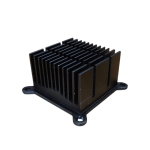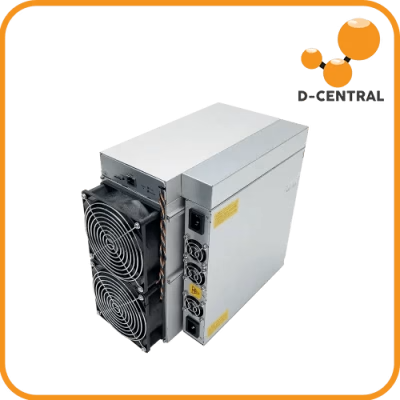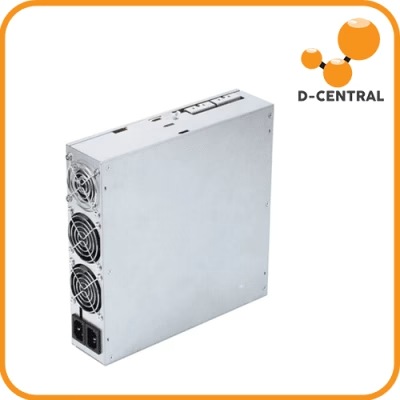
Every Bitcoin miner is a heater. That is not a metaphor — it is thermodynamics. An Antminer S19 converts roughly 3,250 watts of electricity into SHA-256 hashes and heat, with virtually 100% of that electrical energy ending up as thermal output. Most operations treat this heat as waste. Smart operators treat it as a resource. Vehicle wash facilities, with their enormous hot water demand and year-round heating requirements, represent one of the most compelling commercial applications for Bitcoin mining heat recovery in 2026.
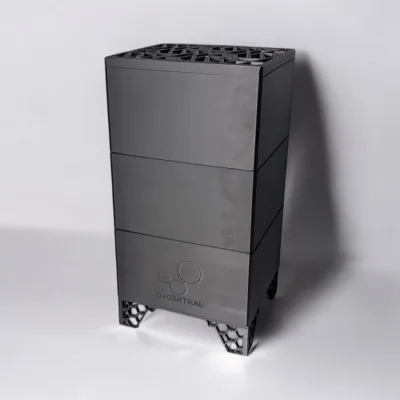
At D-Central Technologies, we have been building dual-purpose mining solutions since 2016 — machines that mine Bitcoin while serving a practical heating function. Our Bitcoin Space Heater line proves the concept at residential scale. The vehicle wash industry takes this same principle and applies it at commercial scale, where the economics become even more attractive.
Why Vehicle Washes Are a Natural Fit for Mining Heat
A typical commercial vehicle wash consumes between 30,000 and 50,000 gallons of water per day. That water needs to be heated — in most climates, incoming municipal water sits around 10-15°C (50-59°F), and effective washing requires temperatures of 40-60°C (104-140°F). The energy required to bridge that temperature gap represents one of the largest operational expenses for any wash facility.
Now consider the thermal output of Bitcoin mining hardware. A rack of ten Antminer S21 units running at 3,500W each produces 35kW of continuous thermal energy — roughly 119,000 BTU/h. That is equivalent to a mid-sized commercial boiler, except this “boiler” also generates Bitcoin as a byproduct.
| Parameter | Typical Vehicle Wash | Mining Heat Recovery Potential |
|---|---|---|
| Daily hot water demand | 30,000 – 50,000 gallons | Pre-heat supply via heat exchangers |
| Water temperature required | 40-60°C (104-140°F) | Miners output 60-70°C exhaust air |
| Annual heating cost | $25,000 – $80,000+ | 30-60% reduction possible |
| Operating hours | 12-16 hours/day | Miners run 24/7 — heat available continuously |
| Peak demand season | Winter (cold water + salt/grime) | Mining heat most valuable in winter |
The alignment is almost too perfect. Vehicle washes need the most heat precisely when miners produce the most value — during cold months when incoming water temperatures are lowest and customers are most frequent due to road salt and winter grime. The facility already has the electrical infrastructure, the physical space, and the ventilation systems that mining hardware requires.
How the Integration Works
The technical implementation is straightforward, though it requires thoughtful engineering. There are two primary heat recovery pathways:
Air-to-Water Heat Exchange
Bitcoin miners exhaust hot air at 60-70°C. An air-to-water heat exchanger captures this thermal energy and transfers it to the incoming water supply. The pre-heated water then enters the facility’s existing boiler or tankless heater system, which needs to do significantly less work to bring it to the target temperature. A well-designed system can pre-heat incoming water by 15-25°C before it even reaches the primary water heater, cutting natural gas or propane consumption by 30-50%.
Direct Space Heating
The hot exhaust air from miners can also be ducted directly into the wash bay, equipment rooms, or customer waiting areas via the existing HVAC system. An inline fan draws fresh air from an external vent, channels it through the mining enclosure, and pushes the heated air into the building’s ductwork. During Canadian winters — where D-Central operates — this space heating value alone can offset thousands of dollars in monthly heating costs.
Both approaches can run simultaneously. The key is a properly designed airflow path that maximizes heat capture while maintaining the cool intake air that miners need for optimal performance. This is exactly the kind of engineering challenge that the D-Central consulting team solves for commercial clients.
The Economics: Mining Revenue + Heat Savings
Here is where the math gets interesting. In a traditional setup, heating is a pure cost center — money goes in, heat comes out, nothing else. With mining heat recovery, that same thermal energy produces a second output: Bitcoin.
Let us model a mid-sized installation using 2026 network parameters:
| Component | Specification |
|---|---|
| Hardware | 10x Antminer S21 (200 TH/s each) |
| Total hashrate | 2,000 TH/s (2 PH/s) |
| Total power draw | ~35 kW |
| Thermal output | ~35 kW (~119,000 BTU/h) |
| Block reward (2026) | 3.125 BTC |
| Network hashrate | 800+ EH/s |
| Network difficulty | 110T+ |
| Electricity cost (Canada avg) | $0.07 – $0.12/kWh |
| Monthly electricity cost | $1,764 – $3,024 |
| Estimated annual heat offset | $15,000 – $40,000 |
The critical insight: the electricity cost of running miners is not a new expense — it replaces the fuel cost you were already paying for heating. When you factor in the Bitcoin revenue on top of the heat savings, the effective cost of heating drops to zero or even goes negative. Your heating system is now paying you.
At Canadian electricity rates — among the lowest in North America — the economics are particularly compelling. A vehicle wash in Quebec paying $0.07/kWh has a fundamentally different cost structure than one in California paying $0.25/kWh. This is one of Canada’s structural advantages for mining, and it is why D-Central operates its hosting facility in Quebec.
Implementation Considerations
Deploying mining hardware in a vehicle wash environment requires attention to several factors that differ from a standard mining facility:
Moisture and Humidity
Vehicle washes are inherently wet environments. Mining hardware and water do not mix. The mining equipment must be installed in a separate, climate-controlled room with proper sealing, dehumidification, and positive air pressure to prevent moisture ingress. The hot air exhaust is routed through sealed ductwork — the miners themselves never contact the wash environment directly.
Electrical Infrastructure
Ten S21 units require approximately 35 kW of 240V power with appropriate circuit breakers and wiring. Most commercial vehicle washes already have 200-400 amp service panels, making the additional electrical load feasible without a major service upgrade. A licensed electrician should evaluate the existing panel capacity and run dedicated circuits for the mining equipment.
Noise Management
ASIC miners are loud — an S21 runs at approximately 75 dB. Fortunately, vehicle washes are already noisy environments with pumps, blowers, and high-pressure spray systems. Isolating the mining room with acoustic insulation and locating it away from the customer waiting area eliminates any noise concerns. The mining room’s acoustic profile is actually quieter than the wash bay itself.
Heat Exchanger Sizing
The heat exchanger must be properly sized for the thermal load. Undersized exchangers leave heat on the table; oversized ones waste capital. A plate heat exchanger rated for 40-50 kW with appropriate flow rates for the facility’s water volume is typical for a 10-unit installation. This is off-the-shelf industrial equipment — nothing exotic or custom-fabricated is required.
Maintenance
Mining hardware requires periodic maintenance: dust removal, fan replacement, thermal paste reapplication, and firmware updates. These are tasks that any competent technician can handle, and D-Central’s ASIC repair service supports commercial clients with maintenance contracts, diagnostics, and hashboard-level repair for when hardware needs professional attention.
The Canadian Advantage
Canada is uniquely positioned for mining heat recovery applications. The country offers low electricity rates (particularly in Quebec and Manitoba), cold winters that maximize heating demand, a stable regulatory environment, and growing institutional acceptance of Bitcoin mining as a legitimate industrial activity.
For Canadian vehicle wash operators specifically, the math is compelling:
- Long heating season: 6-8 months of significant heating demand in most provinces
- Cold inlet water: Municipal water temperatures drop to 4-8°C in winter, maximizing heat recovery value
- Low electricity costs: $0.05-0.10/kWh in Quebec, Manitoba, and BC — well below the breakeven threshold for mining
- Road salt season: Winter driving conditions drive peak wash demand exactly when mining heat is most valuable
- Carbon tax offset: Reducing natural gas consumption directly reduces carbon tax liability
The seasonal alignment between wash demand and heating need creates a natural synergy that does not exist in warmer climates. A vehicle wash in Montreal or Calgary gets more value from mining heat recovery than one in Miami or Phoenix — and it is not even close.
Beyond Hot Water: The Full Stack of Benefits
Heat recovery is the headline benefit, but the value stack goes deeper:
Revenue diversification. Vehicle washes are operationally simple but margin-thin. Adding a Bitcoin revenue stream — even a modest one — provides diversification that insulates the business from seasonal fluctuations and competitive pressure.
Energy arbitrage. Many utilities offer time-of-use pricing or interruptible power contracts. Mining hardware can be configured to ramp down during peak electricity pricing and ramp up during off-peak hours, optimizing the effective electricity cost while maintaining heating output during the periods when it matters most.
Brand differentiation. Customers notice innovation. A vehicle wash that mines Bitcoin and uses the heat to power its operations is a story worth telling — and a story that generates word-of-mouth, media coverage, and social media engagement that traditional marketing cannot buy.
Grid stability contribution. Flexible mining loads can participate in demand response programs, earning additional revenue from utilities that pay large power consumers to reduce load during grid stress events. The miners shut down for a few hours, the water heater picks up the slack, and the utility sends a cheque.
Getting Started: A Practical Roadmap
Implementing mining heat recovery in a vehicle wash does not require a massive upfront investment or a PhD in thermodynamics. Here is a practical approach:
- Energy audit: Document your current heating costs, water volume, inlet temperatures, and electrical capacity. This data drives the sizing calculation for the mining installation.
- Consult with specialists: Work with a team that understands both mining hardware and heat recovery engineering. D-Central’s consulting service provides site assessments, equipment recommendations, and implementation planning for commercial heat recovery projects.
- Start modestly: Begin with 3-5 miners to validate the concept and measure actual heat recovery performance in your specific facility. Scale up once you have real-world data confirming the economics.
- Select appropriate hardware: Not all miners are equal for heat recovery. High-efficiency units with higher exhaust temperatures and lower noise profiles are preferable. Browse D-Central’s shop for mining hardware suited to commercial dual-purpose applications.
- Install proper heat exchange: Work with an HVAC contractor familiar with industrial heat recovery to install the air-to-water heat exchanger and ductwork. The mining room needs dedicated ventilation separate from the wash bay.
- Monitor and optimize: Track electricity costs, mining revenue, and heating fuel savings monthly. Adjust the mining fleet size based on observed performance and seasonal demand patterns.
The Bigger Picture: Mining as Infrastructure
The vehicle wash use case is part of a much larger trend: Bitcoin mining evolving from a standalone activity into embedded infrastructure. Wherever there is demand for heat and access to electricity, there is an opportunity to mine Bitcoin as a co-product. Greenhouses, swimming pools, breweries, residential homes, commercial buildings — the applications are multiplying as the industry matures.
At D-Central, we see this evolution as fundamental to Bitcoin’s decentralization mission. When mining hardware is distributed across thousands of commercial and residential facilities — each capturing heat that would otherwise be wasted — the Bitcoin network becomes more resilient, more distributed, and more deeply integrated into the physical economy. That is not just good for business. That is good for Bitcoin.
Every hash heats a gallon. Every block reward offsets a fuel bill. Every miner in a vehicle wash is one more node in a decentralized network that no government, corporation, or cartel can shut down.
That is the future we are building. One wash bay at a time.
Frequently Asked Questions
How much heat does a Bitcoin miner actually produce?
Virtually 100% of the electrical energy consumed by a Bitcoin miner is converted to heat. An Antminer S21 drawing 3,500W produces approximately 3,500W (11,942 BTU/h) of thermal energy. Ten units produce roughly 119,000 BTU/h — comparable to a mid-sized commercial boiler. This is not incidental waste heat; it is a substantial and continuous thermal output that can meaningfully offset heating costs in a commercial facility.
Will mining hardware survive in a vehicle wash environment?
Mining hardware must be isolated from the wet wash environment. The miners are installed in a separate, sealed, dehumidified room with dedicated ventilation. Hot exhaust air is routed through sealed ductwork to heat exchangers or HVAC systems — the miners themselves never contact moisture. With proper installation, the mining hardware operates in the same controlled conditions as any standard mining facility.
What is the typical ROI for a vehicle wash mining installation?
ROI depends on electricity cost, heating fuel displaced, Bitcoin price, and network difficulty. At Canadian electricity rates ($0.07-0.10/kWh), a 10-unit installation typically achieves payback on hardware costs within 12-24 months when factoring both Bitcoin revenue and heating cost savings. The heat savings component — $15,000-$40,000 annually depending on climate and facility size — is the predictable, low-risk portion of the return.
How much electrical capacity do I need?
A 10-unit Antminer S21 installation requires approximately 35 kW of 240V power — roughly equivalent to a 150-amp dedicated circuit. Most commercial vehicle washes operate on 200-400 amp service panels, so the additional load is typically feasible without a major service upgrade. However, a licensed electrician should evaluate your specific panel capacity and local code requirements before installation.
Can I start small and scale up?
Absolutely. Starting with 3-5 miners is the recommended approach. This validates the heat recovery performance in your specific facility, confirms the electrical and ventilation setup works correctly, and provides real-world economic data before committing to a larger installation. Each additional miner is modular — scaling up is straightforward once the infrastructure is in place.
What happens in summer when I do not need as much heat?
In summer, the heat recovery value decreases but the Bitcoin mining revenue continues. You have several options: exhaust the hot air outdoors (miners keep running, you keep earning Bitcoin), reduce the fleet size during warmer months, or use the heat for pre-heating water which is still beneficial even in summer. Some operators negotiate seasonal electricity contracts that optimize costs for year-round operation.
Does D-Central provide equipment and support for commercial heat recovery?
Yes. D-Central provides mining hardware, consulting services for site assessment and implementation planning, ongoing ASIC repair and maintenance, and hosting solutions. We have been building dual-purpose mining solutions since 2016 — from residential Bitcoin Space Heaters to commercial heat recovery installations. Contact our consulting team to discuss your specific vehicle wash project.