Buying an application-specific integrated circuit miner is an equipment and site decision before it is a revenue decision. A low advertised price can become expensive when the complete product is not accepted for use in Canada, the circuit cannot carry its continuous load, tax and import charges were omitted, or used hardware arrives without evidence of condition. Start with the gates below. If a gate cannot be documented, pause the purchase.
Five checks before choosing hardware
- Approval and site fit: document the complete product’s Canadian electrical approval and have the proposed circuit, receptacle, plug, conductor, overcurrent protection, disconnect, ventilation and location reviewed for the actual nameplate load.
- Condition evidence: classify the unit as new, refurbished, used or modified and demand evidence appropriate to that claim. A cleaned enclosure is not proof of refurbishment.
- Total delivered obligation: identify the legal seller, physical ship-from point, currency, tax, import roles, freight, insurance, brokerage, payment fees and return freight. Do not compare sticker prices with different inclusions.
- Written remedies: obtain the cancellation, arrival-damage, dead-on-arrival, warranty and return terms before payment. Distinguish a seller warranty from any manufacturer warranty and from non-waivable statutory rights.
- Downside model: test costs under higher electricity prices, lower revenue, downtime, curtailed operation and repair. Mining output and asset prices vary; no machine has guaranteed payback.
Electrical and site approval gate
Do not energize the miner until this gate is cleared. Get a photograph of the approval label on the complete unit, not a website logo. Ontario’s Electrical Safety Authority warns that a mark on one component does not approve the complete product; Technical Safety BC likewise requires an acceptable certification or approval mark. Confirm acceptance with the authority for the installation address.
A changed power supply, wiring, connector, controller, enclosure, fan system or heating conversion can fall outside the original certification. Require a modification list and complete-product approval basis. If field evaluation is required, obtain the acceptable label and documentation before operation; approved components or an overseas mark are not substitutes.
Give a licensed electrical contractor the nameplate input, plug, cord and continuous-duty plan. The contractor must determine circuit rating, continuous-load allowance, conductor, receptacle, disconnect, panel capacity, grounding, permits and inspection. Many breakers are applied at 80% for continuous loads unless the assembly is rated for 100%; 15 A multiplied by 120 V is not automatically 1,800 W of continuous miner capacity.
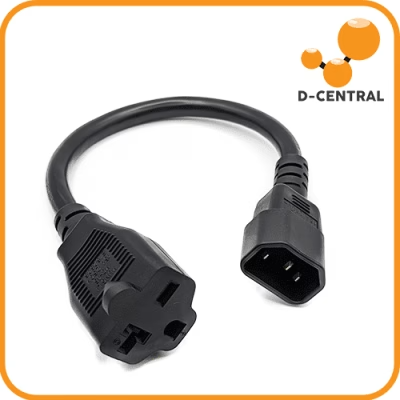
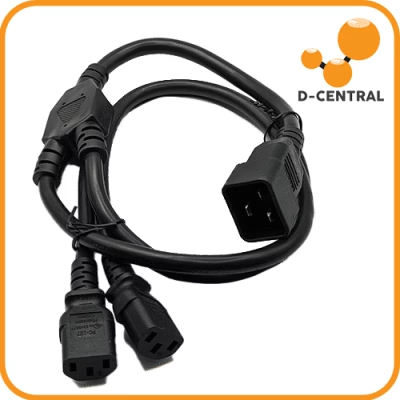
No universal 240 V/20 A prescription fits every miner. Never alter a plug to fit, defeat grounding, use household power strips for a high load or make an extension cord permanent wiring. Connectors and protection must fit the load and environment; loose or underspecified terminations can overheat.
Plan heat, airflow, dust, humidity, noise, fire separation, egress and maintenance. Exhaust changes can require building or mechanical approval. Site type can add lease, insurance, fire-code, zoning and nuisance constraints; obtain required written consents.
Model cost before revenue
Use the all-in electricity bill, not a promotional energy-only rate. Separate energy, delivery, transmission, demand, fixed customer charges, riders, taxes and any time-of-use or tier effects. Estimate the incremental bill by comparing the applicable tariff with and without the continuous load; a simple cents-per-kilowatt-hour multiplication can miss demand charges or push other consumption into a different tier.
A useful monthly energy starting point is nameplate input kilowatts multiplied by operating hours, adjusted with measured power when reliable. Add ventilation or cooling, networking, downtime, maintenance, repair freight, insurance, financing, service fees, tax consequences and expected residual value. Date every network and market input.
Run a base case and adverse cases: higher electricity cost, lower asset price, rising network difficulty, reduced fees, lower uptime and a board failure. A calculator output is not a forecast. Heat has value only when it displaces heating otherwise purchased, where and when useful, minus distribution losses and added operating costs. Miner electricity is not automatically costless heat.
New, refurbished, used and modified equipment
Put the condition category on the quote and invoice. “Used” says little about hours, environment or repair. “Refurbished” should identify the inspector, repairs, replaced parts, test standard and warranty. “Modified” should list departures from the original design and effects on approval and warranty. Define terms such as tested or like-new objectively.
Evidence to request before paying
- Serial number and photographs that link the offered unit to the test evidence.
- Ownership, deployment environment, operating-hours if available, repair, water, corrosion, overheat and modification history.
- Clear photographs of the chassis, hashboards, control board, power connectors, fans, cables and areas where corrosion or overheated joints appear.
- A recent timestamped test under a stated ambient temperature and duration showing every board and chip chain detected, steady hashrate, input power, board temperatures, fan behaviour, frequency/voltage settings and hardware-error indicators.
- Firmware name, version, provenance and configuration, plus confirmation that credentials, remote-management agents, API tokens and prior-owner settings will be removed.
- Included power supply, cords, ducts, controllers and other parts, each with its own condition and approval status.
- The acceptance standard, dead-on-arrival window, warranty scope, excluded conditions, claim evidence, repair location, response time and who pays freight.
For a high-value lot, use independent inspection or sample-based acceptance. A boot video is not burn-in; hashrate alone misses wall power, intermittent board loss and overheated connectors. Without serial-linked evidence, treat condition as unknown.
Domestic and imported landed cost
A Canadian website, Canadian-dollar price or Canadian contact address does not establish that the miner is already in Canada. Require the physical ship-from location, stock/build-to-order/special-order status, and legal seller’s name and address.
For an import, record the importer of record, exporter, broker, classification, origin, customs value, tax, duty, brokerage, freight, insurance and delivery term. CBSA warns that Canadian-domain purchases can ship from abroad and incur charges. Its importer-of-record rules effective January 1, 2026 can impose liability; do not accept that role casually.
Do not state that miners are categorically duty-free. Classification depends on the goods as imported and origin can affect tariff treatment. A broker’s estimate is not a binding classification decision. If the amount is material or the classification uncertain, consider requesting a CBSA advance ruling before shipment. Keep the commercial invoice, packing list, origin evidence, customs accounting record and proof of tax paid.
Use a named Incoterms 2020 rule and place, but not as a substitute for a purchase agreement. It allocates specified delivery tasks, cost and risk—not title, payment, compliance, remedies or governing law. Allocate import clearance, tax, brokerage and loss expressly.
Canadian sales tax on an ordinary taxable purchase
The following is a purchasing estimate, not tax advice. Federal place-of-supply and provincial rules determine the invoice; delivery destination, seller registration, purchaser status, exemptions, resale and self-assessment can change the result. Confirm the actual invoice before paying.
| Delivery jurisdiction | Common tax treatment for ordinary taxable goods |
|---|---|
| Alberta, Northwest Territories, Nunavut, Yukon | 5% GST |
| British Columbia | 5% GST plus generally 7% PST |
| Manitoba | 5% GST plus generally 7% RST |
| Saskatchewan | 5% GST plus generally 6% PST |
| Quebec | 5% GST plus 9.975% QST |
| Ontario | 13% HST |
| New Brunswick, Newfoundland and Labrador, Prince Edward Island | 15% HST |
| Nova Scotia | 14% HST |
A GST/HST registrant may be able to claim input tax credits only when statutory requirements are met and records support commercial use. Provincial recovery rules differ. Personal or exempt use can restrict recovery. Imports can also create tax or self-assessment obligations. Obtain advice for the purchaser’s facts instead of reducing the quote by an assumed refund.
Verify the seller, invoice and payment route
- Verify the legal entity, physical address, domain and contact route independently. Match the payee to the contracting seller and investigate any last-minute account change.
- Require a detailed invoice with serial numbers or allocation method, condition, quantity, currency, taxes, delivery term, ship-from point, promised window and written remedies.
- Check the recipient details using a known telephone number, especially after email changes. Treat urgency, secrecy, overpayment, split-payment and “release fee” requests as warning signs.
- Understand the payment provider’s actual dispute rules, deadlines, exclusions and evidence requirements. A payment method is not an escrow arrangement merely because it is electronic.
Do not advertise Interac e-Transfer or cryptocurrency as buyer protection. Interac states that an e-Transfer cannot be reversed after deposit. Cryptoasset transfers may also be irreversible. The Canadian Anti-Fraud Centre recommends using payment methods with fraud protection and being cautious with cryptocurrency. For a material transaction, consider a documented escrow or inspection arrangement reviewed for the parties and jurisdiction, not an unverified service suggested by a stranger.
Warranty, shipping and legal terms
Separate manufacturer warranty, seller warranty, voluntary returns and statutory rights. Record the provider, term, start date, transferability, covered parts/labour, diagnostics, exclusions, remedy, repair location and responsibility for packaging, duties and freight. Confirm how use, firmware, tuning, environment, power quality and modifications affect coverage.
A “final sale” label can govern change-of-mind returns but may not eliminate statutory rights. Consumer-protection rules differ by province and generally distinguish purchases for personal, family or household purposes from business purchases. Ontario’s Consumer Protection Act definition, for example, excludes a person acting for business purposes. Quebec imposes specific distance-contract disclosures and cancellation rules and says legal warranties apply automatically to goods, including used goods, sold by a merchant. Terms should say “final sale for change of mind, subject to applicable statutory rights” where appropriate, and counsel should review the actual sales flow.
Estimates and force-majeure language do not necessarily displace mandatory late-delivery or cancellation rights. Define order acceptance, stock status, dispatch target, carrier, signature, insurance, packaging, risk transfer, damage procedure and deadline. Align cross-border terms with the Incoterm and importer-of-record allocation.
Province, utility and project-size constraints
Do not rely on a static “best province” electricity table. Rules and rate classes can change, and a residence, farm, small business and multi-megawatt project can receive very different treatment in the same province. Ask the serving utility in writing about service availability, rate class, demand charges, deposits, upgrades, curtailment and interconnection timing before buying equipment.
- Quebec: Hydro-Quebec identifies Rate CB for blockchain use of 50 kilowatts or more. Confirm eligibility, allocation, curtailment and service conditions for the site and load.
- British Columbia: provincial policy and the current regulation restrict service to defined new cryptocurrency-mining projects. Read the operative definition and exceptions rather than assuming that a project can connect because power exists nearby.
- Manitoba: the current large-supply guidance says new electric-service requests for cryptocurrency mining are ineligible regardless of size. Confirm the current rule directly before committing to a site or equipment.
- Ontario: residential time-of-use, tiered and ultra-low overnight options and non-residential structures have different implications; use the Ontario Energy Board’s current rates and the local distributor’s tariff.
Other jurisdictions can impose their own rate, service, permitting, zoning, environmental and noise rules. An existing service does not guarantee permission for a materially larger or different load. Large projects require professional electrical, mechanical, fire, building, acoustic, insurance, tax and legal review.
Arrival and acceptance protocol
- Before opening, photograph every side of the package, label, seal, puncture, crush or moisture mark. Note delivery time and obtain the carrier’s damage notation.
- Record a continuous unboxing for a high-value or disputed-condition unit. Preserve packaging, shock or tilt indicators and all accessories until acceptance.
- Match model, serial number, approval label, condition and included parts to the agreement. Quarantine unexpected firmware or networking configuration.
- With power disconnected, inspect for loose parts, corrosion, liquid residue, burnt odour, dust loading, damaged fans, cracked boards, overheated connectors, wrong cords and altered wiring. Do not energize unsafe equipment.
- After the electrical gate is cleared, isolate the miner on a controlled network, replace credentials, update only through a verified firmware path and retain the original configuration evidence.
- Run the written acceptance test at the stated ambient conditions and settings. Capture per-board detection, stable hashrate, measured wall power, temperatures, fan behaviour, hardware errors, logs and start/end times.
- Notify the seller in writing within the contractual and carrier deadlines. Provide serial-linked evidence but keep originals. Do not repair, disassemble or ship the unit until the seller confirms how that affects the claim.
Mining-income tax note
Purchase taxes and income-tax treatment are separate. CRA says crypto mining is usually a business activity because of its scale and resources, while the facts determine the result. Revenue, inventory or capital-property treatment, expenses, home-workspace limits and GST/HST obligations require records and fact-specific analysis. CRA materials identify data-network-infrastructure equipment as potentially falling in capital cost allowance Class 50; that is not a conclusion for every miner or every purchaser. Keep invoices, serial numbers, payment and import records, operating dates, electricity measurements, wallet and pool records, repair history and disposition proceeds, and obtain Canadian tax advice.
Printable purchase checklist
- Complete-product Canadian approval confirmed with the local authority having jurisdiction.
- Licensed contractor reviewed nameplate load, circuit, panel, receptacle, plug, disconnect and permits.
- Ventilation, heat, noise, fire, lease, insurance and building constraints cleared.
- Condition and modification category written on quote; serial-linked evidence reviewed.
- Physical ship-from, stock status, legal seller, importer of record and Incoterm documented.
- Currency, sales tax, freight, insurance, duty, brokerage and payment fees included in landed cost.
- Payment recipient independently verified; dispute procedure and deadlines understood.
- Warranty, dead-on-arrival, return freight, exclusions and statutory-rights wording recorded.
- Utility rate class, service eligibility, demand and upgrade terms confirmed for the site.
- Downside operating-cost model completed without assumed return promises.
- Arrival evidence, inspection, network quarantine and acceptance-test plan ready.
Official sources and review date
- Canada Revenue Agency: GST/HST rates and place-of-supply rules
- Revenu Quebec: taxable supplies
- British Columbia: PST small-business guide
- Manitoba: Retail Sales Tax
- Saskatchewan: Provincial Sales Tax
- Canada Border Services Agency: importing by mail or courier
- Canada Border Services Agency: importer-of-record liability
- Canada Border Services Agency: advance rulings
- Electrical Safety Authority: recognized approval marks
- Technical Safety BC: approved electrical marks
- Technical Safety BC: continuous-load incident
- Hydro-Quebec: Rate CB eligibility
- British Columbia: cryptocurrency-mining electricity policy
- British Columbia: Energy Statutes Amendment Act regulation
- Manitoba Hydro: large-supply connections
- Ontario Energy Board: electricity rates
- Canadian Anti-Fraud Centre: payment-method fraud guidance
- Interac: e-Transfer limits and complaints
- Competition Bureau: performance claims and adequate testing
- Ontario: Consumer Protection Act key definitions
- Quebec consumer office: distance contracts
- Quebec consumer office: legal warranties
- Canada Revenue Agency: income from crypto mining
- Canada Revenue Agency: business use of home expenses
Reviewed: August 29, 2026. Recheck taxes, utility rules, electrical requirements, importer rules and consumer-law sources before each material revision or purchase.
Frequently asked questions
Do I need special electrical work for an ASIC miner in Canada?
Often, but the answer depends on the complete miner, its nameplate input, plug, duty cycle, circuit and local code. Before purchase, have a licensed electrical contractor confirm the installation and have the local authority having jurisdiction confirm that the complete product has an accepted Canadian approval mark or requires an approved field evaluation. A mark on an internal power supply alone does not approve the assembled miner.
How much Canadian sales tax applies to an ASIC purchase?
For an ordinary taxable sale, the tax commonly follows the place-of-supply and delivery rules: 5% GST in GST-only jurisdictions; HST at the applicable provincial rate in participating provinces; and GST plus QST, PST or RST where the relevant provincial tax applies. Registrant status, exemptions, resale and self-assessment can change the result, so confirm the invoice treatment with the seller and a tax professional.
Are ASIC miner imports into Canada duty-free?
Do not assume so. Amounts at import depend on tariff classification, origin, valuation, tax, courier or broker charges and the transaction terms. A Canadian-domain storefront does not prove that goods ship from Canada. Get the physical ship-from location, importer of record, Incoterm and a written landed-cost allocation before paying; seek a CBSA advance ruling when classification is material or uncertain.
Is cryptocurrency or Interac e-Transfer a safe way to pay for a miner?
Neither method creates automatic buyer protection. Interac says an e-Transfer cannot be reversed once the recipient has deposited it, and cryptocurrency transfers may be irreversible. Verify the legal seller and invoice independently, resist payment redirection or urgency, and use a payment method with documented fraud and dispute procedures appropriate to the transaction.
What proof should I request for a used or refurbished ASIC?
Request the serial number; ownership and repair history; modification disclosure; photos of hashboards, connectors and corrosion-sensitive areas; firmware provenance; and a recent timestamped test showing per-board detection, hashrate, power, temperatures, fan behaviour and hardware errors under a stated ambient temperature and duration. Put the represented condition, included parts, warranty and return terms in the sales agreement.
Will an ASIC miner be profitable in Canada?
There is no reliable universal answer and no return is promised. Results can change with the all-in electricity bill, network difficulty and hashrate, reward and fee conditions, asset price, uptime, curtailment, cooling, repairs, taxes, financing and resale value. Model downside cases with current inputs and treat heat value only as actual heating cost avoided during useful periods, net of losses and added operating costs.