In 2026, the Bitcoin network hashes at over 800 EH/s, the block reward sits at 3.125 BTC after the April 2024 halving, and mining difficulty hovers above 110 trillion. In this environment, choosing how and where to deploy your hashrate is not a casual decision — it is a sovereignty decision. Two models dominate the conversation for miners who cannot or prefer not to run hardware at home: cloud mining and mining colocation. One hands you a login page and a prayer. The other hands you the keys to your own machines.
This guide breaks down both models with the technical honesty they deserve, updated for the realities of the post-halving mining landscape. If you are serious about contributing hashrate to the Bitcoin network — and serious about owning the hardware that does it — read on.
Cloud Mining: The Promise and the Problem
Cloud mining is a service model where you pay a provider for a share of hashrate produced by hardware you never see, never touch, and never own. You send money, they claim to mine on your behalf, and they send you a fraction of the output minus fees. That is the pitch.
The appeal is obvious. No hardware to buy, no noise to manage, no electricity bills to negotiate. For someone curious about Bitcoin mining but unwilling to invest in physical equipment, cloud mining looks like the easy on-ramp.
Why Cloud Mining Fails the Sovereignty Test
Here is the fundamental problem: cloud mining violates every principle that makes Bitcoin mining meaningful. You do not own the hardware. You do not control which pool your hashrate goes to. You cannot verify that the machines exist. You cannot point your miners at a different pool if the provider decides to direct all hashrate to a single, centralized pool. You are trusting a third party with the very activity designed to eliminate the need for trusted third parties.
In a network where decentralization is the entire point, cloud mining concentrates control in the hands of opaque operators. Even if the service is legitimate — and most are not — you are paying someone else to do the one thing you should be doing yourself.
The Scam Epidemic
The cloud mining industry has been plagued by fraud since its inception. The pattern repeats endlessly: a polished website promises guaranteed daily returns, early users get paid with money from new users, and when the Ponzi math stops working, the site disappears. HashFlare, BitConnect’s mining arm, Mining Max — the list of collapsed or exposed cloud mining operations stretches back a decade and keeps growing.
In 2026, the scams have become more sophisticated. Some operators use AI-generated team photos, fabricated audit reports, and fake blockchain explorers to simulate legitimacy. The common thread is always the same: they promise returns that defy the math of current network difficulty, and they never let you verify the hardware.
The Math Never Works
Even with legitimate cloud mining services, the economics are brutal. At current network difficulty above 110T, the cost to produce one Bitcoin requires enormous energy input and cutting-edge ASICs. Cloud mining providers must cover their own hardware costs, electricity, facility overhead, profit margin, and then pay you from whatever remains. By the time all those layers take their cut, your net return is almost always less than if you had simply bought Bitcoin directly.
Add maintenance fees that increase over time, contracts that expire before profitability is reached, and the ever-rising difficulty adjustment, and cloud mining becomes a slow-motion value extraction machine — extracting value from you.
Mining Colocation: Own Your Hashrate
Mining colocation is a fundamentally different model. You buy your own ASIC miners. You ship them to a professional facility that provides racked space, industrial power, cooling, physical security, and network connectivity. The facility charges you a hosting fee — typically a per-kilowatt-hour rate — and you retain full ownership and control of your machines.
This is the key distinction: in colocation, you own the iron. The machines are yours. The hashrate they produce is yours. The Bitcoin they earn is yours. If you want to switch pools, you switch pools. If you want to sell the hardware, you sell the hardware. If the hosting provider goes out of business, you retrieve your equipment and move it elsewhere.
The Sovereignty Advantage
Ownership of mining hardware is ownership of productive Bitcoin infrastructure. Your ASIC miners are physical assets with real resale value that you can redeploy, sell, or repurpose at any time. Unlike a cloud mining contract that expires worthless, a well-maintained Antminer or Whatsminer retains significant secondary market value, especially during bull cycles when demand for hashrate surges.
More importantly, colocation preserves your agency. You choose which mining pool receives your hashrate. You can support smaller, decentralized pools like Ocean or CK Pool rather than feeding the dominance of mega-pools. In a network that desperately needs hashrate distribution, this matters. Every miner who controls their own hardware is a vote for decentralization.
What a Good Colocation Facility Provides
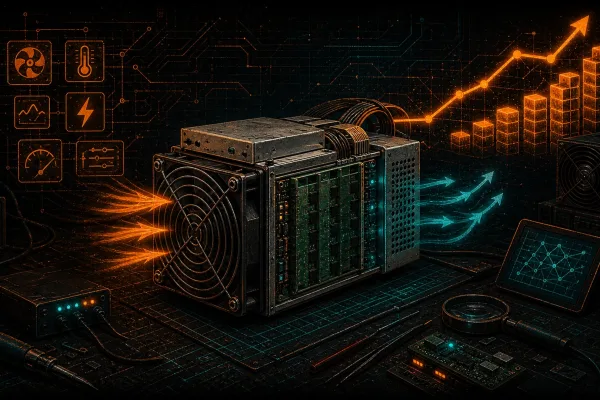
A quality colocation facility handles the infrastructure challenges that make home mining difficult at scale. This includes industrial-grade electrical infrastructure with redundant power feeds, purpose-built ventilation and cooling systems designed for the immense heat output of ASIC miners, physical security with access control and monitoring, network connectivity with low-latency uplinks, and professional on-site technicians for monitoring and basic maintenance.
For Canadian miners, Quebec stands out as a premier colocation jurisdiction. Hydroelectric power keeps electricity costs competitive, the cold climate reduces cooling expenses for much of the year, and the regulatory environment is well-established. D-Central Technologies operates its hosting facility in Montreal, Quebec, providing miners with access to this advantageous combination of affordable hydro power, cold-climate cooling, and hands-on technical expertise.
Colocation Costs: Transparent and Predictable
With colocation, your costs are straightforward. You pay for the hardware upfront — a new-generation ASIC miner like the Antminer S21 or Whatsminer M60 series represents a significant but transparent investment. Then you pay a monthly hosting fee based on your power consumption. That is it. No hidden maintenance surcharges, no diminishing contract returns, no mystery fees.
This transparency allows you to run real profitability projections. You know your hashrate, your power consumption, your hosting rate, and the current network difficulty. You can model scenarios, plan for difficulty increases, and make rational decisions about when to expand, hold, or sell. Cloud mining gives you none of this clarity.
Head-to-Head Comparison
| Factor | Cloud Mining | Colocation |
|---|---|---|
| Hardware Ownership | None — you rent hashrate | Full ownership of ASIC miners |
| Pool Selection | Provider chooses (centralizing) | You choose (decentralizing) |
| Upfront Cost | Low (contract purchase) | Higher (hardware purchase) |
| Ongoing Costs | Hidden fees, increasing maintenance | Transparent kWh hosting rate |
| Scam Risk | Extremely high | Low (you own physical assets) |
| Resale Value | Zero — contracts expire worthless | Hardware retains secondary market value |
| Verification | Cannot verify hardware exists | Can visit facility, audit machines |
| Sovereignty | Zero control | Full control over your hashrate |
| Scalability | Limited to contract tiers | Add machines as budget allows |
| Exit Strategy | Locked into contract terms | Sell hardware or relocate anytime |
The Third Option: Home Mining
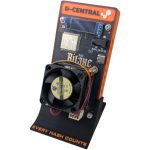
Before choosing between cloud mining and colocation, every Bitcoiner should consider a third path: mining at home. The open-source mining revolution has made home mining more accessible than ever. Devices like the Bitaxe solo miners let you run real SHA-256 hashrate from your desk, contributing to network decentralization while taking a shot at solo-mining a full block reward of 3.125 BTC.
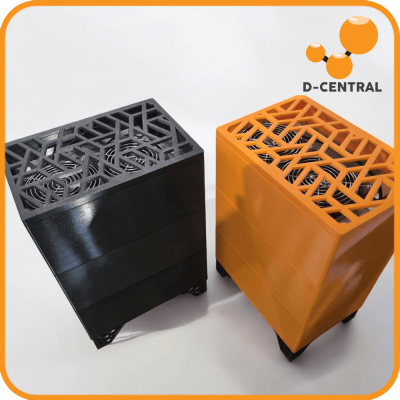
For larger operations, D-Central’s Bitcoin Space Heaters convert full-size ASIC miners into dual-purpose home heating units, turning mining heat into a feature rather than a problem. In cold Canadian winters, your miner heats your home while stacking sats. That is mining efficiency measured in both hashrate and BTUs.
Home mining is not a replacement for colocation at scale, but it is the most sovereign form of mining that exists. No third-party facility, no hosting fees, no counterparty risk. If you can manage the noise and heat, home mining should be part of every Bitcoiner’s hashrate strategy.
How to Evaluate a Colocation Provider
If you decide that colocation is right for your scale, choosing the right facility is critical. Not all hosting providers are created equal, and the Bitcoin mining hosting space has its own share of operators who overpromise and underdeliver. Here is what to look for.
Power Transparency
The hosting rate should be clearly stated as a per-kilowatt-hour price with no hidden surcharges. Ask about power delivery guarantees, uptime SLAs, and what happens during grid disruptions. A facility running on hydroelectric power in a cold climate — like Quebec — has structural advantages over facilities dependent on fossil fuels in hot regions.
Physical Access and Verification
You should be able to visit the facility and see your machines. Any provider that discourages or prevents physical verification is a red flag. Legitimate colocation operators welcome site visits because they have nothing to hide.
Technical Support and Monitoring
ASICs fail. Hashboards degrade, fans die, control boards glitch. A good colocation provider offers monitoring and basic maintenance — reboots, fan replacements, firmware updates — as part of the service. D-Central’s colocation facility in Quebec combines hosting with access to one of the most experienced ASIC repair teams in North America, meaning your downtime stays minimal and your machines stay hashing.
Contract Flexibility
Avoid providers that lock you into multi-year contracts with punitive exit clauses. The mining industry moves fast — new hardware generations, difficulty shifts, and market cycles all affect the calculus. You need the flexibility to scale up, scale down, or exit without losing your shirt.
The Bigger Picture: Why It Matters
This is not just a question about profitability — it is a question about what kind of Bitcoin network we are building. Every miner who opts for cloud mining is outsourcing their sovereignty to an opaque operator who concentrates hashrate. Every miner who owns their hardware and chooses their pool is strengthening the decentralization that makes Bitcoin censorship-resistant.
The cypherpunk ethos that birthed Bitcoin was never about convenience. It was about self-sovereignty, verification over trust, and individual empowerment through technology. Cloud mining is the antithesis of this vision. It recreates the custodial, trust-dependent model that Bitcoin was designed to dismantle.
Colocation is not perfect — you are still trusting a facility with the physical custody of your hardware. But the critical difference is that you retain ownership, control, and optionality. If the relationship sours, you retrieve your machines. You cannot retrieve hashrate from a cloud mining contract.
Getting Started with Colocation
If you are ready to move beyond cloud mining fantasies and deploy real hashrate, here is the practical path forward.
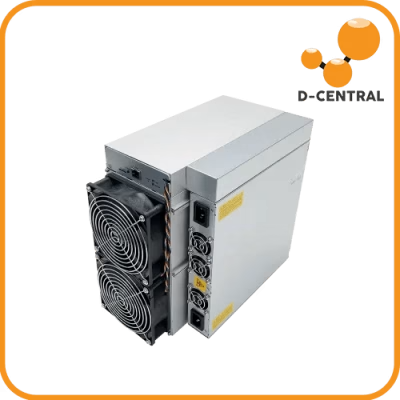
First, select your hardware. Current-generation ASICs from Bitmain (Antminer S21 series) and MicroBT (Whatsminer M60 series) offer the best joules-per-terahash efficiency. D-Central stocks a range of new and refurbished miners with quality control testing before delivery.
Second, choose a hosting facility with transparent pricing, a proven track record, and a location that gives you structural advantages. Quebec’s hydroelectric grid and cold climate make it one of the best mining jurisdictions in the world.
Third, point your hashrate at a pool that aligns with your values. If decentralization matters to you — and it should — consider pools that promote hashrate distribution rather than concentration.
Fourth, monitor your operation. Track your hashrate, uptime, and earnings daily. Adjust your strategy as difficulty changes and new hardware becomes available.
Frequently Asked Questions
Is cloud mining ever legitimate?
A small number of cloud mining services have operated legitimately, but they are the exception, not the rule. Even legitimate cloud mining services rarely deliver returns that justify the cost compared to simply buying Bitcoin. The fundamental problem remains: you do not own the hardware, you cannot verify it exists, and you have zero control over pool selection or operations. For these reasons, we do not recommend cloud mining regardless of the provider’s claimed legitimacy.
How much does it cost to start with mining colocation?
Your primary cost is the ASIC miner itself. A current-generation machine like the Antminer S21 ranges from a few thousand dollars depending on the model and market conditions. On top of that, you pay a monthly hosting fee based on power consumption, typically quoted as a cents-per-kilowatt-hour rate. Total startup costs vary depending on how many machines you deploy, but even a single-unit colocation setup gives you real hardware ownership and real hashrate on the network.
What happens to my hardware if the colocation facility closes?
With a reputable colocation provider, your hardware remains your property. If the facility ceases operations, you are entitled to retrieve your equipment and either relocate it to another facility, run it at home, or sell it on the secondary market. This is one of the most important advantages of colocation over cloud mining — your investment is not locked in a contract that can evaporate overnight.
Why is Quebec a good location for Bitcoin mining colocation?
Quebec offers three structural advantages for mining. First, the province generates abundant hydroelectric power, keeping electricity rates competitive. Second, the cold climate significantly reduces cooling costs for ASIC mining operations, especially during the long winter months. Third, Canada provides regulatory stability and strong property rights, meaning your mining hardware is legally protected. D-Central operates its hosting facility at 1325 Rue Bergar, Laval, Quebec, giving miners access to all three advantages.
Can I start mining at home instead of using colocation?
Absolutely. Home mining is the most sovereign form of Bitcoin mining. Open-source devices like the Bitaxe allow you to solo mine from your desk with minimal noise and power consumption. For larger-scale home mining, Bitcoin Space Heaters integrate full ASIC miners into heating enclosures that dual-purpose as home heaters. If you can handle the noise level and have adequate electrical capacity, home mining eliminates all counterparty risk and keeps you in full control.
What is the current Bitcoin block reward and network hashrate?
As of early 2026, the Bitcoin block reward is 3.125 BTC following the April 2024 halving. The network hashrate exceeds 800 EH/s (exahashes per second), and mining difficulty sits above 110 trillion. These figures mean that mining is more competitive than ever, making hardware efficiency, low electricity costs, and proper facility infrastructure more important than at any previous point in Bitcoin’s history.
How does colocation support Bitcoin decentralization?
When you own your mining hardware through colocation, you choose which mining pool receives your hashrate. This means you can support smaller, independent pools rather than feeding hashrate to the largest centralized pools. Distributing hashrate across many pools is essential for Bitcoin’s censorship resistance. Cloud mining removes this choice entirely — the provider directs all hashrate wherever they please, typically to whichever pool pays them the best kickback.