Description
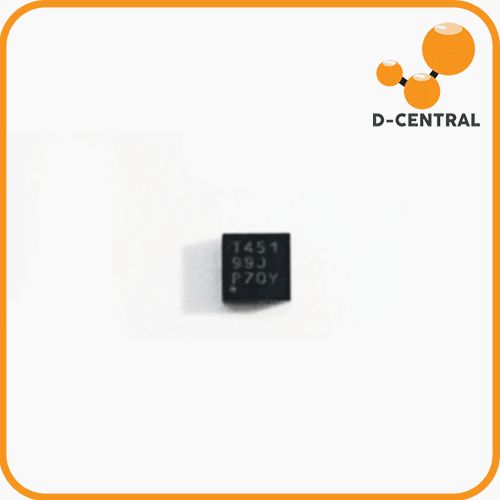
T451 Temperature Sensor Chip (TMP451AIDQFR) for ASIC Miner Hashboards
The T451 temperature sensor antminer hashboard is a reliable choice for Bitcoin mining operations.
The T451 is a high-accuracy digital temperature sensor chip used on ASIC miner hashboards to monitor operating temperatures in real time. Also known by its full part number TMP451AIDQFR, this chip is a critical component in the thermal management system of Bitcoin and Litecoin mining hardware. When the T451 fails, the miner cannot accurately read hashboard temperatures, leading to shutdowns, errors, or potentially damaging overheating.
Key Specifications
- Part Number: TMP451AIDQFR (marking: T451)
- Type: Digital temperature sensor with I2C/SMBus interface
- Supply Voltage: 1.7V to 3.6V
- Temperature Range: -40 C to +127 C
- Accuracy: +/- 1 C (typical)
- Resolution: Up to 12-bit
- Package: SOT-23-6
Compatible Mining Hardware
The T451 temperature sensor is used on hashboards for the following ASIC miner models:
- Bitmain Antminer: S9, T9, S11, S17, S17 Pro, T17, T17+, L3+, L7, Z15
This chip is one of several temperature sensor types used across Antminer hashboards. Other common temperature sensors include the TMP75, NCT218, S75, and LM75A. Always verify which sensor your specific hashboard uses before ordering replacements.
When You Need This Part
Temperature sensor failure is a common cause of hashboard errors during ASIC repair. When the T451 chip is damaged or non-functional, the hashboard will report incorrect temperature readings, often displaying 0 degrees or wildly inaccurate values. This causes the miner control board to either shut down the hashboard for safety or fail to regulate fan speeds properly.
Symptoms of a failed T451 include:
- Temperature reading shows 0 or abnormal values in the miner dashboard
- Hashboard fails temperature check during startup diagnostics
- Miner reports temperature sensor error codes
- Individual hashboard shuts down while others operate normally
Replacing the T451 requires surface-mount soldering skills and a hot air rework station. Apply no-clean flux, heat the failed chip at approximately 400 C, remove with tweezers, then align and solder the replacement chip.


Reviews
There are no reviews yet.