Understanding Methane Emissions
Methane is a greenhouse gas that plays a unique role in the climate system. While it is less prevalent in the atmosphere than carbon dioxide, its warming effect is substantially more potent. Over a 20-year period, methane’s impact on global warming is estimated to be 84 times greater than that of carbon dioxide. This potency makes methane a significant focus for those concerned with climate change.Sources of Methane
Methane emissions originate from a variety of sources, each contributing to the overall presence of this gas in the atmosphere. Key sources include:- Agriculture: Livestock digestion, rice paddies, and manure management are significant contributors to agricultural methane emissions.
- Oil and Gas: Methane is often released during the extraction, processing, and transportation of fossil fuels.
- Landfills: The decomposition of organic waste in landfills produces methane as a byproduct.
- Natural Sources: Wetlands, termites, and other natural processes also contribute to methane emissions. Understanding these sources is essential for developing targeted strategies to reduce methane’s presence in the atmosphere.
The Neglected Problem
Despite its potency and the diversity of its sources, methane has often been overshadowed by carbon dioxide in climate discussions and investments. The focus on carbon dioxide has led to a relative neglect of methane mitigation in climate tech investments. Out of every $1 spent on climate tech, only 2 cents are directed toward methane mitigation. This imbalance reflects a broader challenge in aligning investment priorities with the multifaceted nature of climate issues. For those who see greenhouse gases as a pressing concern, the lack of emphasis on methane represents a missed opportunity to address a key aspect of environmental stewardship.Bitcoin Mining and Methane Mitigation
Bitcoin mining is the process by which new bitcoins are created and transactions are added to the public ledger, known as the blockchain. It involves solving many mathematical problems using specialized hardware, a process that requires significant energy consumption. The energy-intensive nature of Bitcoin mining has often been a point of contention, leading to debates about its environmental impact. However, the way this energy is sourced and utilized can make a substantial difference in its overall environmental footprint.Methane to Bitcoin: A Novel Approach
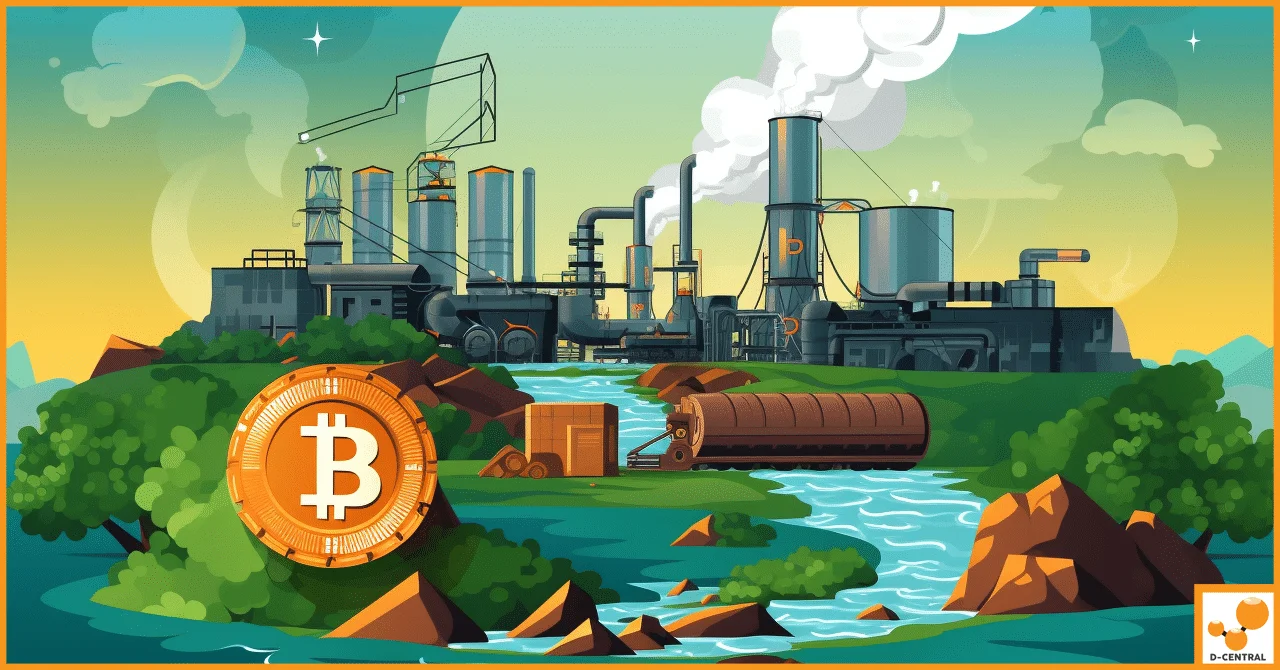
The innovative connection between Bitcoin mining and methane mitigation represents a groundbreaking shift in how we view both cryptocurrency and environmental stewardship. By utilizing vented methane gas—a harmful greenhouse gas—as a fuel source for Bitcoin mining, a once-wasted resource is transformed into valuable energy. This approach not only reduces methane emissions but also creates a sustainable energy model for Bitcoin mining. The synergy between Bitcoin and methane mitigation is a prime example of how technology can be harnessed for positive environmental impact, turning challenges into opportunities.Real-World Examples: Pioneering Solutions
Several companies are leading the way in this exciting intersection of Bitcoin and methane mitigation:- Nodal Power: Specializing in converting waste gas into energy, Nodal Power has embraced Bitcoin mining as a viable application for its technology, turning landfill gas into a resource for cryptocurrency creation.
- Vespene Energy: With a focus on sustainable energy solutions, Vespene Energy is exploring the potential of landfill-gas-powered Bitcoin mining, demonstrating the real-world feasibility of this innovative approach. These case studies illustrate the practical implementation of methane-to-Bitcoin mining, showcasing the tangible benefits and the potential for scalability. By aligning environmental goals with technological innovation, companies like Nodal Power and Vespene Energy are pioneering a new path toward responsible cryptocurrency mining and methane emission reduction.
Taking Climate Action with Bitcoin
Bitcoin’s environmental impact is often misunderstood, overshadowed by concerns about its energy consumption. However, a closer examination reveals unique attributes that position Bitcoin as a valuable tool in the fight against climate change. One of Bitcoin’s key environmental merits is its location-agnostic nature. Unlike traditional industries that require proximity to specific resources or infrastructure, Bitcoin mining can be conducted anywhere, including remote or otherwise unusable locations. This flexibility allows for the utilization of stranded energy sources, such as vented methane gas, transforming them into productive assets. By tapping into these overlooked resources, Bitcoin mining can contribute to a more sustainable and efficient energy landscape.The Eureka Moment
Our exploration of Bitcoin’s environmental potential led to a profound realization that changed our perspective on both cryptocurrency and climate action. While researching methane mitigation technologies, we stumbled upon the unexpected synergy between Bitcoin mining and landfill gas. This discovery was a eureka moment, illuminating a novel approach to reducing methane emissions. By harnessing landfill gas for Bitcoin mining, a once-neglected problem was transformed into a viable solution. This realization underscored the importance of open-minded inquiry and the potential for innovative thinking to uncover unexpected paths to environmental stewardship. It resonated with our commitment at D-Central to explore creative solutions and align our services with market demands.Emission Reduction Impact: The Numbers
The impact of Bitcoin mining using vented methane gas goes beyond mere novelty; it represents a significant advancement in emission reduction efforts. By converting harmful methane emissions into energy for Bitcoin mining, this approach can mitigate more emissions than many traditional financial instruments. For example, a fund that finances the deployment of infrastructure into Bitcoin mining using landfill gas could be 65 times more emission-reducing than solar installations. This remarkable efficiency makes Bitcoin mining with vented methane gas a serious lever in the quest to reduce greenhouse gas emissions. It shows the transformative power of technology and how Bitcoin can be leveraged for meaningful climate action.The Broader Context
The challenge of reducing methane emissions is not confined to any single region or industry. It is a global concern that requires concerted efforts and collaboration across borders and sectors. Governments, organizations, and businesses are increasingly recognizing the importance of addressing methane emissions as part of a comprehensive climate strategy. International agreements, regulations, and voluntary commitments are driving progress, fostering innovation, and encouraging responsible practices.Economic and Health Benefits
Beyond the immediate environmental impact, reducing methane emissions offers broader economic and health benefits. By harnessing methane for energy production, communities can tap into a previously wasted resource, creating new economic opportunities and enhancing energy security. The reduction of methane emissions also has direct health implications, as methane contributes to air pollution and associated health risks. By addressing methane emissions, we at D-Central are not only contributing to climate action but also supporting broader societal well-being, reflecting our commitment to responsible business practices that extend beyond our core industry focus.Comparison with Other Technologies
The innovative approach of using Bitcoin mining for methane mitigation stands out among various technologies and strategies aimed at reducing methane emissions. Traditional methane removal technologies often focus on capturing and storing the gas, while Bitcoin mining offers a unique opportunity to convert methane into valuable energy. Compared to high-risk technologies that may only reduce emissions post-2030, Bitcoin mining with vented methane gas presents a low-risk, immediate solution. It complements other methane mitigation efforts, adding a new dimension to the toolkit of strategies available to address this complex issue.The CH4 Capital Fund
CH4 Capital is a pioneering fund that embodies the innovative intersection of Bitcoin mining and methane mitigation. By financing the deployment of infrastructure into Bitcoin mining using landfill gas, CH4 Capital is turning a once-wasted resource into a valuable asset. This unique approach not only reduces harmful methane emissions but also contributes to a sustainable energy model for Bitcoin mining. CH4 Capital’s investment strategy is centred on immediate impact and maximizing emissions reduced per dollar invested. Unlike traditional investment models that may focus on long-term, high-risk technologies, CH4 Capital prioritizes low-risk solutions that can measurably reduce emissions pre-2030. This focus on immediate results reflects a pragmatic and responsible approach to climate action. By optimizing investments for tangible, near-term benefits, CH4 Capital is setting a new standard for environmental stewardship in the financial sector.Conclusion
The exploration of Bitcoin’s role in mitigating methane emissions has unveiled a groundbreaking path toward environmental stewardship. Far from being merely a digital currency, Bitcoin has emerged as a vital tool in the fight against climate change. By harnessing vented methane gas for Bitcoin mining, we are transforming a harmful greenhouse gas into valuable energy, contributing to a sustainable and efficient energy landscape. The synergy between Bitcoin mining and methane mitigation represents a new path forward in our collective efforts to address climate challenges. Unlike high-risk, long-term solutions, Bitcoin mining with vented methane gas offers an immediate, tangible impact. It shows the transformative power of technology and how creative thinking can uncover unexpected solutions. We invite you to explore and support Bitcoin’s potential as a climate solution. Whether you are an investor, environmentalist, or simply curious about the intersection of technology and sustainability, there is a place for you in this exciting endeavour. Join us in embracing the innovative possibilities of Bitcoin mining for methane mitigation. Learn more about our services, solutions, and commitment to responsible environmental practices by visiting our website or contacting our team. Together, we can make a real difference.FAQ
What is methane and why is it a focus in climate change discussions? Methane is a greenhouse gas that, despite its less prevalent presence in the atmosphere than carbon dioxide, has a warming effect that’s 84 times greater over a 20-year period. Its sources are varied, ranging from agriculture to natural processes, making it a significant focus for those concerned with climate change. How is Bitcoin involved in mitigating methane emissions? Bitcoin’s energy-intensive mining process has been linked with the possibility of harnessing vented methane gas, turning what was once considered a problem into a chance for sustainable energy creation. Bitcoin mining can be accomplished with this otherwise wasted resource, thus reducing methane emissions. What companies are implementing methane-to-Bitcoin mining methods? Certain companies like Nodal Power and Vespene Energy are leading the way in the intersection of Bitcoin and methane mitigation, using technology to convert waste gas into energy for Bitcoin mining. What makes Bitcoin mining a compelling solution for climate action? Bitcoin’s environmental merits include its location-agnostic nature that allows for the utilization of stranded energy sources. Apart from that, mining Bitcoin using vented methane gas can mitigate more emissions than many traditional financial instruments, potentially being more emission-reducing than solar installations. What is the CH4 Capital Fund? CH4 Capital is a pioneering fund that exemplifies the innovative intersection of Bitcoin mining and methane mitigation. It finances the deployment of infrastructure into Bitcoin mining using landfill gas and focuses on immediate impact and maximizing emissions reduction per dollar invested.Related Reading
ASIC Troubleshooting Database
650+ error codes with step-by-step fixes. Diagnose and repair your miner.
Try the Calculator