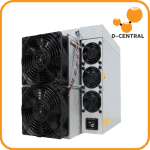
Electricity is the single largest ongoing expense in Bitcoin mining. Whether you are running a fleet of Antminer S21 Pros in an industrial facility or a single Bitaxe on your desk, your electricity rate determines whether you mine at a profit or a loss. After the April 2024 halving cut the block reward to 3.125 BTC, margins tightened dramatically, and where you plug in your miner matters more than ever.
This guide provides the definitive reference for Bitcoin mining electricity costs across every Canadian province and territory and the most important US states. We include current residential and industrial rates, break-even electricity prices for popular mining hardware, and actionable strategies to reduce your effective electricity cost — including the dual-purpose mining approach that can slash your net energy expense by 30-100%.
All rates are in local currency (CAD for Canada, USD for the United States) unless otherwise noted. Data reflects the most recent published utility rates as of early 2026.
Why Electricity Cost Is the Make-or-Break Factor in Mining
At current network conditions (February 2026: difficulty ~125.86T, BTC price ~$68,000 USD, hashprice ~$0.034/TH/day), a miner generates roughly $0.034 USD in gross revenue per terahash per day. That number is the same whether you mine in Hawaii or Quebec — the Bitcoin network does not care about your location. What differs wildly is how much of that revenue you keep after paying your electricity bill.
Consider the Antminer S21 Pro (234 TH/s, 3,510W, 15 J/TH):
- At $0.05/kWh: Monthly electricity cost = ~$126. Monthly revenue = ~$239. Profit: ~$113/month
- At $0.08/kWh: Monthly electricity cost = ~$202. Monthly revenue = ~$239. Profit: ~$37/month
- At $0.10/kWh: Monthly electricity cost = ~$253. Monthly revenue = ~$239. Loss: ~-$14/month
- At $0.15/kWh: Monthly electricity cost = ~$379. Monthly revenue = ~$239. Loss: ~-$140/month
That is a swing from a healthy $113 monthly profit to a devastating $140 monthly loss — purely based on where you plug in your machine. Over a year, the difference between $0.05/kWh and $0.15/kWh electricity is over $3,000 per miner. Scale that across ten machines, and location alone is worth $30,000 annually.
This is exactly why mining profitability hinges on electricity rates, and why serious miners treat their power contract as carefully as their hardware selection.
Break-Even Electricity Rates by Miner Model (February 2026)
The break-even electricity rate is the maximum rate at which a miner generates exactly zero profit — revenue equals electricity cost. If your rate is below this number, you are profitable. If it is above, you are mining at a loss. These figures assume current network conditions (BTC ~$68,000, difficulty ~125.86T) and will shift as Bitcoin price and difficulty change. Use D-Central’s mining profitability calculator and power cost calculator for real-time numbers.
| Miner Model | Hashrate | Power (W) | Efficiency (J/TH) | Break-Even Rate (USD/kWh) | Category |
|---|---|---|---|---|---|
| Antminer S21 XP Hyd | 473 TH/s | 5,676W | 12.0 J/TH | $0.095 | Top-tier ASIC |
| Antminer S21 Pro | 234 TH/s | 3,510W | 15.0 J/TH | $0.081 | High-end ASIC |
| Antminer S21 | 200 TH/s | 3,500W | 17.5 J/TH | $0.069 | Mid-high ASIC |
| Antminer S19 XP | 140 TH/s | 3,010W | 21.5 J/TH | $0.056 | Previous gen ASIC |
| Antminer S19 Pro | 110 TH/s | 3,250W | 29.5 J/TH | $0.041 | Previous gen ASIC |
| Antminer S9 | 13.5 TH/s | 1,350W | 100 J/TH | $0.012 | Legacy / space heater |
| Bitaxe Supra (BM1368) | 0.6 TH/s | 12W | 20 J/TH | ~$0.061 | Solo miner |
| Bitaxe Hex 701 | 4.2 TH/s | 90W | 21.4 J/TH | ~$0.057 | Solo miner |
| NerdQAxe | ~0.5 TH/s | ~15W | ~30 J/TH | ~$0.041 | Open-source miner |
Key takeaway: The most efficient modern ASICs (S21 XP Hyd, S21 Pro) can remain profitable at residential electricity rates in cheaper regions. Older hardware like the S19 Pro needs sub-$0.04/kWh power — essentially industrial or hosting rates. The venerable S9 is unprofitable for pure mining almost everywhere, which is why repurposing it as a Bitcoin space heater makes so much more sense: the heat value offsets the electricity cost entirely.
Note: Bitaxe and open-source miners are primarily used for solo mining (lottery mining). Their profitability is probabilistic — you are not earning steady daily revenue but rather taking a shot at a full block reward (3.125 BTC = ~$212,500). The break-even rates above assume pooled mining revenue for comparison purposes.
Canadian Electricity Rates for Bitcoin Mining: Every Province & Territory
Canada is one of the best countries in the world for Bitcoin mining. The combination of abundant hydroelectric power, cold climate (free cooling for most of the year), and a stable regulatory environment makes provinces like Quebec, Manitoba, and British Columbia extremely attractive. For a deeper look at the Canadian mining landscape, read our comprehensive guide to Bitcoin mining in Canada.
All rates below are in Canadian cents per kWh (CAD). To convert to USD, multiply by approximately 0.72 (at current exchange rates).
| Province / Territory | Avg. Residential Rate (cents/kWh CAD) | Approx. Industrial Rate (cents/kWh CAD) | S21 Pro Profitability | Mining Notes |
|---|---|---|---|---|
| Quebec | 7.8 | ~4.0-5.5 | Highly Profitable | Cheapest in North America. Hydro-powered. Some municipal moratoriums on large-scale mining. Residential mining unaffected. Cold climate = free cooling 8+ months. |
| Manitoba | 10.2 | ~4.5-5.6 | Highly Profitable | Manitoba Hydro rates among lowest on continent. No mining-specific restrictions. Extremely cold winters slash cooling costs. |
| British Columbia | 11.4 | ~5.5-7.0 | Profitable | BC Hydro tiered rates: Step 1 (11.47 cents) for first ~1,350 kWh, Step 2 (13.63 cents) above that. Industrial rates competitive. Mild climate on coast, cold interior. |
| New Brunswick | 13.9 | ~7.5-9.0 | Marginally Profitable | NB Power rates moderate. Mix of hydro, nuclear, and thermal. Cold winters help with cooling. |
| Ontario | 14.1 | ~8.0-10.0 | Tight Margins | Time-of-Use (TOU) pricing: off-peak as low as 7.6 cents (nights/weekends). Smart miners run heavy loads off-peak. Global Adjustment charges add costs for large consumers. |
| Newfoundland & Labrador | 14.8 | ~6.0-8.0 | Tight Margins | Churchill Falls hydro provides cheap industrial power. Residential rates higher due to distribution costs. Muskrat Falls adding capacity. |
| Nova Scotia | 18.3 | ~11.0-14.0 | Unprofitable | Highest rates in Atlantic Canada. Heavy coal/gas dependence. Only latest-gen ASICs viable at industrial rates. |
| Prince Edward Island | 18.4 | ~12.0-14.0 | Unprofitable | Imports most electricity. Small grid, limited capacity. Not recommended for mining operations. |
| Yukon | 18.7 | ~12.0-15.0 | Unprofitable | Small hydro system. Remote location increases costs. Extremely cold winters — miners double as heaters effectively. |
| Saskatchewan | 19.9 | ~10.0-13.0 | Unprofitable | SaskPower rates climbing. Gas and coal generation. Some industrial rates may work for S21 Pro class machines. |
| Alberta | 25.8 | ~8.0-15.0 | Unprofitable (residential) | Deregulated market — rates fluctuate wildly. Wholesale spot prices can dip below 5 cents at night. Sophisticated miners with real-time pricing can find windows. Industrial rates vary hugely by contract. |
| Nunavut | 35.4 | ~30.0-38.0 | Deeply Unprofitable | Diesel-generated. Extreme costs. Mining is not viable under any scenario at grid rates. |
| Northwest Territories | 41.0 | ~25.0-35.0 | Deeply Unprofitable | Diesel and small hydro mix. Highest rates in Canada. Off-grid solar/wind is the only viable mining power source. |
The Canadian Mining Sweet Spot: Quebec, Manitoba, and BC
These three hydroelectric provinces form the golden triangle of Canadian Bitcoin mining. Their advantages compound: cheap hydro power, cold climate, stable grid, and generally supportive (or at least tolerant) regulatory environments.
Quebec deserves special attention. At 7.8 cents/kWh CAD residential (~5.6 cents USD), it offers electricity cheaper than almost any US state. Industrial rates from Hydro-Quebec can drop to 4.0-5.5 cents CAD (2.9-4.0 cents USD). However, Quebec has a complicated history with large-scale crypto mining. In 2018, Hydro-Quebec initially welcomed miners, then imposed moratoriums as demand surged. As of 2026, some municipalities maintain moratoriums on new large-scale mining facilities, but residential and small-scale mining is unrestricted. If you are a home miner with a few machines, Quebec is paradise.
Manitoba is arguably the most underrated mining province. Manitoba Hydro rates are extremely low (10.2 cents CAD residential, ~4.5-5.6 cents industrial), there are no mining-specific restrictions, and Winnipeg has the coldest major-city winters in the world — your miners ARE your heating system for six months of the year.
British Columbia rounds out the trio with competitive BC Hydro rates. The tiered pricing structure means the first ~1,350 kWh per billing period costs 11.47 cents, and usage above that costs 13.63 cents. For miners running 24/7, most consumption falls in the higher tier, but the all-in blended rate is still very competitive by North American standards.
Ontario: The TOU Strategy
Ontario is a special case because of its Time-of-Use (TOU) pricing structure. Rates vary by time of day:
- Off-peak: 7.6 cents/kWh (nights, weekends, holidays)
- Mid-peak: 12.2 cents/kWh
- On-peak: 15.8 cents/kWh
Smart miners in Ontario use automation to ramp up hashrate during off-peak hours and throttle back during on-peak. With roughly 65% of weekly hours falling in off-peak or mid-peak windows, a strategically managed mining operation can achieve a blended rate closer to 9-10 cents/kWh — substantially better than the headline 14.1 cents average.
Alberta: The Wildcard
Alberta has a deregulated electricity market, which means rates fluctuate based on wholesale supply and demand. The 25.8 cents average residential rate is misleading because it includes periods of extreme price spikes. However, wholesale spot prices regularly dip below 5 cents/kWh during overnight hours and windy periods when wind generation floods the grid. Large mining operations with real-time pricing contracts and the infrastructure to curtail during price spikes can achieve effective rates well below the residential average — but this requires sophistication and capital.
US Electricity Rates for Bitcoin Mining: State-by-State Breakdown
The United States has enormous variation in electricity rates — from under 12 cents/kWh in the cheapest states to over 40 cents/kWh in Hawaii. Combined with a patchwork of state-level crypto regulations (some very friendly, others hostile), choosing the right state for mining operations is a critical strategic decision.
All rates below are in US cents per kWh.
The 20 Cheapest States for Bitcoin Mining
| Rank | State | Avg. Residential Rate (cents/kWh) | Est. Industrial Rate (cents/kWh) | S21 Pro Profitability | Key Notes |
|---|---|---|---|---|---|
| 1 | North Dakota | 11.93 | ~7.4 | Profitable | Cheapest residential rates in US. Abundant wind energy. Cold climate. Low population density. Crypto-neutral regulatory environment. |
| 2 | Idaho | 12.25 | ~6.5 | Profitable | Cheap hydroelectric power from Snake River dams. Low industrial rates. Rural areas have capacity for mining loads. |
| 3 | Nebraska | 12.52 | ~7.0 | Profitable | Public power state — all utilities are publicly owned. No income tax on individuals. Low-cost wind and hydro mix. |
| 4 | Louisiana | 12.74 | ~6.0 | Profitable | Historically cheapest state. Abundant natural gas keeps costs low. Industrial rates very competitive. Hot climate increases cooling costs. |
| 5 | Montana | 12.82 | ~6.5 | Profitable | Hydroelectric and wind. Low industrial rates. Cold climate benefits. Crypto-friendly regulations. |
| 6 | Utah | 13.07 | ~6.5-7.5 | Profitable | Low-cost coal and growing renewables. Dry climate aids cooling. Growing crypto economy. |
| 7 | Missouri | 13.12 | ~7.0 | Profitable | Ameren and Evergy provide competitive industrial rates. Nuclear and coal baseload. |
| 8 | Arkansas | 13.22 | ~6.5 | Profitable | Very low industrial rates. Enacted crypto-friendly mining rights legislation. Natural gas and hydro mix. |
| 9 | Oklahoma | 13.34 | ~6.0-7.0 | Profitable | Natural gas capital. Very competitive industrial rates. Wind energy growing rapidly. Crypto-mining legislation passed. |
| 10 | Tennessee | 13.47 | ~7.0-8.0 | Profitable | TVA provides relatively cheap power. Nuclear, hydro, and gas mix. Moderate climate. |
| 11 | Iowa | 13.55 | ~7.0 | Profitable | Over 60% wind generation. Some of cheapest wholesale power in US. Cold winters help cooling. |
| 12 | Kentucky | 13.70 | ~6.0-7.5 | Profitable | Coal-heavy but cheap. Tax incentives for mining equipment. Several large mining operations established. |
| 13 | South Dakota | 13.81 | ~7.5 | Profitable | No state income tax. Cheap hydroelectric from Missouri River dams. Cold climate benefits. |
| 14 | Washington | 13.85 | ~5.0-6.5 | Profitable | Cheapest industrial power in the US from Columbia River hydroelectric dams. Chelan County PUD among lowest rates nationally. Some counties have restricted mining due to grid strain. |
| 15 | Wyoming | 13.91 | ~7.0-8.0 | Profitable | Most crypto-friendly state in US. 30+ blockchain laws. No income tax. Sales tax exemptions for mining equipment. Low-cost wind and coal power. |
| 16 | Texas | 16.04 | ~4.5-8.0 | Profitable (industrial) / Tight (residential) | Deregulated market. ERCOT grid. Industrial miners can access wholesale rates as low as 4-5 cents. Demand response programs pay miners to curtail during peak grid stress. Hot summers increase cooling costs significantly. |
| 17 | Nevada | 14.20 | ~7.0-8.5 | Profitable | Growing solar capacity. Low industrial rates. Crypto-friendly regulatory environment. |
| 18 | Georgia | 14.42 | ~7.0-8.5 | Marginally Profitable | Nuclear and gas baseload from Georgia Power. Southern Company industrial rates competitive. |
| 19 | North Carolina | 14.64 | ~7.5-9.0 | Tight Margins | Duke Energy industrial rates moderate. Growing solar capacity. Nuclear baseload. |
| 20 | Mississippi | 15.33 | ~7.5-9.0 | Tight Margins | Natural gas generation. Industrial rates can be competitive. Hot climate adds cooling expense. |
The Most Expensive States for Bitcoin Mining
For context (and as a warning), here are the states where residential Bitcoin mining is almost certainly unprofitable at grid rates, even with the most efficient hardware available:
| State | Avg. Residential Rate (cents/kWh) | S21 Pro Viable? | Why So Expensive |
|---|---|---|---|
| Hawaii | 40.20 | No | Imported petroleum. Island grid. No mainland interconnection. |
| Massachusetts | 31.22 | No | High transmission costs. ISO-NE market. Aggressive renewable mandates. |
| California | 31.91 | No | Tiered rates, wildfire surcharges, aggressive decarbonization policies. Industrial rates also high. |
| Rhode Island | 30.82 | No | Small grid, ISO-NE market. High transmission and distribution costs. |
| Connecticut | 27.02 | No | ISO-NE market premium. High distribution charges. |
| New Hampshire | 27.37 | No | ISO-NE market. Limited generation capacity. |
| Maine | 27.85 | No | ISO-NE market. Rapid rate increases (+8.1% YoY). |
| New York | 26.49 | No | NYC/downstate rates very high. Upstate industrial hydro rates much lower. Moratorium on fossil-fuel-powered mining (2022). |
| Alaska | 26.18 | No | Remote diesel/gas generation. Isolated grid. High infrastructure costs. |
| Vermont | 24.17 | No | ISO-NE market. Small state, limited scale economies. |
Crypto-Friendly States: Regulations Matter Too
Low electricity costs are critical, but regulatory friendliness can make or break a mining operation. Here are the standout states from a policy perspective:
Wyoming is the undisputed leader in crypto-friendly legislation, having passed over 30 blockchain-related laws. No personal or corporate income tax. Sales tax exemptions for mining equipment purchases above certain thresholds. Wyoming was the first state to legally recognize DAOs and issue a state-backed stablecoin (Frontier/FRNT in 2025). Combined with 13.91 cents residential electricity and ample wind power, Wyoming is an outstanding choice for small-to-medium mining operations.
Texas offers the most dynamic opportunity for sophisticated miners. The deregulated ERCOT market means industrial operators can access wholesale electricity rates as low as 4-5 cents/kWh through power purchase agreements. Texas also pioneered demand response programs for miners: when the grid is stressed (summer heat waves, winter storms), miners voluntarily curtail operations and receive credits. In Q3 2025 alone, one major mining company earned $30.6 million in curtailment credits — essentially getting paid to not mine during peak demand. For large-scale operations, Texas is exceptionally attractive despite its 16 cents average residential rate.
Arkansas and Oklahoma both passed legislation protecting the rights of individuals and businesses to mine cryptocurrency, preventing discriminatory utility rates targeting miners, and creating favorable tax treatment for mining operations.
Kentucky offers tax incentives for cryptocurrency mining equipment and has attracted several major mining operations with its combination of low coal-fired electricity rates and supportive state government.
New York, on the opposite end, enacted a 2022 moratorium on new fossil-fuel-powered proof-of-work mining operations. While existing operations and those powered by renewable energy are exempt, this makes New York hostile territory for new mining ventures despite upstate areas having cheap hydro power.
Residential vs. Industrial Electricity Rates: What Miners Need to Know
One of the most common mistakes new miners make is assuming the residential rate on their utility bill is the only rate available. In reality, there is a massive gap between what a homeowner pays and what an industrial customer pays for the same kilowatt-hour.
| Rate Category | Typical Range (USD) | Who Qualifies | Mining Implications |
|---|---|---|---|
| Residential | $0.11-0.32/kWh | Homeowners, renters | 1-5 machines typical. Best for efficient miners (S21 class) in cheap states/provinces. 120V home mining is the starting point. |
| Small Commercial | $0.08-0.20/kWh | Small businesses, farms | Requires commercial meter/account. 5-20 machines. May require zoning approval. |
| Industrial / Large Power | $0.04-0.10/kWh | Large consumers (100kW+) | Dedicated substations. 50+ machines. Demand charges apply. Requires significant infrastructure investment. |
| Hosting / Colocation | $0.06-0.09/kWh (all-in) | Anyone (send your miners) | No infrastructure needed. All-in rate includes power, cooling, maintenance, internet. Trade control for convenience. |
For most home miners, the residential rate is your rate. But there are legitimate strategies to access lower rates:
- Agricultural rate: If you have a farm or rural property, agricultural electricity rates are often 20-40% lower than residential. Some miners have relocated to rural properties specifically for this advantage.
- Separate meter: In some jurisdictions, you can install a separate electrical panel and meter for your mining operation, potentially qualifying for a different rate class.
- Hosting: If your local rates are too high, consider sending your miners to a hosting facility in a low-cost region. D-Central offers mining hosting services from Canada.
- Community choice aggregation (CCA): In states like California and New York, CCAs can offer slightly lower rates than the incumbent utility.
Time-of-Use (TOU) Strategies for Miners
Many utilities across North America now offer Time-of-Use pricing, where electricity costs vary by time of day. This creates a significant opportunity for miners who can schedule their operations intelligently.
How TOU Works for Mining
Typical TOU rate structures have three tiers:
- Off-peak (nights, weekends): 30-50% cheaper than the flat rate
- Mid-peak (mornings, evenings): Close to the flat rate
- On-peak (afternoon, early evening): 50-100% more expensive than the flat rate
Strategy 1 — Full Curtailment: Run miners only during off-peak hours (typically 7 PM to 7 AM on weekdays, all day on weekends). This captures roughly 65-75% of available mining time at the lowest rate. You sacrifice 25-35% of potential hashtime but at dramatically lower cost per hash. Best for regions where on-peak rates are 2x or more of off-peak rates.
Strategy 2 — Throttle Down: Run miners at full power during off-peak, reduce hashrate (and power draw) by 30-50% during mid-peak, and shut down during on-peak. Modern ASIC firmware supports power limit adjustments. This maximizes the electricity-cost-weighted hashrate across the full day.
Strategy 3 — Smart Automation: Use a smart plug, mining management software, or a home automation system to automatically switch miners on and off based on real-time electricity prices. This is especially powerful in deregulated markets like Texas and Alberta where wholesale rates can swing from negative (yes, you get paid to use electricity) to $1+/kWh within hours.
Ontario Example: A miner running an S21 Pro 24/7 at the flat rate of 14.1 cents/kWh CAD pays ~$355/month in electricity. The same miner on TOU pricing, running only during off-peak (7.6 cents) and mid-peak (12.2 cents) and shutting down during on-peak (15.8 cents), achieves an effective blended rate of ~9.5 cents/kWh while running roughly 80% of the time. Monthly electricity cost drops to ~$196 — a saving of $159/month or $1,908/year per machine.
Renewable Energy Alternatives: Mine Off-Grid or Offset Grid Costs
For miners in expensive electricity regions — or anyone wanting to maximize long-term profitability — renewable energy is increasingly the answer. The math has tipped decisively in favor of solar, wind, and micro-hydro for mining operations, especially when you factor in 20-25 year panel lifetimes against ever-rising grid rates. Read our detailed solar Bitcoin mining guide for Canada for a complete walkthrough.
Solar Mining
A properly sized solar array with battery storage can deliver an effective electricity cost of $0.03-0.06/kWh over the system lifetime — cheaper than any grid rate in North America. Key considerations:
- Upfront cost: A system large enough to power an S21 Pro 24/7 (3.5 kW + battery storage for nighttime) costs $15,000-$25,000 installed.
- Payback period: 4-7 years depending on location and local grid rate being offset.
- Best locations: US Southwest (Arizona, Nevada, Texas), Southern BC, Southern Ontario, Prairies (Alberta, Saskatchewan).
- Hybrid approach: Size solar to cover daytime mining, use grid power at off-peak TOU rates for nighttime. This dramatically reduces solar system cost while still cutting effective electricity rate by 50%+.
Wind Power
Small wind turbines (5-20 kW) are viable for mining in wind-rich regions: Great Plains states (Texas, Oklahoma, Kansas, Iowa, Dakotas), Canadian prairies (Alberta, Saskatchewan, Manitoba), and coastal areas. Wind and mining are natural partners because wind generation is often highest at night when grid demand (and TOU rates) are lowest — meaning your turbine generates excess power precisely when you would otherwise pay the most.
Micro-Hydro
If you have a property with a creek or stream with sufficient head and flow, micro-hydro is the ultimate mining power source: consistent 24/7 generation, very low cost per kWh ($0.01-0.03/kWh amortized), and minimal maintenance. Even a 5 kW micro-hydro system can power one or two ASICs perpetually. This is particularly relevant in BC, Quebec, and the Pacific Northwest states.
The Dual-Purpose Advantage: How Heat Offset Slashes Your Effective Electricity Cost
Here is the mining insight that changes the entire electricity cost equation: every watt consumed by a Bitcoin miner is converted to heat. An Antminer S21 Pro drawing 3,510 watts produces exactly 3,510 watts of heat — the same as a 3.5 kW electric space heater. During the heating season, that heat is not wasted — it is heating your home or shop, directly replacing the electricity, gas, or oil you would otherwise burn for the same purpose.
This is the core philosophy behind D-Central’s Bitcoin Space Heaters. When you use a miner as a heater, the effective electricity cost for mining drops to zero because you were going to pay for that heat anyway.
How to Calculate Your Effective Mining Electricity Cost
The formula is simple:
Effective Mining Cost = Actual Electricity Cost – Value of Heat Produced
If your electricity rate is $0.12/kWh and your miner replaces an electric heater you would have run anyway, the effective cost of mining is $0.00/kWh. If your miner replaces a natural gas furnace, the offset is partial (gas is typically cheaper per BTU than electric heating), but it still dramatically reduces your effective mining cost.
Dual-Purpose Mining by Climate Zone
| Climate Zone | Heating Months | Heat Offset (%) | Effective Rate Reduction | Examples |
|---|---|---|---|---|
| Northern Canada / Alaska | 8-10 months | 67-83% | $0.12 to $0.02-0.04 | Manitoba, Quebec, NWT, Yukon, Alaska |
| Northern US / Southern Canada | 6-8 months | 50-67% | $0.12 to $0.04-0.06 | Minnesota, Wisconsin, Montana, Ontario, BC |
| Mid-latitude US | 4-6 months | 33-50% | $0.12 to $0.06-0.08 | Kentucky, Missouri, Virginia, Oregon |
| Southern US | 2-4 months | 17-33% | $0.12 to $0.08-0.10 | Texas, Georgia, Louisiana, Florida |
This is why some of the “expensive” provinces and states become viable mining locations when you factor in heat offset. A miner in Ontario paying 14.1 cents/kWh with 7 months of heating season has an effective annual mining cost closer to 7-8 cents/kWh — suddenly very competitive. A miner in Manitoba at 10.2 cents with 8+ months of heating drops to an effective 2-3 cents/kWh. That is cheaper than any industrial rate on the continent.
D-Central’s Bitcoin Space Heater lineup is engineered specifically for this use case. From the Antminer S9-based units (perfect for small rooms at 1,350W) to full-power S19 and S21-based heaters for workshops and garages, these are mining machines designed to integrate with your living space — purpose-built enclosures that manage noise and direct heat where you need it.
The Full Picture: Choosing Your Mining Location
Electricity cost alone does not tell the whole story. Here is a framework for evaluating any location for mining viability, whether you are choosing between provinces, states, or even rooms in your house:
| Factor | Weight | Why It Matters |
|---|---|---|
| Electricity rate ($/kWh) | 40% | Largest ongoing expense by far |
| Climate / cooling costs | 15% | Hot climates require cooling, adding 10-30% to electricity costs. Cold climates provide free cooling and heat offset value. |
| Heating offset potential | 15% | In cold climates, heat recovery can effectively zero out electricity cost for 6-10 months/year |
| Regulatory environment | 10% | Mining bans, moratoriums, hostile zoning, discriminatory utility rates |
| Grid reliability | 10% | Downtime = lost revenue. ERCOT (Texas) outages, rolling blackouts, and storm damage all affect uptime |
| Internet connectivity | 5% | Mining requires minimal bandwidth but high uptime. Rural areas may have reliability issues. |
| Tax environment | 5% | Equipment tax exemptions, income tax on mining revenue, electricity tax rates |
Side-by-Side Profitability Scenarios
To make the electricity cost impact concrete, here are profitability projections for the most popular miners at various electricity rates. All figures use February 2026 network conditions (BTC ~$68,000, difficulty ~125.86T, hashprice ~$0.034/TH/day).
Antminer S21 Pro (234 TH/s, 3,510W)
| Electricity Rate | Monthly Electricity Cost | Monthly Revenue | Monthly Profit/Loss | Typical Location |
|---|---|---|---|---|
| $0.04/kWh | $101 | $239 | +$138 | Quebec industrial, Texas PPA, Manitoba industrial |
| $0.06/kWh | $152 | $239 | +$87 | Washington industrial, hosting facilities |
| $0.08/kWh | $202 | $239 | +$37 | BC residential (CAD equiv.), several US states industrial |
| $0.10/kWh | $253 | $239 | -$14 | Ontario residential, mid-tier US states |
| $0.12/kWh | $303 | $239 | -$64 | US average residential |
| $0.15/kWh | $379 | $239 | -$140 | Most US residential, Nova Scotia, PEI |
| $0.20/kWh | $505 | $239 | -$266 | Alberta, California, Northeast US |
Antminer S21 (200 TH/s, 3,500W)
| Electricity Rate | Monthly Electricity Cost | Monthly Revenue | Monthly Profit/Loss |
|---|---|---|---|
| $0.04/kWh | $101 | $204 | +$103 |
| $0.06/kWh | $151 | $204 | +$53 |
| $0.08/kWh | $202 | $204 | +$2 |
| $0.10/kWh | $252 | $204 | -$48 |
| $0.12/kWh | $302 | $204 | -$98 |
Antminer S19 Pro (110 TH/s, 3,250W)
| Electricity Rate | Monthly Electricity Cost | Monthly Revenue | Monthly Profit/Loss |
|---|---|---|---|
| $0.04/kWh | $94 | $112 | +$18 |
| $0.05/kWh | $117 | $112 | -$5 |
| $0.06/kWh | $140 | $112 | -$28 |
| $0.08/kWh | $187 | $112 | -$75 |
The S19 Pro is effectively obsolete for pure profitability mining at any rate above ~$0.04/kWh. However, it remains an excellent candidate for space heater conversions where the heat offset brings the effective electricity cost to zero.
Strategies to Reduce Your Mining Electricity Cost
Regardless of your location, there are actionable strategies every miner should consider to lower their effective electricity cost:
1. Switch to Time-of-Use Pricing
If your utility offers TOU rates, switch immediately. Run miners during off-peak hours and curtail during on-peak. Potential savings: 20-40%.
2. Negotiate Your Rate
In deregulated markets (Texas, Alberta, parts of Ontario), you can shop for electricity providers and negotiate rates. Adding consistent baseload demand (which miners represent) can be attractive to power retailers. Ask about industrial or large-user rates even for residential-scale operations.
3. Use Miners as Heaters
This cannot be overstated. If you live anywhere with a heating season, your miner’s heat output is money. Replace electric space heaters, supplement gas/oil heating, or heat a workshop, garage, or greenhouse. This approach effectively cuts your mining electricity cost by 30-100% depending on your heating season length. See our Bitcoin Space Heater collection.
4. Install Solar Panels
Even a partial solar offset dramatically improves mining economics. A 5 kW solar array in a good location generates 6,000-8,000 kWh/year — enough to cover roughly 20-25% of an S21 Pro’s annual consumption. Lifetime solar electricity costs $0.03-0.06/kWh. Refer to our solar mining guide for detailed calculations.
5. Upgrade to Efficient Hardware
The difference between a 30 J/TH miner (S19 Pro) and a 15 J/TH miner (S21 Pro) means the S21 Pro produces twice the hashrate per watt consumed. At the same electricity rate, the S21 Pro’s break-even rate is double that of the S19 Pro. If you are mining at residential rates, hardware efficiency is your most important specification. See our 2026 ASIC comparison and buyer’s guide.
6. Consider Hosting
If your local rate is above the break-even threshold for your hardware, sending your machines to a hosting facility in a cheap-power region is better than mining at a loss at home. All-in hosting rates of $0.06-0.09/kWh beat residential rates in most of North America.
7. Mine Smarter with Demand Response
In Texas (ERCOT) and some other deregulated markets, you can participate in demand response programs that pay you to curtail mining during peak grid stress events. This effectively lowers your average electricity cost because you avoid the most expensive hours and get paid for doing so.
Frequently Asked Questions
What is the cheapest electricity rate for Bitcoin mining in North America?
Quebec, Canada offers the cheapest grid electricity in North America at approximately 7.8 cents CAD/kWh (~5.6 cents USD) for residential and 4.0-5.5 cents CAD for industrial. In the US, Washington state‘s public utility districts (like Chelan County PUD) offer industrial rates as low as 5 cents/kWh. Texas wholesale PPA rates can drop to 4-5 cents/kWh for large consumers.
What electricity rate do I need to mine Bitcoin profitably in 2026?
With an Antminer S21 Pro (15 J/TH), you need below approximately $0.08/kWh to be profitable at current conditions (BTC ~$68,000). With an S21 (17.5 J/TH), below ~$0.069/kWh. With older hardware like the S19 Pro (29.5 J/TH), you need sub-$0.04/kWh, which is essentially only available at industrial rates or through hosting. These thresholds change daily with Bitcoin price and network difficulty.
Is it worth mining Bitcoin at home with residential electricity?
Yes, if you live in a low-cost region (Quebec, Manitoba, BC, or US states with sub-13 cents rates) and use efficient hardware (S21 Pro class). It becomes even more worthwhile if you use the miner’s heat output during winter, effectively reducing or eliminating your electricity cost. Start with our 120V home mining guide.
How much electricity does a Bitcoin miner use per month?
An Antminer S21 Pro (3,510W) running 24/7 consumes approximately 2,527 kWh per month. An S21 (3,500W) uses ~2,520 kWh. An S19 Pro (3,250W) uses ~2,340 kWh. A Bitaxe Supra uses only ~8.6 kWh per month — about the same as leaving a lamp on. For perspective, the average US household consumes ~886 kWh/month and the average Canadian household uses ~750 kWh/month.
Can I use solar panels to mine Bitcoin?
Absolutely. Solar is increasingly one of the best power sources for mining because the lifetime cost per kWh ($0.03-0.06) undercuts almost every grid rate. A 10 kW solar array with battery storage can power a full Antminer 24/7 in sunny regions. Even partial solar offset (daytime only, grid at night) dramatically improves mining economics. See our solar Bitcoin mining guide.
How does the Bitcoin halving affect mining electricity requirements?
Each halving cuts the block reward in half, which means miners earn half the BTC for the same electricity consumption. After the April 2024 halving (6.25 BTC to 3.125 BTC), the break-even electricity rate for every miner model was cut roughly in half (adjusted by price changes). This is why efficient hardware and cheap power are more critical after each halving. Miners who were profitable at $0.08/kWh before the halving now need sub-$0.04/kWh with the same hardware. Read more in our profitability analysis.
What is the most energy-efficient Bitcoin miner in 2026?
The Antminer S21 XP Hyd leads at approximately 12 J/TH, followed by the S21 Pro at 15 J/TH and the standard S21 at 17.5 J/TH. Among open-source miners, the Bitaxe Supra with BM1368 chip achieves approximately 20 J/TH. Greater efficiency directly translates to a higher break-even electricity rate — the S21 XP Hyd can tolerate electricity rates nearly 8x higher than an S9. See our full best Bitcoin miners comparison.
Should I move to mine Bitcoin at cheaper electricity rates?
For small-scale home mining (1-5 machines), relocation rarely makes economic sense unless you are already considering a move. Instead, optimize your current location: switch to TOU pricing, install solar, use heat offset, and choose efficient hardware. For medium-to-large operations (10+ machines), location selection becomes a primary strategic decision where electricity cost differences can translate to tens of thousands of dollars annually.
How do Canadian electricity rates compare to US rates for mining?
Canada’s cheapest provinces (Quebec, Manitoba) offer rates lower than any US state when converted to USD. Quebec at 7.8 cents CAD = ~5.6 cents USD, which is cheaper than North Dakota’s 11.93 cents USD residential rate. However, the cheapest US industrial rates (Texas wholesale PPAs at 4-5 cents USD, Washington hydro at 5-6 cents USD) rival Canadian industrial rates. For home miners, Canada’s hydro provinces are the clear winners.
Does using a Bitcoin miner as a heater really save money?
Yes, and the math is straightforward. An electric space heater converts 100% of electricity to heat. A Bitcoin miner also converts 100% of electricity to heat, but produces BTC in the process. If you were going to run a 1,500W electric heater anyway, replacing it with a 1,500W mining rig (like an Antminer S9 space heater) means you get the same heat plus whatever Bitcoin the miner produces. The mining revenue is pure profit because the electricity cost is covered by the heating budget you already had.
What happens if electricity rates increase? How do I protect my mining profitability?
US electricity rates increased 5.4% in 2025, and similar increases are expected in 2026. To protect against rising rates: lock in fixed-rate electricity contracts if available, invest in solar to hedge against grid price increases, upgrade to more efficient hardware (a 15 J/TH miner has twice the rate headroom of a 30 J/TH miner), and maximize heat offset value during colder months. Also monitor Bitcoin price and difficulty — a rising BTC price offsets rising electricity costs by increasing the break-even rate threshold.
Conclusion: Location Is a Mining Strategy
The data is clear: electricity cost is the primary determinant of mining profitability in 2026. The difference between the cheapest and most expensive jurisdictions in North America represents a 5-8x spread in electricity rates. A miner generating $113/month profit in Quebec would lose $140/month in California with the same hardware. Location is not just a convenience factor — it is a core mining strategy.
For Canadian miners, the path is clear: Quebec, Manitoba, and British Columbia offer the best residential rates on the continent, and when combined with cold-climate heat offset, effective mining costs can drop below $0.03/kWh — competitive with the cheapest industrial power anywhere in the world.
For US miners, the landscape is more complex. States like North Dakota, Idaho, and Louisiana offer the cheapest residential rates, while Texas and Washington provide the best industrial rates through wholesale markets and hydroelectric power. Wyoming and Arkansas lead in regulatory friendliness, offering a stable legal environment for mining operations.
Regardless of where you mine, the strategies in this guide — TOU pricing, solar power, heat recovery, efficient hardware, and hosting — can shift your effective electricity cost by 30-100%. The most successful home miners treat electricity as a problem to be engineered, not just an expense to be paid.
Ready to start mining? Use D-Central’s mining profitability calculator to model your exact situation, explore our 2026 miner comparison guide to choose the right hardware, and check out our Bitcoin Space Heater collection to turn your electricity bill into a dual-purpose investment.
What is the cheapest electricity rate for Bitcoin mining in North America?
Quebec, Canada offers the cheapest grid electricity in North America at approximately 7.8 cents CAD/kWh (~5.6 cents USD) for residential and 4.0-5.5 cents CAD for industrial. In the US, Washington state’s public utility districts (like Chelan County PUD) offer industrial rates as low as 5 cents/kWh. Texas wholesale PPA rates can drop to 4-5 cents/kWh for large consumers.
What electricity rate do I need to mine Bitcoin profitably in 2026?
With an Antminer S21 Pro (15 J/TH), you need below approximately $0.08/kWh to be profitable at current conditions (BTC ~$68,000). With an S21 (17.5 J/TH), below ~$0.069/kWh. With older hardware like the S19 Pro (29.5 J/TH), you need sub-$0.04/kWh, which is essentially only available at industrial rates or through hosting. These thresholds change daily with Bitcoin price and network difficulty.
Is it worth mining Bitcoin at home with residential electricity?
Yes, if you live in a low-cost region (Quebec, Manitoba, BC, or US states with sub-13 cents rates) and use efficient hardware (S21 Pro class). It becomes even more worthwhile if you use the miner’s heat output during winter, effectively reducing or eliminating your electricity cost. Start with our 120V home mining guide.
How much electricity does a Bitcoin miner use per month?
An Antminer S21 Pro (3,510W) running 24/7 consumes approximately 2,527 kWh per month. An S21 (3,500W) uses ~2,520 kWh. An S19 Pro (3,250W) uses ~2,340 kWh. A Bitaxe Supra uses only ~8.6 kWh per month — about the same as leaving a lamp on. For perspective, the average US household consumes ~886 kWh/month and the average Canadian household uses ~750 kWh/month.
Can I use solar panels to mine Bitcoin?
Absolutely. Solar is increasingly one of the best power sources for mining because the lifetime cost per kWh ($0.03-0.06) undercuts almost every grid rate. A 10 kW solar array with battery storage can power a full Antminer 24/7 in sunny regions. Even partial solar offset (daytime only, grid at night) dramatically improves mining economics. See our solar Bitcoin mining guide.
How does the Bitcoin halving affect mining electricity requirements?
Each halving cuts the block reward in half, which means miners earn half the BTC for the same electricity consumption. After the April 2024 halving (6.25 BTC to 3.125 BTC), the break-even electricity rate for every miner model was cut roughly in half (adjusted by price changes). This is why efficient hardware and cheap power are more critical after each halving. Miners who were profitable at $0.08/kWh before the halving now need sub-$0.04/kWh with the same hardware. Read more in our…
What is the most energy-efficient Bitcoin miner in 2026?
The Antminer S21 XP Hyd leads at approximately 12 J/TH, followed by the S21 Pro at 15 J/TH and the standard S21 at 17.5 J/TH. Among open-source miners, the Bitaxe Supra with BM1368 chip achieves approximately 20 J/TH. Greater efficiency directly translates to a higher break-even electricity rate — the S21 XP Hyd can tolerate electricity rates nearly 8x higher than an S9. See our full best Bitcoin miners comparison.
Should I move to mine Bitcoin at cheaper electricity rates?
For small-scale home mining (1-5 machines), relocation rarely makes economic sense unless you are already considering a move. Instead, optimize your current location: switch to TOU pricing, install solar, use heat offset, and choose efficient hardware. For medium-to-large operations (10+ machines), location selection becomes a primary strategic decision where electricity cost differences can translate to tens of thousands of dollars annually.
How do Canadian electricity rates compare to US rates for mining?
Canada’s cheapest provinces (Quebec, Manitoba) offer rates lower than any US state when converted to USD. Quebec at 7.8 cents CAD = ~5.6 cents USD, which is cheaper than North Dakota’s 11.93 cents USD residential rate. However, the cheapest US industrial rates (Texas wholesale PPAs at 4-5 cents USD, Washington hydro at 5-6 cents USD) rival Canadian industrial rates. For home miners, Canada’s hydro provinces are the clear winners.
Does using a Bitcoin miner as a heater really save money?
Yes, and the math is straightforward. An electric space heater converts 100% of electricity to heat. A Bitcoin miner also converts 100% of electricity to heat, but produces BTC in the process. If you were going to run a 1,500W electric heater anyway, replacing it with a 1,500W mining rig (like an Antminer S9 space heater) means you get the same heat plus whatever Bitcoin the miner produces. The mining revenue is pure profit because the electricity cost is covered by the heating budget you…
What happens if electricity rates increase? How do I protect my mining profitability?
US electricity rates increased 5.4% in 2025, and similar increases are expected in 2026. To protect against rising rates: lock in fixed-rate electricity contracts if available, invest in solar to hedge against grid price increases, upgrade to more efficient hardware (a 15 J/TH miner has twice the rate headroom of a 30 J/TH miner), and maximize heat offset value during colder months. Also monitor Bitcoin price and difficulty — a rising BTC price offsets rising electricity costs by…