
Bitcoin Mining in Nova Scotia
Complete guide to Bitcoin mining in Nova Scotia. Electricity at $0.1777/kWh, Moderate climate, Mining Score: 45/100. Profitability analysis, recommended hardware, and regulatory overview.
Mining Profitability in Nova Scotia
Based on a Antminer S19j Pro (104 TH/s, 3,050W) running 24/7 at the current BTC price and network difficulty.
| Period | Electricity Cost | BTC Revenue | Net Profit / Loss |
|---|---|---|---|
| Daily | $13.01 | $3.15 | $-9.86 |
| Monthly (30 days) | $390.23 | $94.56 | $-295.67 |
| Yearly (365 days) | $4,747.79 | $1,150.50 | $-3,597.29 |
How is revenue calculated?
Daily BTC = (hashrate_TH/s x 10^12 x 86,400 x block_reward) / (difficulty x 2^32). Uses current network difficulty and BTC price. Does not account for pool fees, hardware degradation, or difficulty changes over time.
Heating Offset in Nova Scotia
Bitcoin miners convert 100% of electricity to heat. In Nova Scotia with 6 heating months per year, your miner doubles as a space heater — offsetting your heating bill.
Over the 6-month heating season in Nova Scotia, the heating offset totals approximately $2,341.38 — money you would otherwise spend on electric heating.
Electricity Details — Nova Scotia
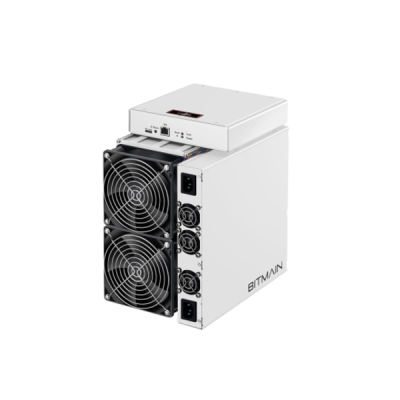
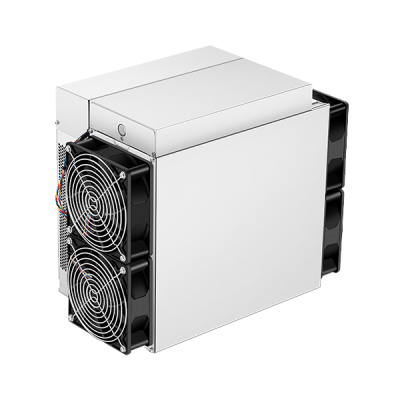
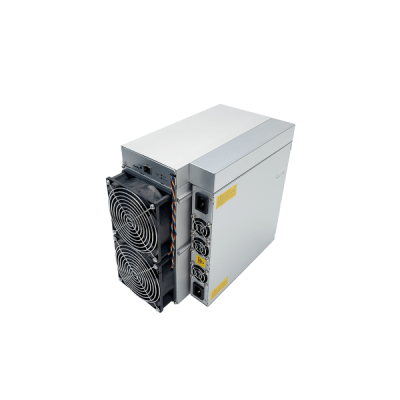
Recommended Miners for Nova Scotia
With higher rates in Nova Scotia, small-scale miners like Bitaxe and NerdAxe, or dual-purpose Space Heaters that offset heating costs, are recommended.
Climate Advantage — Nova Scotia
Nova Scotia has moderate winters (-8°C average) with significant ocean influence. The 6-month heating season and moderate cold still provide good dual-purpose mining value. Maritime storms can cause power outages — consider a UPS for your mining setup.
Mining Regulations — Nova Scotia
Nova Scotia has among the highest electricity rates in Canada. Nova Scotia Power is the sole provider for most of the province. No specific regulations on residential mining, but high rates make efficiency critical. Small-scale and dual-purpose mining recommended.
Bitcoin mining is legal across all Canadian provinces. No province currently has a ban on residential Bitcoin mining. Always check your local municipality for noise bylaws that may affect ASIC miner placement.
Bitcoin Mining in Nova Scotia — FAQ
Is Bitcoin mining profitable in Nova Scotia?
At the current BTC price and difficulty, a Antminer S19j Pro in Nova Scotia at $0.1777/kWh results in approximately -$295.67/month. However, when factoring in the heating offset during Nova Scotia's heating season, the net monthly figure becomes $+94.56. Consider more efficient hardware or smaller-scale miners like Bitaxe for better economics.
What electricity rate do I pay for Bitcoin mining in Nova Scotia?
The average residential electricity rate in Nova Scotia is $0.1777/kWh, provided by Nova Scotia Power.
What is the best Bitcoin miner for Nova Scotia?
With higher rates in Nova Scotia, small-scale miners are the way to go. Bitaxe, NerdAxe, and similar open-source miners keep power consumption low while still contributing to network decentralization. Bitcoin Space Heaters are also excellent — the heating offset makes the economics work even at higher rates.
Can I use a Bitcoin miner to heat my home in Nova Scotia?
Absolutely. A 3,050W miner produces 10,407 BTU/hr of heat — equivalent to a medium-sized space heater. In Nova Scotia with 6 heating months per year, this offsets approximately $390.23/month in heating costs. D-Central offers purpose-built Bitcoin Space Heaters designed for silent, efficient home heating while mining.
Is Bitcoin mining legal in Nova Scotia?
Yes, Bitcoin mining is fully legal in Nova Scotia and across all Canadian provinces. There are no federal or provincial bans on residential cryptocurrency mining. You may want to check local municipal noise bylaws if running large ASIC miners, as some municipalities have noise restrictions that could apply to louder mining equipment.
Bitcoin Mining in Canada
Compare all 10 provinces side-by-side. Interactive calculator, province rankings, and cost breakdowns.
Canada HubASIC Miner Database
Browse every Bitcoin miner with specs, profitability data, noise levels, and home mining scores.
Miner DatabaseProfitability Calculator
Enter your own miner specs and electricity rate to calculate profitability with real-time BTC price and difficulty.
Calculate ProfitabilityAll calculations based on a Antminer S19j Pro (3,050W, 104 TH/s) running 24/7 at the current BTC price and network difficulty in Nova Scotia. Actual electricity rates may vary by provider, tier, and time-of-use schedule. Heating offset assumes the miner fully replaces an equivalent electric heater during heating months. Mining Score is a composite rating. Not financial advice.