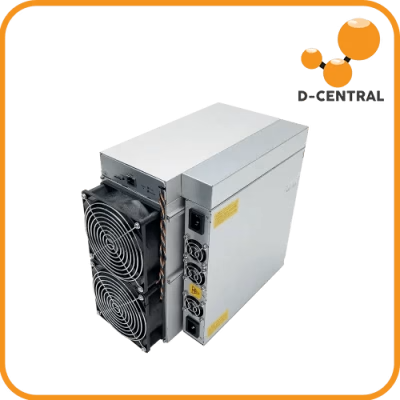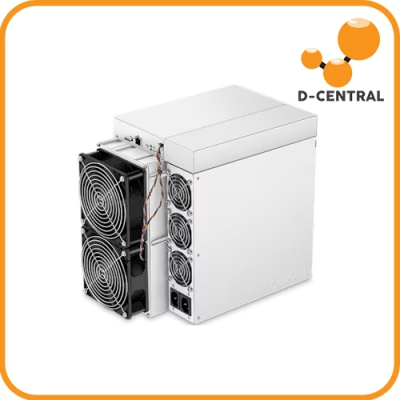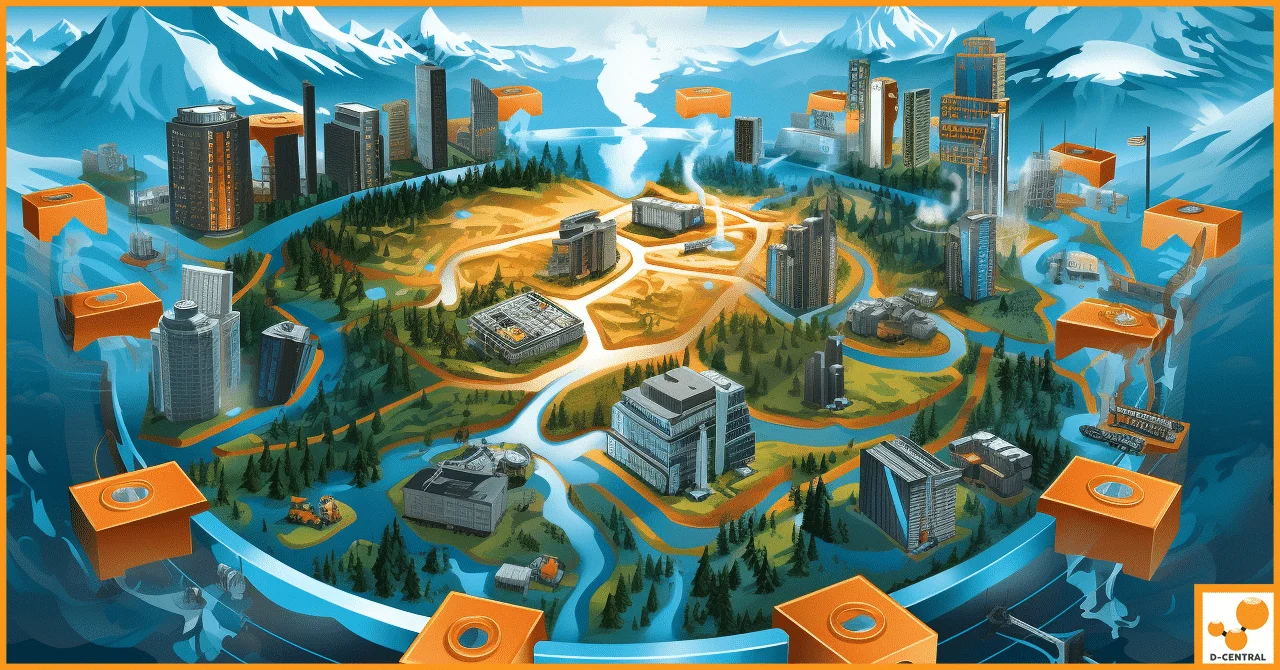
The Bitcoin mining industry operates on two radically different scales. On one end, publicly traded companies like Bitfarms deploy hundreds of megawatts of hashrate across multiple continents. On the other, individual Bitcoiners run Bitaxe solo miners on their desks, NerdAxe units in their workshops, and Bitcoin Space Heaters warming their homes through Canadian winters.
Both approaches serve the same network. Both strengthen Bitcoin. But understanding how the industrial side operates — the acquisitions, the power contracts, the hashrate arms race — gives home miners critical context about the environment they are mining in.
This is the Bitfarms story, examined through the lens of what it means for you: the home miner, the pleb, the Bitcoin Mining Hacker.
Who Is Bitfarms?
Bitfarms Ltd. (NASDAQ/TSX: BITF) launched in 2017 out of Toronto, Ontario, and Brossard, Quebec. The company identified early what every Canadian miner knows instinctively: cold climate plus affordable hydroelectric power equals an ideal mining environment.
From those Canadian roots, Bitfarms expanded operations across four countries — Canada, Argentina, Paraguay, and the United States. They went public on the TSX Venture Exchange and later uplisted to NASDAQ, making them one of the most visible publicly traded Bitcoin mining companies in North America.
Their core business model is straightforward: secure cheap power contracts (primarily hydroelectric), deploy thousands of ASIC miners, and accumulate Bitcoin. They own and operate their facilities, employ in-house electrical engineering teams, and run onsite repair centers — a vertical integration model that mirrors what D-Central has built at a different scale for the home mining community.
The Industrial Mining Playbook: Power Contracts and Scale
Understanding Bitfarms’ strategy reveals the fundamental economics of Bitcoin mining at scale. Here is how they have built their operation:
| Strategic Move | Details | Why It Matters |
|---|---|---|
| Quebec Hydro Operations | Multiple facilities powered by Hydro-Quebec | Sub-$0.05/kWh power costs, near-zero carbon |
| Baie-Comeau Acquisition (2023) | 22 MW hydro capacity, 600 PH/s deployment | Expanded Canadian footprint with clean energy |
| Paraguay PPAs | Up to 150 MW near Itaipu dam | Massive hydro surplus at rock-bottom rates |
| Argentina Operations | Low-cost energy infrastructure | Geographic diversification of hashrate |
| Vertical Integration | In-house engineering, repair centers, proprietary analytics | Reduced dependency on third-party vendors |
The pattern is consistent: find underutilized renewable energy, lock in long-term contracts, deploy hardware at massive scale. Bitfarms targeted 6+ EH/s of operational hashrate — a staggering number when you consider that the entire Bitcoin network now exceeds 800 EH/s.
The Centralization Problem Industrial Mining Creates
Here is where the D-Central perspective diverges sharply from the corporate press releases.
When a single publicly traded company controls multiple exahashes of Bitcoin’s hashrate, that is centralization. When their facilities are concentrated in a handful of jurisdictions subject to the same regulatory pressures, that is a single point of failure. When their board answers to shareholders rather than to the Bitcoin network’s best interests, incentive misalignment becomes inevitable.
Bitfarms is not unique in this regard. The entire publicly traded mining sector — Marathon Digital, Riot Platforms, CleanSpark, and others — operates under the same structural pressures. They must grow hashrate quarter over quarter to satisfy Wall Street. They must sell Bitcoin to cover operational costs. They must comply with whatever regulations their host jurisdictions impose.
This is precisely why home mining matters.
Every Bitaxe running on a desk somewhere. Every NerdAxe humming in a garage workshop. Every Bitcoin Space Heater warming a basement in Quebec while hashing SHA-256 — these are the counterweight to industrial centralization. The network does not care whether a hash came from a 200 MW facility in Paraguay or a Bitaxe Supra plugged into a 5V barrel jack on your workbench. A valid hash is a valid hash.
What Home Miners Can Learn from Bitfarms’ Strategy
Strip away the corporate scale and Bitfarms’ core strategy contains principles that every home miner can apply:
1. Energy Cost Is Everything
Bitfarms does not build facilities where power is expensive. They hunt globally for the cheapest kilowatt-hours available. Home miners should apply the same logic. If you are in Quebec or British Columbia with cheap hydro, you have a structural advantage. If you are running solar panels with excess daytime production, you can mine Bitcoin with energy that would otherwise be curtailed.
2. Vertical Integration Reduces Costs
Bitfarms runs their own repair centers because sending thousands of machines to third-party repair shops would destroy margins. Home miners should build the same capability. Learn to diagnose and repair your own hardware. D-Central’s ASIC repair service exists precisely for the repairs you cannot handle yourself — but understanding your hardware at a fundamental level is part of being a Bitcoin Mining Hacker.
3. Diversification Provides Resilience
Bitfarms operates across four countries because no single jurisdiction is risk-free. Home miners achieve the same resilience naturally — your mining operation is in your home, under your control, not subject to a government shutting down a data center. Solo mining with a Bitaxe means no pool can censor your transactions. That is sovereignty Bitfarms cannot match.
4. Long-Term Commitment Wins
Bitfarms signs multi-year power purchase agreements. They are not speculating on short-term price movements. Home miners should adopt the same mindset. Running a Bitcoin Space Heater through the winter is not about today’s Bitcoin price — it is about accumulating sats while offsetting your heating costs, year after year.
Industrial Mining vs. Home Mining: A Technical Comparison
| Factor | Industrial (Bitfarms-Scale) | Home Mining (Pleb-Scale) |
|---|---|---|
| Hashrate | Exahashes (EH/s) | Terahashes to Petahashes (TH/s – PH/s) |
| Power Source | Grid-scale PPAs, dedicated substations | Residential power, solar, excess energy |
| Hardware | Thousands of Antminer S21/S19 units | Bitaxe, NerdAxe, Space Heaters, single ASICs |
| Capital Required | $100M+ | $50 – $5,000 |
| Censorship Risk | High (regulatory, shareholder, pool) | Low (solo mining, home jurisdiction) |
| Transaction Selection | Delegated to mining pool | Solo miners select their own transactions |
| Heat Recovery | Usually vented/wasted | Used for home heating (dual-purpose mining) |
| Block Reward (Solo) | N/A (pool payouts) | 3.125 BTC if you hit a block |
| Network Decentralization | Concentrates hashrate | Distributes hashrate globally |
The Canadian Bitcoin Mining Advantage
Bitfarms recognized early what D-Central has been saying since 2016: Canada is one of the best places on Earth to mine Bitcoin.
Quebec’s hydroelectric grid delivers some of the cheapest and cleanest power on the planet. The cold climate reduces cooling costs dramatically — in winter, Canadian miners can use ambient air for cooling while their machines heat living spaces. The regulatory environment, while not perfect, is stable compared to many jurisdictions.
D-Central operates its mining hosting facility in Quebec for exactly these reasons. Whether you are Bitfarms deploying 150 MW or a home miner running a single ASIC with a shroud ducting warm air into your living room, the Canadian advantage is real and significant.
Decentralization as the Ultimate Mining Strategy
The Bitcoin whitepaper describes a peer-to-peer electronic cash system. Satoshi’s design assumed that mining would be distributed across many independent participants. The rise of industrial mining operations like Bitfarms represents a drift from that original vision.
This is not an argument against Bitfarms specifically — they are rational actors optimizing within the system’s incentive structure. But it is an argument for home mining as a critical balancing force.
When you run a Bitaxe solo miner, you are doing something that no publicly traded mining company can replicate: you are mining Bitcoin with zero counterparty risk, zero regulatory exposure, and complete transaction selection sovereignty. Your hash might be the one that finds a block. And if it is, that 3.125 BTC block reward goes directly to your wallet — no pool fees, no corporate overhead, no shareholder dilution.
The odds are long. The math is honest about that. But the act of mining is not purely about expected value calculations. It is about participating directly in the most important monetary network ever built. It is about strengthening decentralization with every hash.
Every hash counts.
Build Your Home Mining Operation
While companies like Bitfarms play their role in the Bitcoin mining ecosystem, the network’s long-term health depends on distributed hashrate. Here is how you can start contributing:
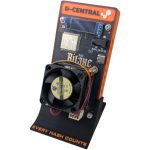
Solo Mining: Pick up a Bitaxe from the Bitaxe Hub — the Supra, Ultra, and Gamma models run on a 5V barrel jack (5.5×2.1mm DC connector, not USB-C) and consume minimal power while giving you a real shot at a solo block.
Dual-Purpose Mining: Our Bitcoin Space Heaters turn full-size ASIC miners into home heating units. Mine Bitcoin while heating your home — every watt of electricity becomes both heat and hashrate.
Full ASIC Mining: Browse the D-Central shop for everything from entry-level miners to high-performance units, plus all the parts, accessories, and power supplies you need.
Repair and Maintenance: When your hardware needs professional attention, D-Central’s ASIC repair service has been fixing miners since 2016 — with 60+ model-specific repair capabilities covering Bitmain, MicroBT, Innosilicon, and Canaan hardware.
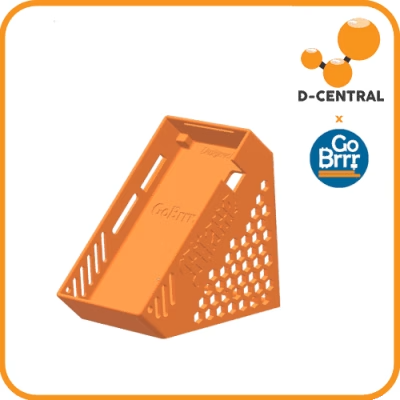
D-Central has been in the Bitcoin mining trenches since 2016. We are the original Bitaxe Mesh Stand manufacturer, a pioneer in the Bitaxe ecosystem, and Canada’s Bitcoin Mining Hackers. We take institutional-grade mining technology and hack it into accessible solutions for home miners.
The industrial miners will keep building. Let them. But the network needs you too.
Frequently Asked Questions
What is Bitfarms and how large is their mining operation?
Bitfarms Ltd. (NASDAQ/TSX: BITF) is a publicly traded Bitcoin mining company founded in 2017 in Canada. They operate mining facilities across Canada, Argentina, Paraguay, and the United States, with multiple exahashes of operational hashrate powered primarily by hydroelectric energy. They are one of the largest publicly traded Bitcoin mining companies in North America.
Why does industrial-scale Bitcoin mining matter to home miners?
Industrial miners like Bitfarms control significant portions of the Bitcoin network’s total hashrate. Understanding their scale, strategy, and limitations helps home miners appreciate why distributed, home-based mining is critical for network decentralization. Every home miner running a Bitaxe or Bitcoin Space Heater adds independent hashrate that no corporation controls.
Is home mining still worthwhile when companies like Bitfarms operate at massive scale?
Absolutely. Home mining serves a fundamentally different purpose than industrial mining. Solo mining with a Bitaxe gives you a chance at the full 3.125 BTC block reward with zero counterparty risk. Bitcoin Space Heaters offset heating costs while mining. And every independent miner strengthens the network’s decentralization — something no amount of industrial scale can replace.
What makes Canada ideal for Bitcoin mining?
Canada offers cheap hydroelectric power (especially Quebec), cold climate that reduces cooling costs and enables heat recovery for home heating, stable regulatory environment, and a strong technical workforce. Both Bitfarms and D-Central chose Canada for these same structural advantages. D-Central’s hosting facility operates in Quebec, leveraging these exact benefits.
How can I start mining Bitcoin at home?
Start with a Bitaxe solo miner from the D-Central Bitaxe Hub for entry-level solo mining (runs on a 5V barrel jack, not USB-C). For dual-purpose mining that heats your home, explore Bitcoin Space Heaters. For full-scale home mining, browse the D-Central shop for ASIC miners, parts, and accessories. D-Central also offers ASIC repair services and mining consulting for those who need hands-on support.
What is the difference between pool mining and solo mining?
Pool mining combines hashrate from many miners and distributes rewards proportionally — providing steady but smaller payouts. Solo mining means your hardware works independently, and if it finds a valid block, you receive the entire 3.125 BTC block reward directly. Solo mining with devices like the Bitaxe is a long-odds proposition, but it provides complete sovereignty: you select which transactions to include, and you have zero dependency on any pool operator.
Does D-Central offer Bitcoin mining hosting services?
Yes. D-Central operates a mining hosting facility in Quebec, Canada, taking advantage of cheap hydroelectric power and cold climate cooling. Hosting is available in Quebec only. For details, visit the Bitcoin mining hosting page or contact D-Central’s consulting team.