Every ASIC miner generates heat. That is not a flaw — it is physics. The real question is what you do with that heat and the noise that comes with it. Most home miners shove their rigs into a garage or basement and pray their family does not revolt. There is a better way.
This guide walks you through integrating an AC Infinity CLOUDLINE S8 inline fan with a Bitmain L7 miner using a roof vent exhaust system. The result: a quieter, cooler, and more sustainable mining setup that turns your attic into a proper mining environment — not an oven.
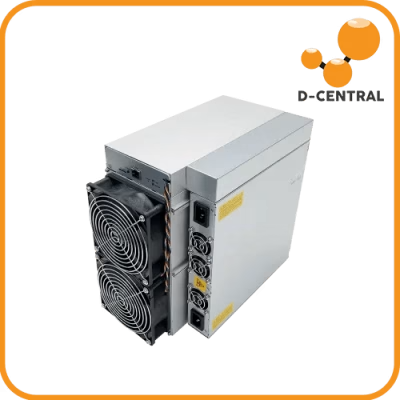
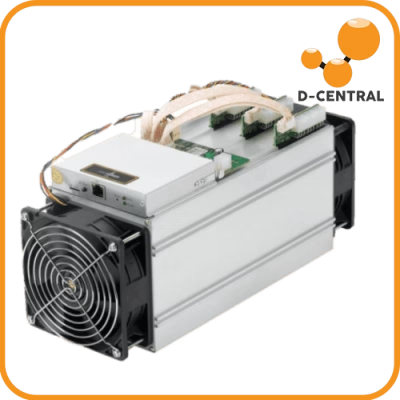
The Bitmain L7 is a Scrypt-algorithm ASIC miner (Litecoin and Dogecoin), but the principles here apply to any ASIC you run at home — whether it is an Antminer S19, an S21, or even a Bitcoin Space Heater build. Airflow management is airflow management. Master it once, apply it everywhere.
Why Airflow Engineering Matters for Home Mining
Stock ASIC fans are designed for data centers where noise is irrelevant and industrial HVAC handles the thermal load. In a home environment, those 80mm screamers push 75+ dB and dump kilowatts of heat directly into your living space. The result is predictable: overheated components, throttled hashrate, shortened hardware lifespan, and a very unhappy household.
Replacing the stock fan assembly with an inline duct fan solves all of these problems simultaneously. By creating a sealed airflow path from the miner to the outdoors, you accomplish three critical goals:
- Noise isolation — the inline fan operates at a fraction of the noise level of stock fans, and the ductwork itself acts as a sound dampener
- Thermal management — hot exhaust air exits through the roof instead of accumulating in your space
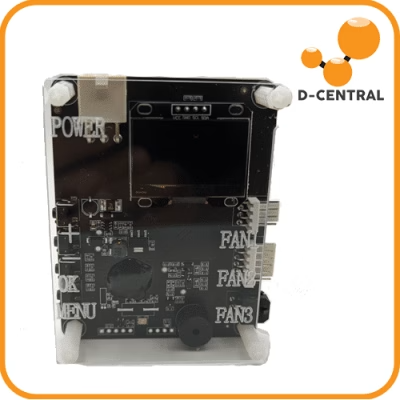
- Controlled environment — smart controllers let you automate fan speed based on real-time temperature readings
This is what we mean when we say Bitcoin Mining Hackers. We take industrial-grade mining hardware and hack it into solutions that work in real homes, with real families, and real electricity bills. If you are looking for more ways to repurpose mining heat, check out our Bitcoin Space Heaters — purpose-built dual-use mining units that heat your home while stacking sats.
Equipment List
Here is everything you need for this build. Most items are available at any hardware store or online.
| Component | Details | Notes |
|---|---|---|
| Bitmain L7 | Scrypt ASIC, up to 9.5 GH/s | Dual-fan design makes it ideal for inline conversion |
| AC Infinity CLOUDLINE S8 | 8-inch inline fan, 807 CFM max | Includes smart controller and thermal probe |
| 8-inch flexible duct | Fan exhaust to roof vent | Insulated duct recommended to minimize condensation |
| 4-inch flexible duct | Miner exhaust to fan intake | Use a reducer adapter if diameters do not match |
| Roof vent (8-inch) | Exhaust exit point | Existing attic vent works; install new if needed |
| Duct clamps (x4) | Secures duct connections | Two included with CLOUDLINE S8 |
| Corded thermal probe | Temperature monitoring | Included with CLOUDLINE S8 smart controller |
| Power strip (20A rated) | Powers miner + fan | Verify amperage rating matches your miner draw |
| Screwdriver set | Phillips and flathead | For removing stock fans and securing clamps |
Step-by-Step Build Guide
This installation takes about 30 to 45 minutes. No specialized tools or electrical knowledge required — just patience and attention to making airtight connections.
Step 1: Remove the Stock Fans
Power down the L7 completely and unplug it from the wall. Remove the two stock fans from each end of the miner. Four to six Phillips screws per fan. Disconnect the fan power cables from the control board — note which connectors they use so you can identify the headers later. Set the stock fans aside (keep them as spares for future ASIC repair needs).
Step 2: Connect the Miner Exhaust to the Inline Fan Intake
Attach one end of the 4-inch flexible duct to the exhaust side of the L7 (the side where hot air normally exits). Secure with a duct clamp. Connect the other end to the intake side of the CLOUDLINE S8. Clamp it down tight. You want zero air leakage at these joints — any leak means noise escaping and cooling efficiency dropping.
Step 3: Connect the Inline Fan Exhaust to the Roof Vent
Attach the 8-inch flexible duct to the exhaust side of the CLOUDLINE S8. Route this duct to your roof vent. If your attic already has a vent of the right diameter, connect directly. Otherwise, install a new 8-inch roof vent — this is a straightforward DIY job with a hole saw and some flashing sealant.
Step 4: Install the Thermal Probe
Plug the corded thermal probe into the CLOUDLINE S8 smart controller. Position the probe sensor inside the 8-inch exhaust duct, roughly 6 to 12 inches from the fan outlet. This gives you accurate readings of the exhaust air temperature, which is the most important metric for monitoring your miner’s thermal health.
Step 5: Power Up and Configure
Connect the CLOUDLINE S8 and the L7 to your power strip. Power on the fan first — let it spin up and establish airflow before turning on the miner. Once the L7 boots, the smart controller will begin reading temperatures and adjusting fan speed automatically.
On the smart controller, configure the following:
- Target temperature: 35-40°C exhaust temp is a safe range for most ASICs
- High-temp alarm: Set at 50°C — if your exhaust hits this, something is wrong
- Fan speed mode: Auto (temperature-responsive) is recommended over fixed speed
The CLOUDLINE S8 also supports Bluetooth connectivity via the AC Infinity app, giving you remote monitoring from your phone. Set up alerts so you get notified if temperatures spike while you are away.
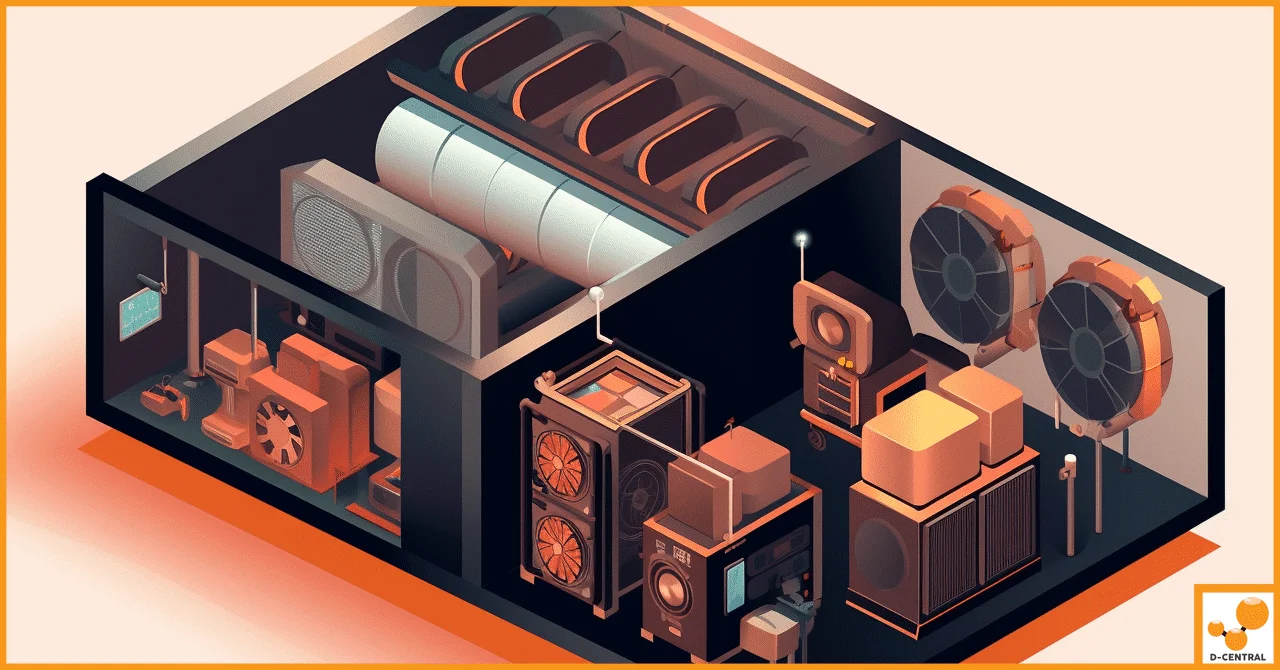
How the Closed-Loop Airflow System Works
Understanding the airflow path is key to troubleshooting and optimizing this setup:
- Intake: The CLOUDLINE S8 creates negative pressure, pulling ambient air through the open intake side of the L7 (where you removed the stock fan)
- Cooling: Air flows across the L7’s four hashboards, absorbing heat from the Scrypt ASIC chips
- Exhaust: The heated air exits through the 4-inch duct into the CLOUDLINE S8
- Expulsion: The inline fan pushes the hot air through the 8-inch duct and out the roof vent
The result is a continuous negative-pressure system where hot air never enters your living space. The miner draws in room-temperature (or cooler attic) air and exhausts everything outside. In winter, this is the one downside — you are venting heat you could be using. That is exactly why we built our Bitcoin Space Heater line: purpose-engineered enclosures that let you capture and redirect ASIC heat into your home’s heating system instead of wasting it outdoors.
Performance Comparison: Stock Fans vs. Inline Setup
| Metric | Stock L7 Fans | CLOUDLINE S8 Inline |
|---|---|---|
| Noise level | ~75 dB (industrial) | ~32 dB (quiet conversation) |
| Airflow | High but uncontrolled | Up to 807 CFM, thermostatically controlled |
| Temperature control | None (fixed speed) | Smart controller with probe, auto-adjusts |
| Heat exhaust | Dumps into room | Vented directly outside via roof |
| Remote monitoring | No | Yes (Bluetooth app) |
| Component lifespan impact | Higher temps = faster degradation | Lower temps = extended hashboard life |
Optimization Tips from the Workshop
We have built and repaired thousands of ASICs at D-Central. Here is what we have learned about inline fan setups:
- Seal every connection. Use aluminum foil tape (not regular duct tape) at every joint. Air leaks kill efficiency and let noise escape. Professional HVAC tape is worth the extra two dollars.
- Insulate the exhaust duct. If your attic gets cold in Canadian winters, the temperature differential between hot exhaust air and cold duct walls creates condensation. Insulated duct or a duct wrap solves this. Moisture and electronics do not mix.
- Monitor chip temperatures, not just exhaust. The CLOUDLINE S8 probe gives you exhaust temp, but log into your miner’s web interface and watch individual chip temperatures. If any chip runs more than 10°C above the average, you may have an airflow obstruction or a failing chip — bring it to us for diagnostics and repair.
- Consider seasonal switching. In winter, redirect that exhaust heat into your living space instead of venting it outside. This is the entire premise behind our Bitcoin Space Heaters — mining hardware that doubles as a heating appliance. In summer, vent it out. Two setups, year-round utility.
- Size your electrical correctly. The L7 draws roughly 3,425W at the wall. Ensure your circuit, power strip, and wiring can handle sustained load. A dedicated 20A circuit is strongly recommended for any miner above 2,000W.
Applying This to Other ASIC Miners
This guide uses the L7 as the example, but the same inline fan approach works with virtually any ASIC miner. Here are some common variations:
| Miner | Algorithm | Power Draw | Recommended Fan |
|---|---|---|---|
| Antminer S9 | SHA-256 (Bitcoin) | ~1,350W | CLOUDLINE S4 or S6 |
| Antminer S19 | SHA-256 (Bitcoin) | ~3,250W | CLOUDLINE S8 |
| Antminer S21 | SHA-256 (Bitcoin) | ~3,500W | CLOUDLINE S8 or T8 |
| Bitmain L7 | Scrypt (LTC/DOGE) | ~3,425W | CLOUDLINE S8 |
| Whatsminer M30S | SHA-256 (Bitcoin) | ~3,400W | CLOUDLINE S8 |
The sizing rule is simple: match the inline fan diameter to the miner’s exhaust opening, and ensure the CFM rating exceeds the miner’s stock fan rating. When in doubt, go one size up — an oversized fan running at lower RPM is quieter than a right-sized fan running at full blast.
For miners that need professional attention — whether it is a hashboard failure, a control board issue, or just a tune-up — our ASIC repair team has serviced thousands of units across every major manufacturer. We know these machines inside and out.
The Bigger Picture: Home Mining Done Right
This kind of build is what home mining is all about. You are not trying to compete with institutional farms running hundreds of megawatts. You are running your own node-on-silicon — contributing hashrate to the Bitcoin network from your own property, on your own terms, with your own electricity.
Every watt of hashrate that runs from a home instead of a centralized facility makes the Bitcoin network more resilient. That is the mission behind everything we do at D-Central: decentralization of every layer of Bitcoin mining. From open-source solo miners like the Bitaxe to full-scale ASIC setups in your attic — the goal is the same. Distribute the hashrate. Strengthen the network. Mine your own future.
If you are just getting started with home mining and want guidance on choosing the right hardware, electrical setup, or noise management strategy, our mining consulting service can help you plan a setup that fits your space, budget, and goals.
What is the AC Infinity CLOUDLINE S8?
The CLOUDLINE S8 is an 8-inch inline duct fan rated at up to 807 CFM. It features a smart controller with a corded thermal probe, Bluetooth app support, and programmable temperature and humidity triggers. It is widely used in grow rooms and server closets, and it is an excellent fit for ASIC miner exhaust setups due to its quiet operation (32 dB) and high airflow capacity.
What does the Bitmain L7 mine?
The Bitmain L7 is a Scrypt-algorithm ASIC miner that mines Litecoin (LTC) and Dogecoin (DOGE) simultaneously via merged mining. It delivers up to 9.5 GH/s of Scrypt hashrate at approximately 3,425W. It is not a Bitcoin (SHA-256) miner, but many miners convert their Scrypt earnings to Bitcoin.
Can I use this setup with a Bitcoin miner like the Antminer S19 or S21?
Absolutely. The inline fan and roof vent exhaust concept works with any ASIC miner. The Antminer S19 and S21 series are some of the most popular miners for this type of home setup. Match the duct diameter to the miner’s exhaust size and ensure the fan’s CFM rating meets or exceeds the miner’s airflow requirements.
Will removing the stock fans void my warranty?
Bitmain warranties are limited and typically do not cover modifications. However, most home miners purchase secondhand units where the warranty has already expired. If you are concerned about hardware integrity after modification, our ASIC repair service can inspect and service your unit.
How much noise reduction should I expect?
Stock L7 fans run at approximately 75 dB — comparable to a vacuum cleaner. The CLOUDLINE S8 at normal operating speeds produces around 32 dB, which is quieter than a typical conversation. Combined with the sound-dampening effect of the ductwork, most users report a dramatic improvement that makes attic or basement mining viable without disturbing the household.
What about winter condensation in the exhaust duct?
In cold climates (and we know Canadian winters), hot exhaust air meeting cold duct walls can create condensation. Use insulated flexible duct for the exhaust run, or wrap standard duct with pipe insulation. Ensure the roof vent has a damper to prevent cold air backflow when the system is off.
Can I reclaim the heat instead of venting it outside?
Yes, and we strongly recommend it during heating season. D-Central’s Bitcoin Space Heaters are built specifically for this purpose — sealed enclosures that direct ASIC exhaust heat into your home as supplemental heating. In summer, vent outside. In winter, heat your space. Dual-purpose mining is peak efficiency.
What electrical requirements should I plan for?
The L7 draws approximately 3,425W (roughly 14.3A on a 240V circuit or 28.5A on 120V). A dedicated 240V/20A circuit is strongly recommended for any miner above 2,000W. The CLOUDLINE S8 draws minimal power (under 70W). Always consult a licensed electrician if you are unsure about your home’s electrical capacity.