


The Bitmain APW3 PSU vs. Other Mining Power Supply Units
Cryptocurrency mining has evolved into a highly competitive and energy-intensive industry, where the efficiency of every component can significantly impact
4479 Desserte Nord Autoroute 440, Laval, QC H7P 6E2
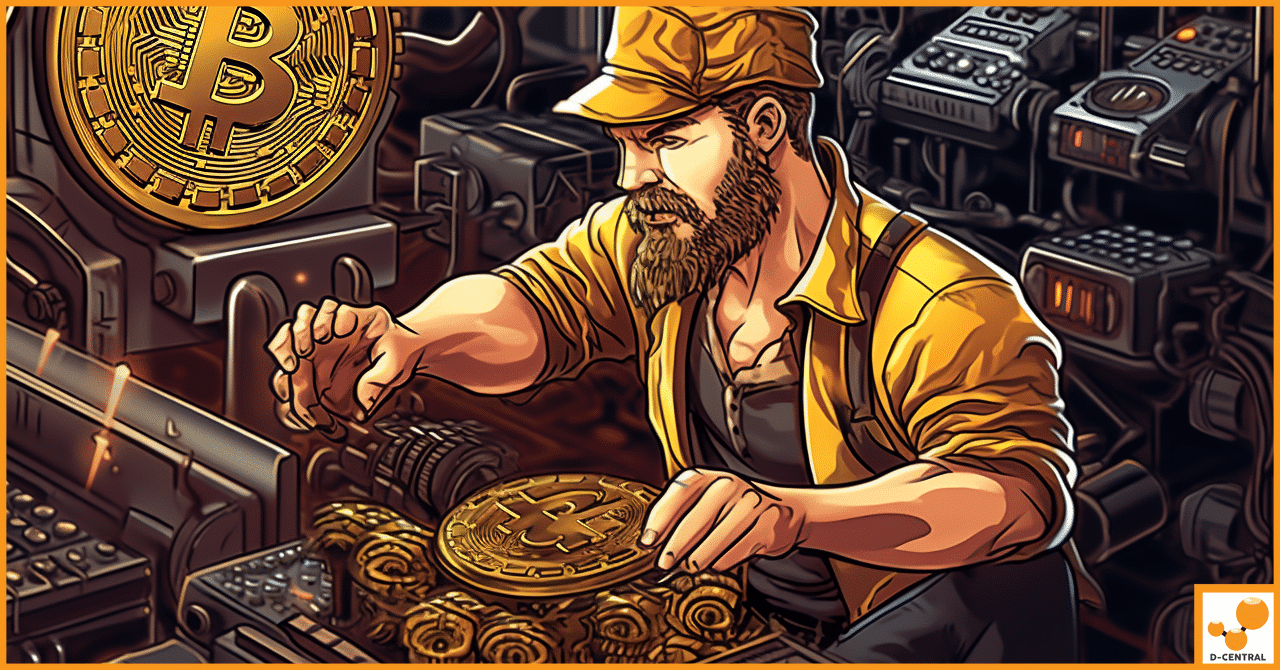
Bitcoin mining is the process of validating transactions and securing the Bitcoin network by solving complex mathematical puzzles. As a decentralized digital currency, Bitcoin relies on its community of miners to maintain and update its blockchain. Miners are motivated by the potential rewards they receive in the form of newly generated Bitcoins and transaction fees. This article will explore the intricacies of Bitcoin mining, its challenges, and its impact on the broader cryptocurrency ecosystem.
Cryptocurrency mining is the backbone of digital currency networks like Bitcoin. It involves dedicating computational resources to solve complex mathematical problems that validate transactions and add blocks to the blockchain. Blockchain technology is a decentralized, distributed ledger system that enables secure, transparent, and tamper-proof record-keeping of transactions. Miners play a crucial role in maintaining the integrity of the blockchain and ensuring the stability of the network.
Cryptocurrency mining employs a consensus algorithm known as proof-of-work (PoW) to maintain the decentralization and security of the network. PoW requires miners to compete against each other to solve complex mathematical puzzles, making it computationally expensive and resource-intensive. By solving these puzzles, miners contribute to the overall security and stability of the network, while also earning rewards in the form of newly minted Bitcoins and transaction fees.
Proof-of-work is a cryptographic concept that underpins the mining process in Bitcoin and other digital currencies. It involves solving complex mathematical problems that require significant computational power to complete. PoW ensures that miners expend considerable resources to add new blocks to the blockchain, making it difficult for any single entity to control the network or manipulate transaction history.
Decentralized mining is key to maintaining the security and integrity of the Bitcoin network. With no central authority or single point of failure, the network relies on its distributed community of miners to validate transactions and update the blockchain. PoW ensures that miners are incentivized to participate in the process and contribute their resources towards maintaining a secure and stable network.
Bitcoin mining profitability is affected by several factors, including hardware efficiency, electricity costs, mining difficulty, and market conditions. Mining efficiency refers to the rate at which mining hardware can solve the mathematical puzzles required to validate transactions and add blocks to the blockchain. More efficient hardware will consume less power and be more profitable in the long run.
Electricity costs are a significant factor for miners, as the energy consumption of mining hardware can be quite high. Miners must factor in the cost of electricity when calculating profitability, as it can significantly impact their bottom line. Mining difficulty, which adjusts automatically based on the overall mining power of the network, also plays a major role in determining profitability. As more miners join the network and contribute their computational resources, the difficulty increases, making it harder to earn rewards.
Market conditions, such as the price of Bitcoin and competition from other cryptocurrencies, can also impact mining profitability. As the price of Bitcoin fluctuates, so too does the potential reward for miners. Additionally, the emergence of new cryptocurrencies and mining algorithms can create competition for mining resources, potentially affecting the profitability of Bitcoin mining.
Bitcoin mining hardware, also known as mining rigs, consists of specialized computer systems designed specifically for mining cryptocurrencies. These rigs are equipped with powerful processors known as application-specific integrated circuits (ASICs) that are optimized for mining efficiency. The efficiency and power of mining hardware play a significant role in determining the profitability of a mining operation.
Mining software is a crucial component of any mining operation, enabling miners to communicate with the Bitcoin network, manage their mining hardware, and monitor their progress. There are various mining software options available, each offering different features and levels of customization depending on the user’s preferences and technical expertise.
Mining pools are groups of miners who pool their resources together to increase their chances of successfully mining a block and earning rewards. By combining their computational power, pool participants can solve the complex mathematical puzzles required for mining more quickly than they could individually. The rewards earned by the pool are then distributed among its members based on their individual contributions to the overall mining effort.
Mining farms are large-scale, professional mining operations that house and manage vast arrays of mining hardware. These facilities are typically located in regions with low electricity costs and favorable climate conditions to maximize mining efficiency and minimize operational expenses. Mining farms represent a significant portion of the global Bitcoin mining network, contributing substantial computational power to the maintenance and security of the blockchain.
The Bitcoin mining process involves three primary steps: transaction verification, network security, and reward distribution. Miners first verify transactions by checking their validity and ensuring they adhere to the rules of the network. This includes confirming that the sender has sufficient funds, the transaction is correctly formatted, and the digital signature is valid.
Once verified, transactions are grouped into a block and miners begin working to solve the complex mathematical puzzle associated with the block. Successfully solving the puzzle requires substantial computational resources, making it difficult for any single entity to dominate the network or manipulate transaction history. This process of solving the puzzle and adding a new block to the blockchain is known as mining.
When a miner successfully mines a block, they are rewarded with newly minted Bitcoins and any transaction fees associated with the transactions in the block. This serves as an incentive for miners to contribute their resources to the network and maintain its security and stability. Over time, the mining reward decreases according to a predetermined schedule, eventually reaching a point where all 21 million Bitcoins will have been mined, and miners will rely solely on transaction fees for their rewards.
The Bitcoin mining ecosystem is marked by intense competition, as miners vie for limited rewards and the opportunity to verify transactions on the network. With increasing mining difficulty, the race to mine new blocks becomes more challenging, requiring greater computational power and energy consumption. This has led to an arms race among miners to acquire the most efficient hardware and access to affordable electricity.
Competition in the mining space has also driven the formation of large mining farms and mining pools, which can leverage economies of scale to maximize their mining capabilities. This has led to concerns about the centralization of mining power, as these large entities hold significant influence over the network’s security and transaction validation.
Additionally, the finite supply of Bitcoin means that miners must constantly adapt to changing market conditions and find new ways to maintain profitability. As the mining rewards decrease over time, miners will need to rely more heavily on transaction fees, which may lead to further competition and consolidation within the mining ecosystem.
Investing in Bitcoin mining can be a complex and potentially risky endeavor, as numerous factors can impact the profitability and sustainability of a mining operation. Prospective miners must carefully consider their hardware choices, electricity costs, and mining difficulty when assessing the viability of a mining investment.
Additionally, the volatile nature of the cryptocurrency market means that miners must be prepared for fluctuations in the value of Bitcoin and other digital currencies. As the mining landscape becomes more competitive, investors must stay informed about new technologies, mining algorithms, and market trends to ensure their investments remain profitable.
Environmental impact and sustainability of Bitcoin mining
Bitcoin mining has garnered criticism for its environmental impact, as the energy consumption associated with mining operations can be quite significant. Some reports estimate that the global Bitcoin mining network consumes more electricity than entire countries, raising concerns about the sustainability of the mining process and its contribution to climate change.
In response to these concerns, the Bitcoin mining community has begun exploring more sustainable and environmentally friendly alternatives to traditional mining methods. Some mining operations have turned to renewable energy sources such as solar, wind, and hydroelectric power to reduce their carbon footprint and lower electricity costs. Additionally, advances in mining hardware and software have led to more energy-efficient mining processes, helping to mitigate some of the environmental concerns associated with Bitcoin mining.
As the Bitcoin network continues to evolve, so too will the mining ecosystem that supports it. The future of Bitcoin mining is likely to be shaped by advances in hardware and software technology, changing market conditions, and the ongoing push for sustainability and environmental responsibility.
Emerging technologies, such as the development of more efficient ASICs and the potential implementation of alternative consensus algorithms, could significantly impact the mining landscape. Additionally, the growing interest in renewable energy sources and the pursuit of more sustainable mining practices could help to alleviate some of the environmental concerns associated with the mining process.
Finally, as the number of Bitcoins left to be mined decreases, the competition for mining rewards will likely intensify, leading to further consolidation and centralization within the mining ecosystem. This could pose challenges to the network’s security and stability, requiring innovative solutions to maintain the decentralized nature of the Bitcoin network and ensure its long-term viability.
Bitcoin mining is the tireless engine that powers the Bitcoin network, ensuring its security, stability, and integrity.As a decentralized digital currency, Bitcoin relies on its community of miners to validate transactions and update its blockchain. The mining process involves solving complex mathematical puzzles, which requires significant computational power and energy consumption. Despite criticisms about its environmental impact, Bitcoin mining remains a critical component of the cryptocurrency ecosystem and a potential investment opportunity for those willing to navigate its complexities.
As the mining landscape evolves, miners must stay informed about new technologies, market conditions, and sustainability efforts to remain competitive and profitable. The future of Bitcoin mining is likely to be shaped by advances in hardware and software, changing market conditions, and the ongoing push for environmental responsibility. Despite the challenges and competition inherent in the mining ecosystem, Bitcoin mining remains a critical component of the broader cryptocurrency network and a testament to the power of decentralized, peer-to-peer digital currencies.
Q: What is Bitcoin mining?
A: Bitcoin mining is the process of validating transactions and securing the Bitcoin network by solving complex mathematical puzzles. As a decentralized digital currency, Bitcoin relies on its community of miners to maintain and update its blockchain. Miners are motivated by the potential rewards they receive in the form of newly generated Bitcoins and transaction fees.
Q: What is the role of proof-of-work in decentralized mining?
A: Proof-of-work is a cryptographic concept that underpins the mining process in Bitcoin and other digital currencies. It involves solving complex mathematical problems that require significant computational power to complete. PoW ensures that miners expend considerable resources to add new blocks to the blockchain, making it difficult for any single entity to control the network or manipulate transaction history. Decentralized mining is key to maintaining the security and integrity of the Bitcoin network.
Q: What factors affect mining efficiency and profitability?
A: Bitcoin mining profitability is affected by several factors, including hardware efficiency, electricity costs, mining difficulty, and market conditions. Mining efficiency refers to the rate at which mining hardware can solve the mathematical puzzles required to validate transactions and add blocks to the blockchain. More efficient hardware will consume less power and be more profitable in the long run. Electricity costs are a significant factor for miners, as the energy consumption of mining hardware can be quite high. Miners must factor in the cost of electricity when calculating profitability, as it can significantly impact their bottom line. Mining difficulty, which adjusts automatically based on the overall mining power of the network, also plays a major role in determining profitability.
Q: What are the key components of a Bitcoin mining operation?
A: Key components of a Bitcoin mining operation include mining hardware (specialized computer systems equipped with powerful ASIC processors), mining software (which enables miners to communicate with the Bitcoin network and manage their mining hardware), mining pools (groups of miners who pool their resources together to increase their chances of successfully mining a block and earning rewards), and mining farms (large-scale, professional mining operations that house and manage vast arrays of mining hardware).
Q: What are the challenges and competition in the Bitcoin mining ecosystem?
A: The Bitcoin mining ecosystem is marked by intense competition, as miners vie for limited rewards and the opportunity to verify transactions on the network. With increasing mining difficulty, the race to mine new blocks becomes more challenging, requiring greater computational power and energy consumption. This has led to an arms race among miners to acquire the most efficient hardware and access to affordable electricity. Competition in the mining space has also driven the formation of large mining farms and mining pools, which can leverage economies of scale to maximize their mining capabilities. This has led to concerns about the centralization of mining power, as these large entities hold significant influence over the network’s security and transaction validation.
Q: How can one assess mining investment opportunities?
A: Investing in Bitcoin mining can be a complex and potentially risky endeavor, as numerous factors can impact the profitability and sustainability of a mining operation. Prospective miners must carefully consider their hardware choices, electricity costs, and mining difficulty when assessing the viability of a mining investment. Additionally, the volatile nature of the cryptocurrency market means that miners must be prepared for fluctuations in the value of Bitcoin and other digital currencies.
Q: What is the environmental impact and sustainability of Bitcoin mining?
A: Bitcoin mining has garnered criticism for its environmental impact, as the energy consumption associated with mining operations can be quite significant. Some reports estimate that the global Bitcoin mining network consumes more electricity than entire countries, raising concerns about the sustainability of the mining process and its contribution to climate change. In response to these concerns, the Bitcoin mining community has begun exploring more sustainable and environmentally friendly alternatives to traditional mining methods, such as renewable energy sources and energy-efficient mining processes.
Q: What is the future of Bitcoin mining and its impact on the network?
A: The future of Bitcoin mining is likely to be shaped by advances in hardware and software technology, changing market conditions, and the ongoing push for sustainability and environmental responsibility. Emerging technologies, such as the development of more efficient ASICs and the potential implementation of alternative consensus algorithms, could significantly impact the mining landscape. Additionally, the growing interest in renewable energy sources and the pursuit of more sustainable mining practices could help to alleviate some of the environmental concerns associated with the mining process. Finally, as the number of Bitcoins left to be mined decreases, the competition for mining rewards will likely intensify, leading to further consolidation and centralization within the mining ecosystem.
DISCLAIMER: D-Central Technologies and its associated content, including this blog, do not serve as financial advisors or official investment advisors. The insights and opinions shared here or by any guests featured in our content are provided purely for informational and educational purposes. Such communications should not be interpreted as financial, investment, legal, tax, or any form of specific advice. We are committed to advancing the knowledge and understanding of Bitcoin and its potential impact on society. However, we urge our community to proceed with caution and informed judgment in all related endeavors.
Related Posts
Cryptocurrency mining has evolved into a highly competitive and energy-intensive industry, where the efficiency of every component can significantly impact
As the pioneering cryptocurrency, Bitcoin has shaped the digital asset landscape and established a powerful legacy. While the surge of
In the ever-evolving world of cryptocurrency, Bitcoin stands as the pioneering digital currency that has reshaped our understanding of financial