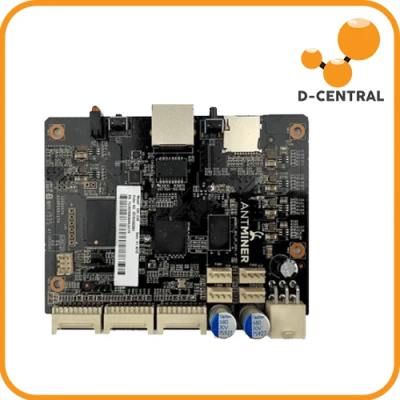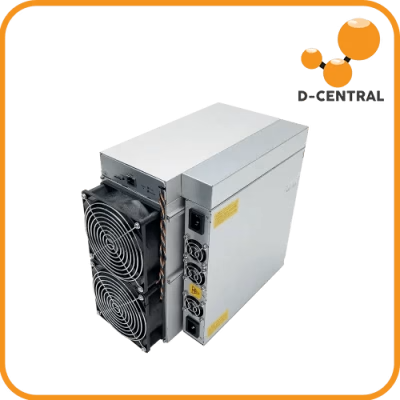
Running an ASIC miner at home is one of the most direct ways to participate in securing the Bitcoin network. But these machines are serious industrial hardware — pulling 1,200 to 3,400+ watts, generating temperatures above 60°C at the exhaust, and demanding dedicated electrical infrastructure that most residential buildings were never designed to provide.
Safety is not optional. A single wiring mistake, an overlooked dust buildup, or a poorly ventilated room can turn a profitable home mining setup into a fire hazard. At D-Central Technologies, we have been repairing, building, and deploying ASIC miners since 2016 — and we have seen firsthand what happens when safety is treated as an afterthought. Burned connectors, melted cables, scorched hashboards, and worse.
This guide covers every critical safety domain for home Bitcoin mining: electrical, fire, thermal, physical, environmental, and operational security. Whether you are running a single Antminer S21 in your garage or a rack of machines in your basement, these practices will protect your hardware, your home, and your family.
Electrical Safety: The Foundation of Everything
Electrical failures are the number one cause of mining-related incidents. ASIC miners are high-draw, continuous-load devices — they run 24/7 at near-maximum rated power. This places demands on your electrical infrastructure that most household appliances never approach.
Dedicated Circuits Are Non-Negotiable
Every ASIC miner should run on a dedicated circuit — meaning a single breaker in your electrical panel that serves only the miner (or miners) on that circuit. Sharing a circuit with household appliances, space heaters, or power tools invites overloads and tripped breakers.
| Miner Model | Power Draw | Minimum Circuit | Recommended Circuit | Plug Type |
|---|---|---|---|---|
| Antminer S9 | 1,323 W | 15A / 120V | 20A / 120V | NEMA 5-15P / 5-20P |
| Antminer S19j Pro | 3,050 W | 20A / 240V | 30A / 240V | NEMA 6-20P / L6-30P |
| Antminer S21 | 3,500 W | 20A / 240V | 30A / 240V | NEMA L6-30P |
| Antminer S21 XP | 3,400 W | 20A / 240V | 30A / 240V | NEMA L6-30P |
| Whatsminer M50S | 3,276 W | 20A / 240V | 30A / 240V | NEMA L6-30P |
The 80% Rule: The National Electrical Code (NEC) and the Canadian Electrical Code (CEC) both require that continuous loads (running 3+ hours) do not exceed 80% of a circuit breaker’s rated capacity. A 20A breaker on a continuous load should carry no more than 16A. A 3,500W miner on 240V draws ~14.6A — that fits within an 80% derated 20A circuit, but leaves almost zero margin. A 30A circuit gives you breathing room.
Wire Gauge Matters
Using undersized wire is a fire waiting to happen. The wire must be rated for the breaker protecting it:
| Breaker Rating | Minimum Wire Gauge (Copper) | Maximum Continuous Load (80%) |
|---|---|---|
| 15A | 14 AWG | 1,440 W @ 120V |
| 20A | 12 AWG | 3,840 W @ 240V |
| 30A | 10 AWG | 5,760 W @ 240V |
| 50A | 6 AWG | 9,600 W @ 240V |
If you are running 240V circuits for mining — and you should be, since 240V halves the current for the same wattage, reducing heat in the wiring — have a licensed electrician install the circuits. This is not a place to cut corners.
Critical Electrical Rules
- Never use extension cords for ASIC miners. They are not rated for sustained high-current loads and the resistance in the cord generates heat.
- Never use residential power strips as the primary connection. Use PDUs (Power Distribution Units) rated for the load if you need to distribute power from a single outlet.
- Inspect connections regularly. Loose connections generate heat through arcing. Check plug prongs, outlet receptacles, and PSU connectors every month.
- Use surge protection at the panel level. Whole-house surge protectors installed at your breaker panel protect all circuits from lightning and grid surges. Point-of-use surge protectors add a second layer but must be rated for the continuous wattage.
- Always power off before servicing. Disconnect the miner from power completely before opening the case, cleaning fans, or replacing components. ASIC power supplies carry lethal voltages internally even after shutdown — wait 60 seconds for capacitors to discharge.
- Ground everything. Ensure your outlets are properly grounded (three-prong, verified with a receptacle tester). A floating ground means a fault has no safe path to earth — it finds one through you instead.
Fire Safety: Prevention, Detection, and Suppression
ASIC miners are not inherently dangerous — but they are powerful heat sources running around the clock. A dust-clogged fan, a failing PSU capacitor, or a degraded power connector can escalate from minor issue to open flame in minutes.
Prevention
- Maintain clearance. Keep a minimum of 1 meter (3 feet) of clear space around miners. Never place miners near curtains, cardboard, wood, paper, or any combustible material.
- Keep the area clean. Dust is fuel. A mining room should be swept and surfaces wiped regularly. Dust on a hot PSU is a fire starter.
- Inspect PSU cables and connectors. The 6-pin PCIe connectors that feed hashboards are the most common failure point. Look for discoloration (brown or black marks), melted plastic, or a burnt smell. Replace immediately if found — D-Central stocks replacement PSUs and connectors for all major Antminer models.
- Never daisy-chain power connections. One miner, one outlet, one cable run to the panel. Period.
- Use metal shelving. Wire rack shelving (chrome or stainless steel) cannot ignite. Wood shelving in a mining room is an unnecessary risk.
Detection
- Smoke detectors: Install both ionization and photoelectric smoke detectors in the mining room. Ionization detectors respond faster to flaming fires; photoelectric detectors catch smoldering fires earlier. Use both types or combination units.
- Heat detectors: Rate-of-rise heat detectors trigger when temperature increases abnormally fast — useful in mining rooms where ambient heat is already elevated and might cause nuisance trips on standard smoke detectors.
- Smart monitoring: Wi-Fi-connected smoke and CO detectors can send alerts to your phone. If your miners are in a basement, garage, or detached building, remote notification means you learn about a problem immediately rather than when the room is already filled with smoke.
Suppression
- Fire extinguisher: Keep a Class C (electrical fire rated) or ABC-rated extinguisher within arm’s reach of the mining area. Check the pressure gauge monthly.
- Automatic suppression (optional but recommended for larger setups): For dedicated mining rooms with multiple machines, consider an automatic fire suppression system — dry chemical or clean agent (FM-200 / Novec 1230) systems designed for electrical environments.
- Kill switch: Install a clearly labeled emergency disconnect switch outside the mining room that cuts all power to the circuits serving the miners. In an emergency, you want to kill power without entering a room that may be on fire.
Thermal Management: Heat Is the Enemy of Longevity
ASIC chips operate at temperatures between 60°C and 85°C under normal conditions. Exhaust air from a single Antminer S21 exits at roughly 55-65°C. Without proper thermal management, ambient temperatures in a mining room will climb rapidly, reducing chip lifespan, increasing error rates, and degrading hashrate through thermal throttling.
Airflow Design
Effective mining room airflow follows one principle: cool air in on one side, hot air out on the other. This is called negative pressure ventilation.
- Intake: Fresh, cool air enters the room through filtered vents or an intake fan on one wall.
- Exhaust: Hot air is pulled out by exhaust fans on the opposite wall (or ceiling). The miners sit between intake and exhaust, drawing cool air through their heatsinks and pushing hot air toward the exhaust.
- Never recirculate. If hot exhaust air feeds back into the intake side, temperatures spiral upward. Use ducting if necessary to separate intake and exhaust paths.
Temperature Monitoring
Every mining setup should include temperature monitoring:
- Chip temperature: Available in the miner’s web dashboard. Keep ASIC chip temps below 80°C for optimal lifespan. Above 90°C, most miners will auto-throttle or shut down.
- Ambient temperature: Use a Wi-Fi thermometer/hygrometer in the mining room. Ideal ambient is 15-25°C. Above 35°C ambient, most miners will struggle to maintain full hashrate.
- Set alerts: Configure your monitoring software (or the miner’s built-in alerts) to notify you when temperatures exceed thresholds. Early warning prevents damage.
Seasonal Considerations for Canadian Miners
If you are mining in Canada, you have a natural thermal advantage for 6-8 months of the year. Winter ambient temperatures of -10°C to -30°C mean free cooling — but the transition seasons require planning. In summer, even Canadian homes can see indoor temps above 30°C without AC. Plan your ventilation for the worst case (hottest summer day), not the average.
Many Canadian home miners use their ASIC miners as Bitcoin space heaters during winter — channeling the exhaust heat into living spaces. This dual-purpose approach is one of the smartest ways to offset mining electricity costs, but it requires proper ducting and heat management to avoid overheating rooms.
Physical Safety: Handling and Placement
ASIC miners are industrial machines that happen to be small enough to fit in a home. Treat them accordingly.
Surface Temperatures
The exterior surfaces of an operating ASIC miner, particularly the heatsinks and exhaust side, can reach 50-70°C. That is hot enough to cause contact burns. Never touch a running miner with bare hands on the heatsink or exhaust area. If you need to physically interact with a running unit (adjusting position, checking connections), use heat-resistant gloves or power it off first and wait for it to cool.
Weight and Placement
- Stable, level surfaces only. An Antminer S19-series unit weighs approximately 14-15 kg. Placed on an unstable shelf or tilted surface, it can slide off and cause injury or damage. Use wire rack shelving with lip guards, or bolt shelves to the wall.
- Vibration isolation. Miners generate vibration from their fans. Over time, vibration can “walk” a miner to the edge of a shelf. Use rubber feet or anti-vibration pads under each unit.
- Secure cables. Dangling power cables are trip hazards and can pull a miner off a shelf if snagged. Use cable management (zip ties, cable trays) to route power and network cables neatly.
Children and Pets
Mining rooms should be off-limits to children and pets. The combination of high temperatures, exposed power connections, loud noise (75-80+ dB), and heavy equipment on shelves creates a hazardous environment. Install a lock on the mining room door. If you are running a miner in a shared living space (such as a Bitcoin space heater), ensure it is enclosed in a proper shroud or case that prevents direct contact with hot surfaces.
Environmental Safety: Water, Humidity, and Air Quality
Moisture Is the Silent Killer
ASIC miners contain exposed PCBs, solder joints, and power delivery components. Moisture causes corrosion, short circuits, and accelerated component failure. Keep miners in dry environments:
- Relative humidity: Maintain between 30-60%. Below 30%, static discharge risk increases. Above 60%, condensation risk rises, especially on cold metal surfaces.
- Never operate near water sources. Basements with sump pumps, rooms with plumbing overhead, and areas prone to flooding are risks. If you must use a basement, elevate miners at least 30 cm off the floor and install a water sensor alarm.
- Condensation risk: In cold climates, bringing frigid outdoor air directly into contact with warm electronics can cause condensation. Use a gradual temperature transition zone or dehumidification on the intake air if outdoor temps are below freezing.
Dust and Air Quality
Dust accumulation is the most common cause of premature ASIC failure. Dust insulates heatsinks, clogs fan bearings, and coats PCBs — all of which increase operating temperatures and reduce lifespan.
- Filter your intake air. Even a basic MERV-8 furnace filter on the intake vent dramatically reduces dust ingestion. Replace filters monthly during heavy use.
- Clean miners quarterly. Power off, disconnect, and use compressed air (from an electric blower, not canned air which leaves moisture) to blow dust out of heatsinks and fan assemblies. Clean from intake side to exhaust side so you are pushing debris out, not deeper in.
- Avoid environments with particulates. Garages with sawdust, rooms near dryer vents, or areas with pet dander accumulation will clog miners faster. If these are your only options, increase cleaning frequency and use higher-rated air filters.
Operational Security: Protecting Your Investment
ASIC miners are valuable targets. A single Antminer S21 is worth thousands of dollars, and unlike most electronics, miners are immediately useful to a thief — just plug it in and point it at a new pool.
Physical Security
- Locked room: Mining equipment should be in a space that can be locked. A deadbolt on a basement door is the minimum.
- Security cameras: A basic IP camera covering the mining area with cloud recording adds a deterrent and evidence layer. Many miners already have network infrastructure — adding a camera to the same network is trivial.
- Noise discipline: ASIC miners are loud. If you are in a residential area, the sound of fans running 24/7 advertises your mining operation to neighbors and passersby. Sound insulation or enclosed ventilation reduces both noise complaints and visibility to potential thieves.
Network Security
- Change default credentials immediately. Every Antminer ships with root/root as the default login. Change it on first setup. Use a strong, unique password.
- Isolate miners on your network. Put miners on a separate VLAN or subnet from your personal devices. Most consumer routers support guest networks — use one for miners. This limits lateral movement if a miner’s firmware is compromised.
- Use only trusted firmware. Download firmware exclusively from official sources. D-Central’s Antminer Firmware Download Center provides verified firmware files for all major models. Never flash firmware from random forum links or Telegram groups — malicious firmware that redirects a percentage of your hashrate to an attacker’s wallet is a real and common threat.
- Monitor your pool dashboard. Log in to your mining pool at least weekly and verify that your reported hashrate matches expectations. A sudden drop could indicate hardware failure — or compromised firmware skimming hashrate.
Insurance Considerations
Standard homeowner’s or renter’s insurance may not cover mining equipment, especially if it is being used for commercial purposes (which mining technically is). Contact your insurance provider and disclose your mining operation. Some providers offer riders or endorsements that cover business equipment in the home. Document your equipment with serial numbers, purchase receipts, and photographs for any potential claims.
Noise Safety: Protecting Your Hearing
This one is often overlooked. A single Antminer S19-series machine produces 75 dB of noise — roughly equivalent to a vacuum cleaner running continuously. Multiple miners in an enclosed space can exceed 85 dB, which is the threshold where prolonged exposure causes hearing damage according to OSHA and CCOHS (Canadian Centre for Occupational Health and Safety) guidelines.
- Wear hearing protection when spending extended time in a mining room. Foam earplugs (NRR 25-33) or over-ear muffs are inexpensive insurance for your hearing.
- Limit exposure time. Maintenance, cleaning, and inspections should be done efficiently. Do not use a mining room as a workspace.
- Sound-isolate the mining room. Mass-loaded vinyl (MLV) on walls, acoustic foam, weatherstripping on doors, and insulated ducting all reduce noise transmission to the rest of your home.
Maintenance Schedule: Preventing Problems Before They Start
Proactive maintenance is the single best safety practice. Most mining accidents are the result of deferred maintenance — a dirty fan that seized, a corroded connector that arced, a degraded PSU capacitor that failed.
| Frequency | Task | Why It Matters |
|---|---|---|
| Daily | Check pool dashboard for hashrate anomalies | Detects hardware failure or firmware compromise early |
| Weekly | Visual inspection of cables, connectors, and LEDs | Catches discoloration, melting, or loose connections before they become fires |
| Monthly | Check room temperature and humidity levels | Environmental drift can cause condensation or overheating |
| Monthly | Test smoke detectors and check fire extinguisher pressure | Safety equipment must be functional when you need it |
| Quarterly | Full dust cleaning with compressed air blower | Dust accumulation is the top cause of overheating and premature failure |
| Quarterly | Replace intake air filters | Clogged filters reduce airflow, increasing operating temperatures |
| Semi-Annually | Inspect and retighten all electrical connections | Thermal cycling loosens connections over time, creating arc points |
| Annually | Professional electrical inspection of mining circuits | Licensed electrician verifies wiring integrity, breaker function, and grounding |
When maintenance reveals a problem you cannot fix yourself — a hashboard producing errors, a PSU with bulging capacitors, or fan bearings that are grinding — D-Central’s ASIC repair service handles repairs on all major Antminer, Whatsminer, and Avalon models. Do not run degraded hardware. A failing PSU is a fire risk, not just a performance issue.
What to Do in an Emergency
Despite best practices, emergencies can still happen. Have a plan:
If You Smell Burning or See Smoke
- Cut power immediately. Use the emergency disconnect switch if you have one. Otherwise, trip the breaker at the panel — do not enter a smoke-filled room to unplug individual miners.
- Do not open the case of a smoking miner. Introducing fresh oxygen to a smoldering component can cause it to flash into open flame.
- Use a Class C or ABC fire extinguisher if there are visible flames and the fire is small enough to manage safely. Never use water on an electrical fire.
- Evacuate and call emergency services if the fire is beyond a small, contained area. Hardware can be replaced. You cannot.
If a Miner Is Making Unusual Noises
Grinding, clicking, or high-pitched whining indicates a fan bearing failure or PSU issue. Power off the miner immediately and investigate before restarting. A seized fan means zero cooling on that section of the hashboard — temperatures will spike within seconds.
If You Experience an Electrical Shock
If someone receives an electrical shock from mining equipment, cut power to the circuit immediately. Do not touch the person if they are still in contact with the energized source — you will become part of the circuit. Call emergency services. Even a minor shock can cause cardiac arrhythmias that present symptoms hours later.
Safety Checklist for New Mining Setups
Before powering on your first miner, walk through this checklist:
| Category | Checklist Item | Status |
|---|---|---|
| Electrical | Dedicated circuit installed by licensed electrician | ☐ |
| Electrical | Correct wire gauge for breaker rating verified | ☐ |
| Electrical | Outlets properly grounded (tested with receptacle tester) | ☐ |
| Electrical | Whole-house surge protector installed | ☐ |
| Fire | Smoke and heat detectors installed and tested | ☐ |
| Fire | ABC or Class C fire extinguisher accessible | ☐ |
| Fire | Emergency power disconnect switch installed | ☐ |
| Thermal | Intake and exhaust ventilation configured | ☐ |
| Thermal | Temperature monitoring in place (ambient + chip temps) | ☐ |
| Environment | Room is dry with 30-60% relative humidity | ☐ |
| Environment | Air filtration on intake vent | ☐ |
| Physical | Stable, non-combustible shelving (metal/wire rack) | ☐ |
| Physical | Room locked / inaccessible to children and pets | ☐ |
| Security | Default miner credentials changed | ☐ |
| Security | Miners on isolated network segment | ☐ |
| Noise | Hearing protection available | ☐ |
Frequently Asked Questions
Can I run an ASIC miner in my apartment or condo?
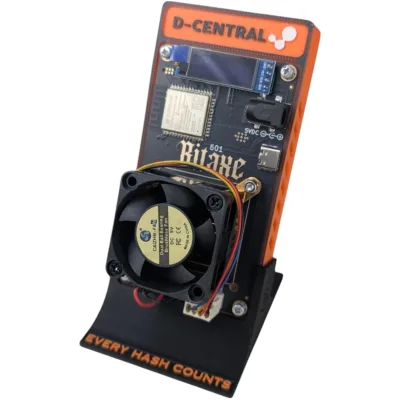
Technically yes, but with significant caveats. Most apartments have 100-150A electrical service shared across the unit — a single high-wattage miner can consume 15-20% of your total capacity. Noise is the bigger issue: 75+ dB will penetrate walls and generate complaints. Smaller, quieter miners like the Bitaxe (solo miners drawing under 15W) or properly enclosed Bitcoin space heaters are more practical for apartment settings. Check your lease for restrictions on high-power equipment before committing.
What type of fire extinguisher do I need for a mining setup?
A Class C or ABC-rated fire extinguisher is required. Class C covers electrical fires specifically. ABC extinguishers cover ordinary combustibles (A), flammable liquids (B), and electrical equipment (C). Never use a water-based extinguisher on energized electrical equipment — water conducts electricity and will make the situation catastrophically worse. For larger setups, clean-agent suppression systems (FM-200 or Novec 1230) are ideal because they extinguish fires without leaving residue that damages electronics.
How often should I clean my ASIC miner?
At minimum, perform a thorough dust cleaning every 3 months (quarterly). In dusty environments — garages, basements with poor air filtration, or areas with pets — increase to monthly. Use an electric compressed air blower (not canned air, which can leave moisture). Blow from the intake side toward the exhaust to push debris out rather than deeper into the heatsink fins. A clean miner runs cooler, lasts longer, and mines more efficiently.
Is it safe to run ASIC miners 24/7 unattended?
Yes, ASIC miners are designed for continuous 24/7 operation — this is their normal duty cycle. However, “unattended” should not mean “unmonitored.” You should have remote monitoring (pool dashboard, temperature alerts, smart smoke detectors with phone notifications) that alerts you to anomalies even when you are not physically present. Combine monitoring with proper electrical infrastructure, fire detection, and regular maintenance, and 24/7 operation is safe and standard practice.
Do I need a licensed electrician to set up mining at home?
For anything beyond plugging a single low-wattage miner into an existing 120V outlet — yes, absolutely. Installing 240V circuits, upgrading your electrical panel, adding breakers, and running new wire all require a licensed electrician to comply with the Canadian Electrical Code (CEC) or National Electrical Code (NEC). Beyond legal compliance, a professional installation ensures proper wire gauging, breaker matching, and grounding — the three factors most commonly involved in residential electrical fires. The cost of an electrician is trivial compared to the cost of a house fire.
Can Bitcoin mining damage my home’s electrical system?
Not if the electrical system is properly sized for the load. Problems arise when miners are connected to circuits that were never designed for sustained high-current draws — old wiring, undersized breakers, aluminum wiring in older homes, or Federal Pacific / Zinsco panels (which are known fire hazards regardless of mining). Have an electrician evaluate your panel and wiring before adding significant mining load. In many cases, an electrical panel upgrade is the first investment a home miner should make.
What should I do if my miner’s PSU connector is discolored or melted?
Stop using it immediately. A discolored or melted connector indicates sustained overheating due to a poor connection, oxidation, or excessive current draw. Continuing to operate with a damaged connector is a direct fire risk. Power off the miner, disconnect it from the wall, and replace the damaged cable or PSU. If the connector on the hashboard side is also damaged, the hashboard may need professional repair. D-Central’s repair team handles connector and PSU replacements for all major ASIC models.
How do I reduce mining noise in a residential setting?
There are several approaches, and most effective setups combine multiple methods: replace stock fans with quieter aftermarket fans (Noctua mods are popular for S9-class miners), use sound-dampened enclosures or shrouds with insulated ducting, isolate the mining room with weatherstripping, door seals, and mass-loaded vinyl on walls, or relocate miners to a detached structure like a garage or shed. For the quietest home mining experience, purpose-built Bitcoin space heaters are specifically designed with noise reduction as a primary feature.