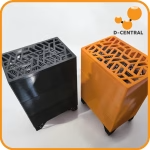
North Carolina is an emerging hub for technology and innovation, and Bitcoin mining is no exception. With electricity rates around $0.13–0.15/kWh from Duke Energy — below the national average — a moderate climate that delivers meaningful cold seasons, and a growing tech ecosystem centred around the Research Triangle, North Carolina offers a balanced environment for home miners. The state doesn’t have Wyoming’s legislative enthusiasm for crypto, but it also hasn’t erected barriers. For the millions of North Carolinians already paying Duke Energy, mining represents a practical way to put excess electrical capacity to work earning Bitcoin.
D-Central Technologies ships to North Carolina and all US states. Whether you’re in Charlotte, Raleigh, or the mountain towns of Asheville, we deliver the full range of Bitaxe miners, ASICs, Space Heaters, and accessories with our signature mining hacker expertise and ASIC repair support.
North Carolina Electricity Rates for Bitcoin Mining
Duke Energy (through its Duke Energy Carolinas and Duke Energy Progress subsidiaries) serves the majority of North Carolina. The state also has several municipal utilities and cooperatives.
Current Residential Rates (2026)
- Duke Energy Carolinas: ~$0.1350–0.1490/kWh (effective January 2026, with approved multi-year rate plan adjustments)
- Duke Energy Progress: Similar range, slightly varying by service territory
- Typical monthly bill (1,000 kWh): ~$148.62 as of January 2026
- Upcoming changes: Additional increases of ~$17/month proposed for January 2027
- National comparison: North Carolina rates are approximately 15–25% below the US national average of ~$0.18/kWh
Monthly Mining Cost Estimates at NC Rates
- Antminer S21 (3,500W): ~$102–113 USD/month
- Antminer S19 (3,250W): ~$95–105 USD/month
- Bitaxe (15W): ~$1.45–1.60 USD/month
- Bitcoin Space Heater S9 Edition (1,300W): ~$38–42 USD/month
North Carolina’s rates are moderate — not the cheapest in the US, but well within profitable territory for efficient mining hardware, especially when combined with the state’s heating season.
Climate Considerations for Mining in North Carolina
North Carolina’s climate varies significantly from the mountains to the coast, but overall provides a solid 4–6 months of mining-friendly cool weather.
Temperature Profile
- Winter (December–February): Mountains (Asheville): 0°C to -6°C (32°F to 21°F). Piedmont (Charlotte/Raleigh): 2°C to 8°C (36°F to 46°F). Coast (Wilmington): 5°C to 12°C (41°F to 54°F).
- Spring (March–May): Pleasant 12°C to 22°C (54°F to 72°F).
- Summer (June–August): Hot and humid 26°C to 35°C (79°F to 95°F). High humidity adds cooling challenges for ASIC miners.
- Fall (September–November): Comfortable 12°C to 24°C (54°F to 75°F).
North Carolina offers approximately 4–6 months of heating season depending on your location (longer in the mountains, shorter on the coast). Bitcoin Space Heaters are particularly effective in mountain communities like Asheville, Boone, and the Blue Ridge, where winter temperatures rival northern states.
Summer Cooling Strategy
North Carolina’s humid summers are the biggest climate challenge for miners. ASIC miners in garages or workshops will need proper ventilation and potentially exhaust fans to prevent heat buildup during July and August. Consider seasonal strategies: full ASIC operation October through May, and reduced or Bitaxe-only mining during the hottest summer weeks.
Regulations and Legal Status in North Carolina
North Carolina takes a generally permissive approach to cryptocurrency, with no specific mining restrictions.
Key Regulatory Points
- No mining bans or moratoriums: North Carolina has no legislation restricting cryptocurrency mining at the residential or commercial level.
- Money transmitter consideration: Simply mining Bitcoin does not trigger North Carolina’s money transmitter licensing requirements. The NC Office of the Commissioner of Banks has not classified mining as money transmission.
- State income tax: North Carolina has a flat 4.5% state income tax (as of 2026, declining from previous years). Mining income is subject to this rate. Capital gains are taxed as ordinary income at the state level.
- Sales tax: North Carolina charges 4.75% state sales tax plus local taxes (total ~6.75–7.5%). Mining equipment purchases are subject to sales tax.
- HOA and community restrictions: Many North Carolina subdivisions have HOAs that could restrict outdoor ASIC mining due to noise. Verify your HOA covenants before installing outdoor mining equipment.
- Noise ordinances: Cities like Charlotte, Raleigh, and Durham have noise ordinances. ASIC miners need indoor or enclosed installations. D-Central’s Space Heaters provide a quiet, indoor-friendly solution.
- Electrical code: North Carolina follows the National Electrical Code. All 240V installations require permits and licensed electricians.
Best Mining Hardware for North Carolina
NC’s moderate rates and mixed climate call for strategic hardware selection:
- Bitaxe (all variants): At under $1.60/month, Bitaxe is the always-on, always-profitable choice for NC miners. Runs year-round in any climate with zero noise concerns.
- Bitcoin Space Heaters: Best value during NC’s 4–6 month heating season. Mountain residents get the most benefit with longer winters. A Space Heater in an Asheville home from November through April is pure mining profit.
- Antminer S21: The efficiency leader. Profitable year-round at NC rates with current Bitcoin prices, though summer months in humid areas require proper ventilation planning.
- Latest-generation ASICs only: At NC rates, avoid older hardware for pure mining. Reserve older units for Space Heater conversions during winter.
Browse our complete selection at the D-Central Shop.
Getting Started Mining in North Carolina
- Check your Duke Energy rate: Log into your Duke Energy account to see your exact rate class and per-kWh charge. Rates vary between Duke Energy Carolinas and Duke Energy Progress territories.
- Start with a Bitaxe: Order a Bitaxe from D-Central to learn mining at virtually zero cost.
- Plan for your climate zone: Mountain miners (Asheville, Boone, Blowing Rock) can run full ASICs year-round with excellent heating value. Piedmont and coastal miners should plan seasonal strategies.
- Check HOA rules: If you live in a subdivision with an HOA, review covenants for noise and equipment restrictions before investing in ASICs.
- Hire a licensed electrician: NC requires permits for 240V circuit installations. Plan for dedicated circuits before ordering ASIC hardware.
- Order from D-Central: We ship to all NC addresses. Full range of hardware, accessories, and parts with ASIC repair support.
- Monitor seasonally: Track profitability through summer and winter cycles. Adjust your operation based on temperature, Bitcoin price, and electricity costs.
Complete walkthrough in our Getting Started with Bitcoin Mining guide.
Frequently Asked Questions
Is Bitcoin mining legal in North Carolina?
Yes. Bitcoin mining is fully legal in North Carolina. There are no state laws restricting cryptocurrency mining at any scale. Standard residential utility service applies — no special permits or approvals needed for home mining.
How much does it cost to mine Bitcoin in North Carolina?
At Duke Energy rates of ~$0.135–0.149/kWh, an Antminer S21 costs approximately $102–113 USD/month. A Bitaxe costs about $1.45–1.60/month. During the heating season, Space Heater mining costs are offset by the heating value provided.
Is Bitcoin mining profitable in North Carolina in 2026?
Yes, with the right hardware. Latest-generation ASICs (S21 class) are profitable year-round at NC rates. Older hardware works best as Space Heaters during the heating season. Solo mining with Bitaxe is always worth the negligible operating cost. Mountain regions with colder, longer winters offer the best overall mining economics.
Can I mine Bitcoin in my apartment in North Carolina?
A Bitaxe works perfectly in any apartment — silent and uses minimal power. Bitcoin Space Heaters work well during the heating months. Full ASICs are impractical in apartments due to noise. Check your lease terms and electrical capacity.
How does North Carolina’s climate affect mining profitability?
Location within NC matters significantly. Mountain communities enjoy 5–6 months of cold weather ideal for mining-as-heating. The Piedmont (Charlotte, Raleigh) gets 4–5 useful months. Coastal areas have the shortest heating season but milder summers. All regions can mine profitably with proper hardware selection and seasonal strategy.