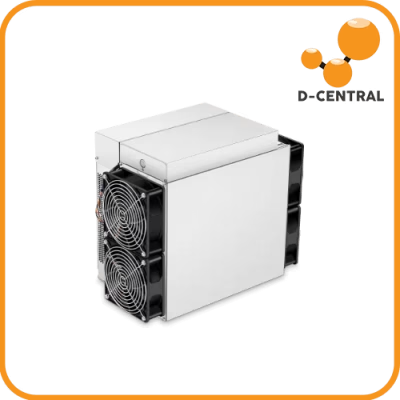
Whatsminer, built by MicroBT, is the workhorse of the home and small-farm SHA-256 fleet — and when a unit drops hashrate, throws a temperature fault, or simply won’t boot, the difference between a $40 part swap and a dead machine is knowing exactly what failed. This is the diagnostic playbook we use on the bench: how a Whatsminer is built, how to read what it’s telling you, and how to fix the faults that actually happen — from the air-cooled M20S/M21S through the M30S/M31S/M32 generation to the modern M50/M53/M56 and M60 hydro and air units.
How a Whatsminer Is Built (and Why It Matters for Repair)
You cannot diagnose what you don’t understand. Every Whatsminer is four subsystems working together, and a fault almost always traces back to one of them:
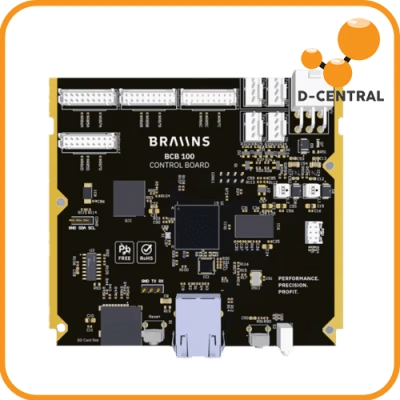
- Control board — the brains. A small Linux SBC (Allwinner-based control boards, several generations) running MicroBT’s BTMiner software. It talks to the hashboards, manages the PSU, serves the web UI, and exposes the API. Symptoms of control-board failure: no web UI, no network, won’t boot, or boots but reports “0 hashboards.”
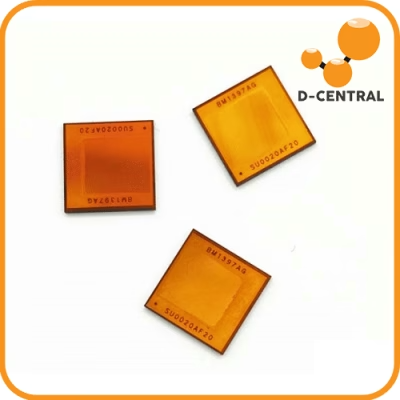
- Hashboards — the muscle. Typically three boards per unit, each carrying a chain of SHA-256 ASIC chips grouped into voltage domains. A single dead chip can take an entire domain — and a chunk of your hashrate — offline. This is where most real failures live.
- Power supply (PSU) — older M20S/M21S/M30S units run an integrated or matched PSU; M50/M53/M56 generation uses the high-output P221/P222-class supplies. PSU faults present as no power, random reboots under load, or one hashboard refusing to come up.
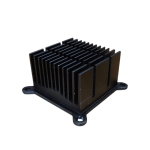
- Cooling — dual axial fans on air units; a sealed water loop on the hydro M53/M56 and immersion-ready variants. Cooling faults are the #1 cause of secondary damage: an overheating board cooks chips that were otherwise fine.
Reading the Diagnostics: What Your Whatsminer Is Telling You
Before you open the case, read the machine. MicroBT gives you three honest sources of truth:
1. The web UI & the WhatsMiner Tool
The built-in web interface (and the Windows-based WhatsMiner Tool, plus the JSON API on port 4028) report per-board chip counts, real-time temperatures, fan RPM, frequency, and voltage. The single most valuable number is chip count per board: a healthy board reports its full complement; a board reading “0” or a partial count has a dead domain or a communication fault. Compare the three boards against each other — the outlier is your suspect.
2. The kernel / error log
BTMiner’s status and error log is the equivalent of reading a patient’s chart. It will tell you which board failed to initialize, which temperature sensor is unreadable, whether the PSU reported an over-current or over-temperature event, and whether the unit entered thermal protection. “Hashboard X not found,” “temp sensor read error,” “power off by protection,” and “fan speed too low” are the message families you’ll see most — each points at a specific subsystem.
3. The machine itself
Power it on and use your senses. Listen for fans spinning up (and for the grinding of a failing bearing). Smell for the unmistakable scent of burnt components. Look for discoloured PCB, bulged capacitors, and heat-damaged solder around the chips. A miner that clicks and reboots in a loop is telling you about its PSU or a short; a miner that runs but at two-thirds hashrate is telling you about a dead domain.
The Faults That Actually Happen — and How to Fix Them
Hashboard faults: low hashrate, missing chips, dead domains
This is the bread and butter of ASIC repair. If your Whatsminer runs but reports a chip count below spec, or one board shows “0,” you have a hashboard fault. Common root causes:
- A single failed ASIC chip killing its domain. Diagnosis requires a chip-level approach: thermal imaging or a chip tester to find the dead chip in the chain, then reball/reflow or replace it. This is bench work, not a home fix.
- Cracked solder joints / BGA failures from thermal cycling — every heat-up and cool-down stresses the joints. Symptom: a board that works when cold and fails when hot, or after being moved.
- Failed heat-domain power components (the buck stages feeding each domain). A multimeter check of domain voltages against the others isolates these.
The home fix: reseat the board’s data and power cables, blow out dust, and confirm the issue follows the board (swap a suspect board into a known-good slot). When to send it in: any chip-level work — reballing, chip replacement, domain repair — needs hot air, a preheater, microscope, and genuine replacement chips. That’s a job for our bench. See our ASIC repair service, and look up your specific symptom in the ASIC error-code library.
Overheating & thermal protection
Whatsminers self-protect: cross a temperature threshold and the unit throttles, then shuts down (“power off by protection”). Overheating is rarely the root problem — it’s a symptom of poor airflow, caked dust, dried thermal interface material, or a failing fan. Left unaddressed, it becomes the cause of the next hashboard failure.
- Clean the heatsinks and fan blades — dust is the silent killer of efficiency.
- Confirm intake air temperature: a Whatsminer pulling in 35 °C exhaust from the unit next to it will never stay cool. Fix your airflow and room layout first.
- If a single board runs hot, suspect dried thermal paste between chips and heatsink, or a clamped/loose heatsink — a teardown-and-repaste job.
- On hydro units (M53/M56), overheating points at the water loop: a clogged plate, an air-locked pump, or a slow leak. Hydro repair is specialist work — do not run a leaking unit.
Fan faults
“Fan speed too low” or “fan not detected” will stop a Whatsminer cold, because the firmware refuses to mine without confirmed cooling. Diagnosis is straightforward: a fan that doesn’t spin, spins erratically, or grinds is failing. Replace it with a correct-spec fan (voltage, connector, and RPM matter — a too-slow fan re-triggers the fault; a 6000-RPM-class fan is typical). This is one of the few genuinely DIY-friendly Whatsminer repairs. We stock replacement parts, including fans and the cooling hardware these units expect.
PSU faults
A Whatsminer that won’t power on, reboots under load, or brings up only two of three boards often has a power problem, not a hashboard problem. Check the obvious first: input voltage and a clean, adequately-rated circuit (these are 220–240 V machines drawing 3,000–3,500 W+). A PSU that clicks, won’t hold output, or shows scorching needs replacement with a matched unit — running a hashboard on a marginal supply is how you turn one fault into three.
Control-board & firmware faults
No web UI, no network, no boot, or a unit stuck mid-startup usually means the control board — a corrupted firmware image, a failed eMMC/SD card, a network port fault, or a dead board. Steps in order:
- Reflash the firmware. A clean BTMiner image from MicroBT’s official channel resolves a surprising share of “dead” control boards. Always source firmware from the official site — never a random forum link.
- Re-image the storage if the board boots but behaves erratically.
- Check the network port and cable before condemning the board — a stable connection is non-negotiable for mining.
- If a reflash and known-good cable don’t revive it, the control board itself likely needs component-level repair or replacement.
A note on firmware: Whatsminers run MicroBT’s BTMiner stock firmware. Unlike the Antminer world — where open-source options like our own DCENT_OS and others give you full control — Whatsminer’s firmware ecosystem is tighter, so stick with official BTMiner images and keep them current. If you’re weighing firmware options across your whole fleet, our ASIC firmware comparison lays out what runs on what.
Model-Specific Notes
- M20S / M21S — the early air-cooled generation. Aging units; expect fan wear, dried thermal paste, and PSU fatigue. Often worth a refurbish if the hashboards are healthy.
- M30S / M30S+ / M30S++ / M31S / M32 — the volume workhorses. Robust, but the most common units on our bench simply because there are so many in service. Hashboard chip failures and thermal issues dominate.
- M50 / M50S / M50S+ / M50S++ — modern, higher-efficiency air units. Tighter thermal margins mean cooling discipline matters more, not less.
- M53 / M56 (hydro) and immersion-ready variants — liquid-cooled. Phenomenal density, but introduce a whole new failure class: pumps, plates, fittings, and leaks. Never run a leaking hydro unit, and treat the loop as a serviceable subsystem.
- M60 / M60S / M66 series — the current generation; same diagnostic logic applies, with even tighter efficiency tolerances.
DIY or Send It In? A Straight Answer
We’re miners ourselves, so here’s the honest line. Do it yourself: fan replacement, dust-out and cleaning, repasting, firmware reflash, cable/PSU swaps, and isolating which board is faulty. These need basic tools and patience, not a lab. Send it in: anything chip-level — dead-chip diagnosis, reballing, BGA reflow, domain repair, control-board component work, and hydro-loop repair. That work requires hot air, preheaters, microscopes, genuine chips, and the experience to not make it worse. For the full DIY-versus-professional decision framework, see Professional ASIC Repair vs DIY.
Why Bring a Whatsminer to D-Central
We’ve spent a decade taking institutional mining hardware apart and putting it back to work for home and small-farm miners. Whatsminer/MicroBT repair sits squarely in our ASIC repair wheelhouse: chip-level hashboard repair, control-board work, PSU and cooling service, and honest diagnostics that tell you when a unit is worth saving and when it isn’t. We stock the parts — fans, control boards, hashboards, and components — and we don’t guess. If your Whatsminer is down, get a repair quote and put it back on the network.
Frequently Asked Questions
Q: Why is my Whatsminer hashrate lower than it should be?
A: Almost always a hashboard fault — a dead ASIC chip taking a voltage domain offline, cracked solder joints, or a domain power failure. Check the per-board chip count in the web UI; the board reporting fewer chips than the others is your suspect. Chip-level repair is bench work.
Q: My Whatsminer won’t power on at all. What do I check first?
A: Start with power: confirm a clean 220–240 V circuit rated for the unit’s draw, then the PSU itself (clicking, no output, or scorching means replace it). If power is good but there’s no web UI or network, suspect the control board — try a clean BTMiner firmware reflash before condemning it.
Q: It keeps overheating and shutting down. Is the board dead?
A: Usually not — overheating is a symptom. Clean the heatsinks and fans, check intake air temperature and room airflow, and inspect for dried thermal paste. On hydro M53/M56 units, suspect the water loop. Fix the cooling before the heat causes real chip damage.
Q: Can I fix a Whatsminer myself, or do I need a repair service?
A: Fans, cleaning, repasting, firmware reflashes, and PSU/cable swaps are DIY-friendly. Chip-level hashboard repair, BGA reflow, control-board component work, and hydro-loop repair require professional tools and experience — send those to a repair service like D-Central.
Q: What firmware do Whatsminers run, and should I change it?
A: Whatsminers run MicroBT’s stock BTMiner firmware. Keep it current from the official source. The Whatsminer firmware ecosystem is more closed than Antminer’s, so stick with official images unless you have a specific, well-understood reason not to.
Q: Which Whatsminer models does D-Central repair?
A: Across the lineup — M20S/M21S, the M30S/M31S/M32 generation, modern M50/M50S, hydro M53/M56, and the M60 series — covering hashboard, control-board, PSU, and cooling faults.