
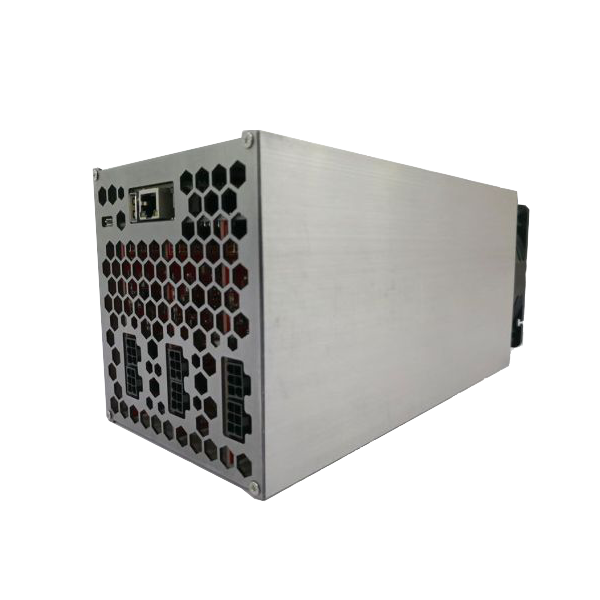
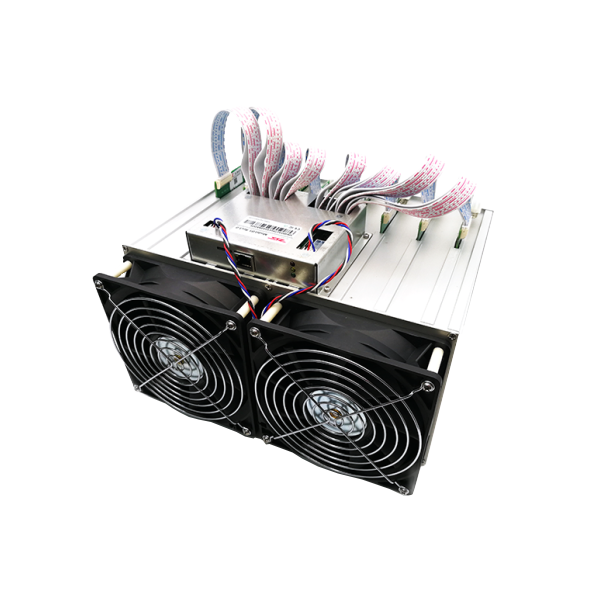
Baikal BK-X vs Dayun Zig D1
Side-by-side specs, profitability, and home mining comparison.
Specifications Comparison
| Baikal BK-X | Specification | Dayun Zig D1 |
|---|---|---|
| 10.0 GH/s | Hashrate | 48.0 GH/s |
| 630 W | Power Consumption | 2,200 W |
| 63,000.0 J/TH | Efficiency | 45,833.3 J/TH |
| — | Noise Level | — |
| 3,700.0 kg | Weight | 9,850.0 kg |
| 2,150 BTU/hr | BTU Output | 7,506 BTU/hr |
| 30/100 | Home Mining Score | 26/100 |
| — | Release Year | — |
| X11 | Algorithm | X11 |
| Baikal | Manufacturer | Dayun |
Profitability Comparison
Baikal BK-X
Dayun Zig D1
Based on BTC price of $66,315 and current network difficulty as of Mar 28, 2026. Actual results vary.
Verdict
Based on our multi-factor analysis, the Dayun Zig D1 wins on 2 of 4 factors (efficiency, hashrate). The Baikal BK-X holds the edge in power consumption and home mining score. Review the detailed specs and profitability calculations above to determine which miner best fits your specific setup.
Best For...
Best for Profitability
TieBoth miners produce similar daily profit.
Best for Home Mining
Baikal BK-XScore: 30/100. 0 dB noise level.
Best for Efficiency
Dayun Zig D145,833.3 J/TH — lower electricity cost per terahash.
Frequently Asked Questions
Is the Baikal BK-X or Dayun Zig D1 more profitable?
At the current BTC price and a $0.10/kWh electricity rate, the Baikal BK-X is more profitable at $-1.51/day compared to $-5.28/day for the Dayun Zig D1. Profitability depends heavily on your electricity rate — use the selector above to calculate with your actual costs.
Which is quieter, the Baikal BK-X or Dayun Zig D1?
Both miners have similar noise levels. Check the specs table above for exact decibel readings.
Which is better for home mining, the Baikal BK-X or Dayun Zig D1?
The Baikal BK-X scores 30/100 on our Home Mining Score (vs 26/100 for the Dayun Zig D1). This composite score factors in noise, power requirements, heat output, size, and setup ease — all critical for residential mining.
What is the efficiency difference between Baikal BK-X and Dayun Zig D1?
The Baikal BK-X runs at 63,000.0 J/TH while the Dayun Zig D1 runs at 45,833.3 J/TH — a difference of 17,166.7 J/TH. Lower efficiency means less electricity per terahash of mining power, directly reducing operating costs.