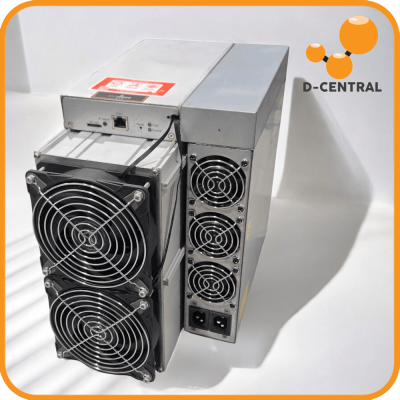
Every ASIC miner that rolls off an assembly line is destined for a brutal life. Running 24/7 at 70-80°C, pulling thousands of watts, hashing trillions of times per second — these machines are pushed harder than any consumer electronics on the planet. Eventually, components fail. Hashboards degrade. Fans seize. Power supplies pop.
Most operations treat a failed miner as e-waste. We treat it as an opportunity.
At D-Central Technologies, we have been repairing, refurbishing, and resurrecting Bitcoin mining hardware since 2016. Our ASIC repair team has brought thousands of miners back from the dead — and in many cases, made them perform better than they did on day one. This is what it means to be Bitcoin Mining Hackers: we take institutional-grade technology and hack it into reliable, optimized machines for home miners and small operations across Canada and beyond.
This guide breaks down exactly how professional ASIC repair specialists enhance refurbished mining hardware, why refurbished units deserve serious consideration, and what to look for when choosing a repair partner.
Why Refurbished Mining Hardware Matters in 2026
The Bitcoin network currently hashes at over 800 EH/s. The block reward sits at 3.125 BTC after the April 2024 halving. New-generation machines like the Antminer S21 series command premium prices, and lead times from manufacturers can stretch for months.
Refurbished hardware changes the equation entirely. A properly repaired and tested Antminer S19j Pro or Whatsminer M30S++ can deliver solid hashrate at a fraction of new-unit pricing. For home miners running Bitcoin space heaters or small-scale setups, refurbished units offer the best watt-per-dollar entry point into the network.
But here is the catch: a refurbished miner is only as good as the repair work behind it. This is where ASIC repair specialists earn their keep.
What ASIC Repair Specialists Actually Do
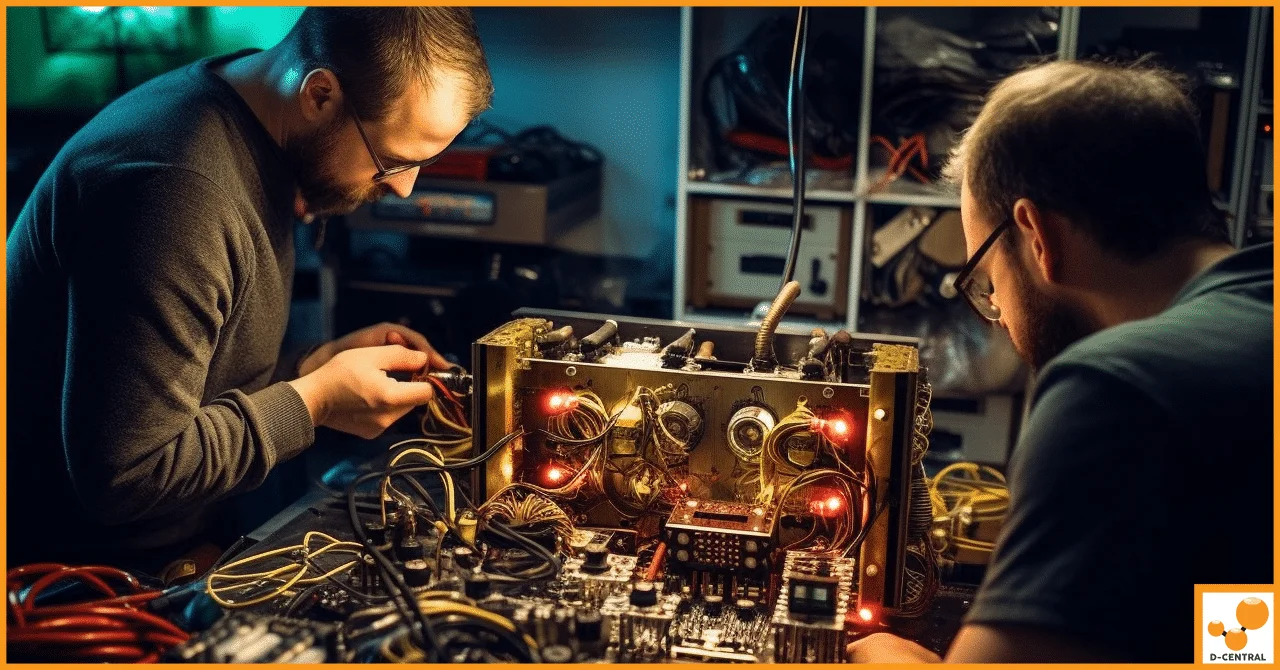
ASIC repair is not consumer electronics repair. You cannot watch a YouTube video and start swapping BM1397 chips on a hashboard. This is precision work that demands specialized diagnostic equipment, component-level soldering skills, and deep knowledge of how mining firmware, power delivery, and thermal management interact.
Here is a breakdown of the core services that define professional ASIC repair:
Hashboard-Level Diagnostics
Every refurbishment starts with diagnostics. Using test fixtures, thermal cameras, and signal analyzers, repair specialists identify exactly which ASIC chips have degraded, which voltage domains have failed, and whether the PCB itself has sustained damage. This is not guesswork — it is systematic fault isolation that determines whether a board is repairable or should be harvested for parts.
Component-Level Repair
Failed ASIC chips, blown MOSFETs, damaged coupling capacitors, corroded solder joints — all of these get addressed at the component level. Professional repair shops maintain inventories of donor chips and replacement components specifically for this purpose. A single hashboard can contain 30-80+ ASIC chips, and replacing even one dead chip can restore an entire chain to full operation.
Control Board Repair and Firmware
The control board is the brain of the miner. NAND flash corruption, Ethernet controller failures, and damaged SD card slots are common failure modes. Repair specialists reflash firmware, replace damaged ICs, and ensure the control board communicates properly with all hashboards. For older models, custom firmware like Braiins OS or VNish can unlock features the stock firmware never offered — including underclocking for space heater applications and improved efficiency tuning.
Power Supply Unit (PSU) Testing
A failing PSU can destroy hashboards. Every refurbished unit should have its PSU load-tested at full draw before being declared ready. This means verifying all voltage rails under load, checking ripple with an oscilloscope, and confirming that overcurrent protection circuits are functional. Skipping PSU testing is the number-one shortcut that separates amateur refurbishment from professional work.
Thermal Management Overhaul
Thermal paste dries out. Heatsink compound degrades. Fans accumulate dust and their bearings wear. A thorough refurbishment includes reapplying thermal interface material, cleaning or replacing fans, and verifying that intake and exhaust temperatures fall within spec under sustained load.
Refurbished vs. New: The Real Comparison
| Factor | Professionally Refurbished | New From Manufacturer |
|---|---|---|
| Upfront Cost | 40-70% of new price | Full MSRP + shipping |
| Lead Time | Days to weeks | Weeks to months |
| Performance | 90-100% of rated hashrate | 100% of rated hashrate |
| Quality Assurance | Full diagnostic + burn-in test | Factory QC (variable) |
| Custom Firmware | Often pre-installed | Stock only |
| Environmental Impact | Reduced e-waste | New manufacturing resources |
| Warranty | Repair shop warranty (varies) | Manufacturer warranty |
The key takeaway: when the repair work is done right, refurbished miners deliver exceptional value. The savings on hardware can be redirected to what actually matters — electricity costs, which are the dominant ongoing expense for any mining operation.
The D-Central Approach to ASIC Refurbishment
We are not a generic electronics repair shop that happens to accept mining hardware. D-Central Technologies has been embedded in the Bitcoin mining ecosystem since 2016. Our repair facility in Montreal, Quebec processes miners from across Canada and internationally, and our team has hands-on experience with virtually every major ASIC model on the market.
Here is what sets our process apart:
Full-Spectrum Manufacturer Coverage
We repair hardware from Bitmain (Antminer series), MicroBT (Whatsminer series), Canaan (Avalon series), and Innosilicon. Our ASIC repair service page lists 60+ model-specific repair guides — because every model has its own failure patterns, its own quirks, and its own repair procedures. An S9 hashboard is a completely different beast from an S19 hashboard, and treating them the same is a recipe for disaster.
Burn-In Testing
Every refurbished unit goes through extended burn-in testing before it ships. We do not just power it on and check that it hashes — we run it under full load for an extended period, monitoring hashrate stability, temperature profiles, and power consumption. If a unit is going to fail, we want it to fail in our shop, not in your home.
Custom Configuration for Home Mining
Many of our customers are home miners who need their hardware configured for residential environments. That means underclocking for lower noise and heat output, configuring efficient firmware, and setting up machines for dual-purpose space heater operation. This is a service that bulk refurbishers simply do not offer — they ship units at stock settings and call it a day.
Parts Ecosystem
We maintain an extensive inventory of replacement parts: hashboards, control boards, fans, PSUs, ASIC chips, and passive components. Visit our shop to see what is currently available. When a repair requires a part, we source it from our own stock rather than making you wait weeks for overseas shipping.
Common ASIC Failure Modes and How Repair Extends Lifespan
Understanding what kills mining hardware helps you appreciate what repair specialists do to prevent it. Here are the most common failure modes we encounter:
| Failure Mode | Root Cause | Repair Approach |
|---|---|---|
| Dead ASIC chips | Thermal cycling, power surges, manufacturing defects | Identify failed chips via test fixture, replace with donor or new chips, reflow solder |
| Hashboard not detected | Broken signal chain, damaged connector, blown voltage regulator | Trace signal path, repair or replace damaged components, reseat connectors |
| Overheating / thermal shutdown | Degraded thermal paste, fan failure, dust accumulation | Clean unit, replace thermal interface material, install new fans |
| PSU failure | Capacitor degradation, voltage regulator failure, power surge | Load-test PSU, replace failed components, or swap entire unit |
| Firmware corruption | Power loss during update, NAND flash wear, SD card failure | Reflash firmware via UART/SD, replace NAND flash IC if needed |
| Low hashrate / high error rate | Degraded chips, loose connections, suboptimal frequency settings | Diagnostic scan, replace degraded chips, optimize frequency and voltage |
Every one of these issues is addressable by a skilled repair team. What would otherwise be a write-off becomes a fully functional miner with years of remaining service life.
Choosing a Repair Partner: What to Look For
Not all ASIC repair shops are created equal. When evaluating a service provider, these are the factors that matter:
Model-specific expertise. A shop that claims to repair “all miners” without demonstrating deep knowledge of specific models and their failure patterns is a red flag. Look for documented experience with the exact hardware you need repaired.
Transparent process. You should know exactly what diagnostics will be performed, what the typical turnaround time is, and what the pricing structure looks like. Hidden fees and vague timelines indicate a shop that is learning on your hardware.
Parts availability. A well-equipped repair shop maintains parts inventory. If they have to order every component from Shenzhen before starting your repair, you are looking at weeks of additional delay.
Post-repair testing. Ask specifically about burn-in testing. A quick power-on check is not sufficient. Extended load testing catches intermittent failures that would otherwise show up at your location.
Mining industry knowledge. Your repair partner should understand the mining ecosystem — difficulty adjustments, firmware options, pool configurations, and efficiency tuning. Generic electronics repair technicians lack this context.
D-Central checks every one of these boxes. Our mining consulting team can also advise on whether a repair makes economic sense for your specific hardware, or whether upgrading to a newer model offers better ROI.
The Sustainability Argument for Refurbished Mining Hardware
There is a narrative pushed by mainstream media that Bitcoin mining is wasteful. We disagree — but we also believe the mining industry has a responsibility to minimize unnecessary e-waste.
Every miner that gets refurbished instead of scrapped represents silicon, copper, aluminum, and rare earth materials that stay in productive use. In Canada, where we enjoy abundant hydroelectric power in Quebec and competitive electricity rates, running refurbished hardware on clean energy is about as sustainable as mining gets.
Refurbished miners also serve a decentralization function. When only the latest-generation hardware is economically viable, mining centralizes around the operators who can afford the newest machines. Making older-generation hardware viable through professional repair and efficiency tuning keeps more independent miners on the network — and a more decentralized network is a more resilient network.
This is the core of what D-Central stands for: decentralization of every layer of Bitcoin mining. From our hosting facility in Quebec to our repair shop in Montreal, everything we do is aimed at keeping more hashrate in the hands of individual Bitcoiners.
Getting Started with Refurbished Hardware
If you are considering refurbished mining hardware, here is a practical path forward:
1. Define your use case. Are you mining at scale, running a home heating setup, or solo mining for the thrill of hitting a block? Each use case demands different hardware and different optimization targets.
2. Check our inventory. Browse the D-Central shop for available refurbished miners, parts, and accessories. If you are interested in open-source mining, our Bitaxe Hub is the most comprehensive resource on the web for Bitaxe solo miners and accessories.
3. Send in your hardware. Already own miners that need repair? Ship them to our facility in Montreal, QC and our team will diagnose, quote, and repair. Visit our ASIC repair page for model-specific information and the intake process.
4. Consult our team. Not sure what hardware makes sense for your situation? Our consulting service exists exactly for this — we help you make data-driven decisions about hardware, hosting, and operational strategy.
FAQ
What types of mining hardware can ASIC repair specialists refurbish?
Professional ASIC repair shops like D-Central work on hardware from all major manufacturers: Bitmain Antminer (S9, S17, S19, S21 series), MicroBT Whatsminer (M30, M50, M60 series), Canaan Avalon, and Innosilicon. This includes hashboard repair, control board repair, PSU testing, and full unit refurbishment. D-Central maintains 60+ model-specific repair procedures covering the most commonly deployed mining hardware.
How does refurbished mining hardware compare to new in terms of performance?
A professionally refurbished miner typically delivers 90-100% of its original rated hashrate. The key differentiator is the quality of the repair work — component-level diagnosis, proper chip replacement, thermal management overhaul, and extended burn-in testing ensure that refurbished units perform reliably. In many cases, custom firmware installed during refurbishment can improve efficiency beyond stock settings.
Is it worth repairing an older ASIC miner like the Antminer S9?
It depends on your use case and electricity cost. The S9 is no longer competitive for pure profit-driven mining at typical electricity rates. However, S9 units remain excellent for dual-purpose applications like Bitcoin space heaters, where the heat output is the primary value and the Bitcoin earned is a bonus. D-Central specializes in configuring older-generation hardware for exactly these types of home mining applications.
How long does a typical ASIC repair take?
Turnaround time depends on the severity of the issue and parts availability. Simple repairs like fan replacement or firmware reflash can be completed in 1-3 business days. Component-level hashboard repair typically takes 5-10 business days. Complex multi-board repairs may take longer. D-Central provides a diagnostic report and timeline estimate before beginning any repair work.
What should I look for when buying refurbished mining hardware?
Ask the seller about their testing process — specifically, whether units undergo extended burn-in testing under full load. Verify that the refurbisher has model-specific expertise (not just generic electronics repair). Check whether a warranty is included. And confirm whether the unit has been cleaned, re-pasted, and had fans inspected or replaced. A reputable refurbisher like D-Central documents all work performed and provides post-sale support.
Does D-Central offer ASIC repair services for customers outside Canada?
Yes. While our repair facility is located in Montreal, Quebec, we accept hardware from customers across North America and internationally. Customers ship their units to our facility, we perform diagnostics and repair, and ship them back. Contact us through our ASIC repair page to discuss logistics and get a shipping quote.