The used Antminer market is a minefield. For every legitimate deal on a refurbished S19, there are ten listings hiding dead hashboards, corroded heatsinks, and ASIC chips running on borrowed time. But here is the thing most guides will not tell you: a used Antminer purchased from the right source, inspected by someone who actually knows what they are looking at, can be one of the smartest moves a home miner makes in 2026.
At D-Central Technologies, we have been repairing, refurbishing, and shipping Antminers since 2016. We have opened thousands of these machines. We know exactly what kills them, what keeps them running, and what separates a genuine deal from expensive scrap metal. This guide gives you the real picture — no fluff, no hype, just the technical reality of buying used mining hardware.
The State of Used Antminer Hardware in 2026
Bitcoin’s network hashrate now exceeds 800 EH/s, with mining difficulty pushing past 110 trillion. The block reward sits at 3.125 BTC following the April 2024 halving. These numbers matter because they define the economic reality every miner — new or used hardware — operates within.
Here is what has changed in the used market: the post-halving shakeout pushed enormous volumes of institutional hardware onto the secondary market. Miners running older S19 and S19j Pro units at industrial electricity rates found their margins evaporating. That hardware flooded resale channels. For home miners with access to cheap power — especially in Canada where hydroelectric rates can dip below $0.06/kWh — this created a genuine opportunity window.
The Antminer S19 series (88-110 TH/s at 29-34 J/TH) now sells used for a fraction of its original price. The S19j Pro, once a $10,000+ machine, trades at prices that make the math work for residential mining — particularly when you factor in heat recapture during Canadian winters.
But cheap does not mean good. The condition of that hardware depends entirely on where it ran, how it was maintained, and who inspected it before it reached you.
What Actually Kills a Used Antminer
Forget the generic advice about “checking for wear and tear.” Here is what we see on the repair bench every single day at our facility in Laval, Quebec.
Hashboard Degradation
The hashboards are where the money is made — and lost. Each Antminer runs three hashboards populated with dozens of ASIC chips. Over time, individual chips can fail, domains can drop offline, and solder joints can crack from thermal cycling. A machine advertising 95 TH/s might actually deliver 70 TH/s because an entire hashboard domain is dead. You will not see this in a listing photo.
The only way to catch this is running the machine on a test bench and reading the kernel log. Chip temperatures, hash distribution across domains, and error rates tell the real story. This is standard procedure in our ASIC repair workflow — and it is exactly what separates a professional refurbisher from someone flipping machines out of a garage.
Fan and Thermal System Wear
Antminer fans are rated for roughly 50,000 hours. A machine running 24/7 for two years has already consumed 17,500 hours of that lifespan. Worn fan bearings cause increased noise, reduced airflow, and elevated chip temperatures that accelerate ASIC degradation. Replacing fans is cheap — about $15-30 per fan — but many sellers skip this step entirely.
PSU Fatigue
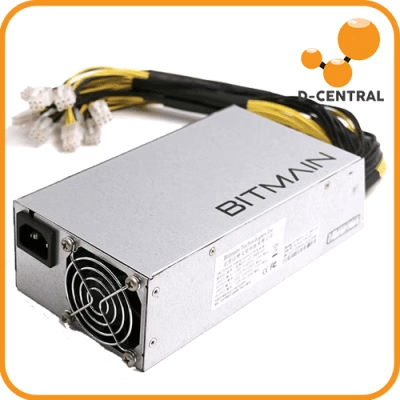
The APW power supplies that ship with Antminers degrade over time, especially the capacitors. A PSU operating at 95% efficiency when new might be delivering 88-90% after 30,000+ hours. That efficiency loss translates directly to higher electricity bills and more waste heat. Worse, a failing PSU can cause voltage instability that damages hashboards.
Environmental Damage
Machines that ran in dusty, humid, or corrosive environments show it on the board level. Salt air near coastal facilities, agricultural dust, and high-humidity storage all leave their marks. Corrosion on connector pins, capacitor leads, and ASIC chip pads is invisible in photos but catastrophic in operation.
The Real Checklist: What to Inspect Before You Buy
If you are buying a used Antminer from any source, these are the non-negotiable inspection points:
Physical Inspection
- Hashboard connectors: Look for discoloration, bent pins, or signs of forced reconnection. Damaged connectors cause intermittent hashboard detection failures.
- Heatsink integrity: Check that heatsinks are firmly bonded to ASIC chips. Loose or detached heatsinks mean thermal throttling and chip death.
- Board-level corrosion: Inspect PCB traces and component leads under good lighting. Even light green oxidation on copper traces signals moisture exposure.
- Fan condition: Spin each fan by hand. Grinding, wobble, or resistance means replacement is needed.
- Cable condition: Frayed or heat-damaged power cables are a fire risk, full stop.
Operational Testing
- Run for 24+ hours: Short test runs hide intermittent failures. Chips that pass a 30-minute test can still fail under sustained load.
- Check all three hashboards: The miner status page should show all hashboards detected with chip counts matching the expected total for that model.
- Monitor chip temperatures: Sustained temps above 85C under normal ambient conditions indicate thermal system problems.
- Read error rates: Hardware errors (HW) above 1-2% of total shares indicate failing chips or poor connections.
- Verify actual hashrate: Compare the reported hashrate against the model specification. A 10% deficit is acceptable; 20%+ signals serious issues.
Used Antminers as Bitcoin Space Heaters: The Home Mining Play
Here is where used Antminers become genuinely compelling for the home mining community, and why D-Central has invested heavily in this category.
A used Antminer S19 consumes approximately 3,250 watts. Every watt consumed by an ASIC miner converts to heat at nearly 100% efficiency — that is basic thermodynamics. In a Canadian winter, that heat has real economic value. Instead of paying for electric baseboard heating or running a natural gas furnace, you can run a miner that heats your space while simultaneously stacking sats.
Our Bitcoin Space Heater lineup builds on exactly this principle. We take proven Antminer platforms — including the S9, S17, and S19 series — and configure them for residential deployment. Noise reduction, voltage optimization, and duct-compatible shrouds transform an industrial mining machine into a home heating system that pays for itself.
The math is straightforward: if you are already spending $200-400/month on heating during a Canadian winter, redirecting that energy spend through a Bitcoin miner means your heating cost becomes your mining investment. The Bitcoin you earn is the “discount” on your heating bill. With used hardware at current secondary market prices, the effective heating cost can drop to near zero — or even go negative during favorable difficulty and price conditions.
Where Used Hardware Fits in the 2026 Mining Landscape
The Efficiency Spectrum
New-generation machines like the Antminer S21 deliver around 15 J/TH — roughly twice as efficient as the S19 series at 29-34 J/TH. For industrial mining operations paying $0.04-0.07/kWh, that efficiency gap is the difference between profit and loss. At those margins, used S19s are uneconomical.
But the calculation shifts dramatically for home miners with specific advantages:
- Heat recapture value: When the heat has economic value (displacing existing heating costs), the effective electricity cost drops substantially.
- Low electricity rates: Canadian provinces like Quebec and Manitoba offer residential rates that make older hardware viable.
- Sovereignty premium: Running your own miner, pointed at your own node, contributing to network decentralization — that has value beyond the pure hashrate economics.
- Learning platform: A used S9 or S19 is the best hands-on education in Bitcoin mining. Breaking, fixing, optimizing, and understanding the hardware teaches more than any course.
The Decentralization Argument
Every hash matters. When home miners run even modestly efficient hardware, they contribute to geographic and political decentralization of Bitcoin’s hashrate. A network where 100,000 home miners each run a single used Antminer is more resilient than one where the same total hashrate concentrates in five industrial facilities. Used hardware, by making mining accessible at lower price points, directly serves Bitcoin’s decentralization mission.
This is core to what D-Central stands for. The founder of D-Central built this company on the conviction that Bitcoin mining should not be the exclusive domain of venture-backed data centers. Used and refurbished hardware is one of the most practical tools for putting hashrate in the hands of individuals.
How D-Central Refurbishes Antminers
We do not just wipe down a machine and relist it. Our refurbishment process at our Laval, Quebec facility follows a systematic protocol developed over eight years of ASIC repair work.
Stage 1: Intake and Diagnostics
Every machine gets a full diagnostic workup. We connect it to our test bench, boot it up, and run it for a minimum burn-in period. We log chip-by-chip temperature data, hashrate distribution across all domains, fan RPM curves, and PSU output voltage under load. Machines that fail diagnostics go to the repair bench — they do not go to customers.
Stage 2: Component-Level Repair
Failed ASIC chips get replaced. Cracked solder joints get reflowed or reballed. Damaged connectors get swapped. Worn fans get replaced with new units. We replace thermal compound on heatsinks that show degraded thermal interface material. If a hashboard is beyond economical repair, we source a replacement board and validate the full machine again.
Stage 3: Firmware and Configuration
We flash current firmware, configure the machine for optimal performance, and verify that all management interfaces function correctly. For machines destined for home mining, we may install custom firmware that enables underclocking and voltage tuning for noise and power reduction.
Stage 4: Quality Assurance and Stress Testing
After repair and configuration, the machine goes back on the test bench for an extended stress test. We verify that the actual hashrate meets the target specification within acceptable tolerance, that all three hashboards remain stable, and that thermal performance is within spec. Only then does the machine get cleared for sale.
This is the same repair infrastructure that powers our ASIC repair service — the most comprehensive in Canada, with specific repair pages covering 38+ Antminer, Whatsminer, and Avalon models.
Where to Buy — and Where to Avoid
Red Flags in the Used Market
- No operational testing provided: If the seller cannot show the machine running with real hashrate data, walk away.
- Stock photos only: You should see photos of the actual unit, including the hashboard connectors and control board.
- “Untested” or “as-is” listings: This is code for “probably broken.” The discount is never worth the repair cost gamble.
- No return policy: Even a short return window signals the seller has confidence in the hardware.
- Prices significantly below market: If a deal looks too good to be true in the ASIC market, it always is.
Why Buying from D-Central Is Different
When you buy a refurbished Antminer from D-Central’s shop, you are getting hardware that has been through a professional repair facility. Every machine has been diagnosed, repaired as needed, stress-tested, and validated by technicians who repair ASICs for a living. You also get:
- Real support: Our team can walk you through setup, troubleshooting, firmware configuration, and optimization. We know these machines inside and out because we fix them every day.
- Repair continuity: If something fails down the road, you already have a relationship with the best ASIC repair shop in Canada. We stock parts, we know your machine’s history, and we can turn repairs around fast.
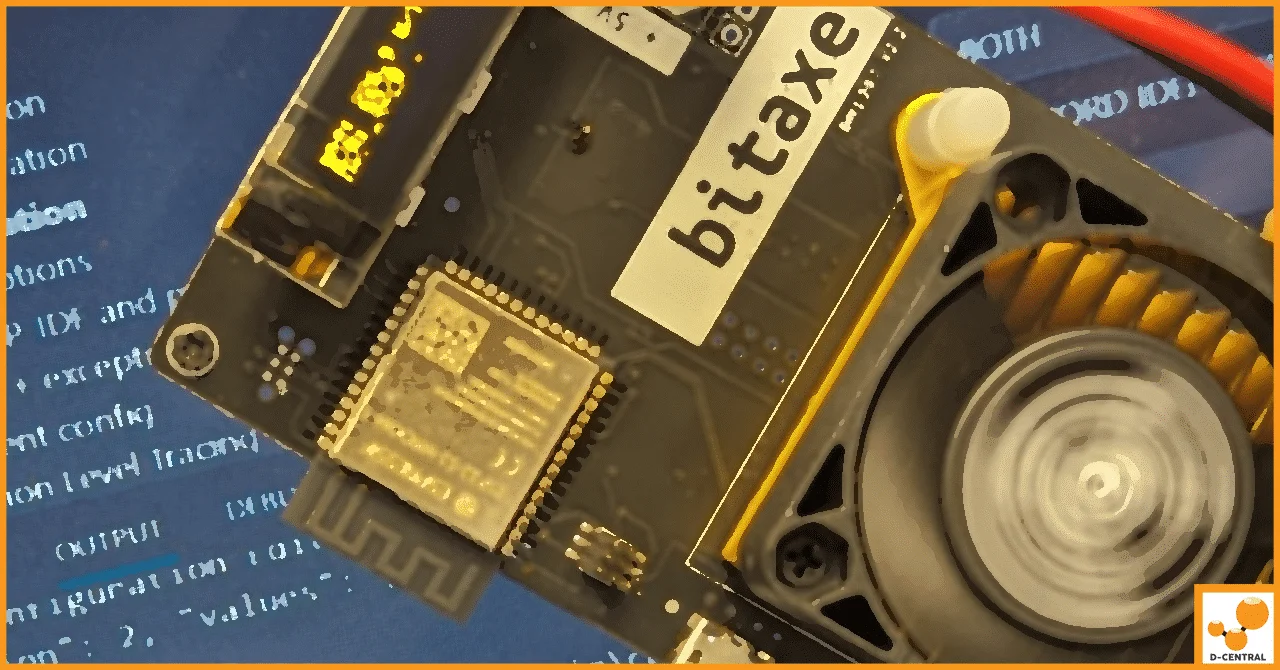
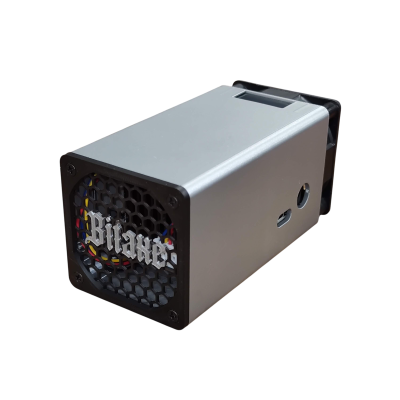
- Mining expertise: Need help setting up hosting in Canada? Want to convert your miner into a space heater? Looking to add a Bitaxe for solo mining alongside your Antminer? We cover the full spectrum.
The Verdict: Is a Used Antminer Worth It in 2026?
The honest answer: it depends on your situation, your electricity rate, and where you source the hardware.
A used Antminer is worth it if:
- You have access to electricity at or below $0.08/kWh
- You can recapture the heat (home heating, garage, workshop, greenhouse)
- You buy from a source that provides diagnostic data and real testing
- You understand that you are optimizing for sovereignty and learning, not purely for maximum hashrate efficiency
- You want to contribute to Bitcoin’s decentralization with hardware you actually control
A used Antminer is NOT worth it if:
- You are paying above $0.12/kWh with no heat recapture
- You are buying “as-is” from an unknown seller on a marketplace
- You expect the machine to compete with current-generation efficiency
- You have zero technical willingness to learn basic miner management
For the right home miner, in the right conditions, a professionally refurbished Antminer from a trusted source is not just “worth it” — it is the most practical entry point into real Bitcoin mining. You get skin in the game with real hashrate pointed at the Bitcoin network, contributing to decentralization while potentially heating your home and stacking sats.
That is the Mining Hacker way. Institutional-grade technology, hacked for the individual. Used hardware is not a consolation prize — it is a strategic tool for sovereign Bitcoin miners.
Frequently Asked Questions
How long does a used Antminer typically last after refurbishment?
With professional refurbishment — replacing worn fans, failed chips, and degraded thermal compound — a used Antminer can reliably operate for 3-5+ additional years. The key factor is the condition of the ASIC chips themselves. Chips that pass a 24-hour stress test at full load without elevated error rates generally continue performing well. D-Central’s refurbishment process specifically targets all common failure points to maximize remaining operational life.
What is the most cost-effective used Antminer model for home mining in 2026?
The Antminer S19j Pro (100-104 TH/s at ~29.5 J/TH) currently offers the best balance of hashrate, efficiency, and secondary market pricing for home miners. The S19 (95 TH/s at ~34 J/TH) is a close second at lower price points. For heat-recapture applications like Bitcoin Space Heaters, even the older S17 series remains viable because the heat value offsets the lower mining efficiency.
Can I use a used Antminer as a home heater?
Absolutely. Every watt an Antminer consumes converts to heat. D-Central’s Bitcoin Space Heater lineup is built on exactly this principle — proven Antminer platforms configured for residential deployment with noise reduction and duct-compatible shrouds. A single S19 produces roughly 11,000 BTU/hr of heat, equivalent to a medium-sized space heater, while simultaneously mining Bitcoin.
What should I check first when I receive a used Antminer?
Run the machine for at least 24 hours and verify three things: (1) all three hashboards are detected with correct chip counts, (2) the actual hashrate is within 10% of the rated specification, and (3) hardware error rates stay below 1-2% of total shares. Also check chip temperatures — sustained readings above 85C under normal ambient conditions signal thermal issues that need attention before extended operation.
Is it better to buy one new Antminer or multiple used ones for the same budget?
For home miners focused on heat recapture and decentralization, multiple used units often make more strategic sense. Two used S19s at lower cost can deliver combined hashrate comparable to a single new S21 while providing more heat output across multiple rooms. The tradeoff is lower J/TH efficiency, which matters less when heat value is factored in. Multiple units also provide redundancy — if one machine needs repair, the others keep hashing.
Does D-Central offer repairs if my used Antminer breaks down later?
Yes. D-Central operates Canada’s most comprehensive ASIC repair service from our facility in Laval, Quebec. We repair Antminers, Whatsminer, Avalon, and other major ASIC platforms with 60+ model-specific repair capabilities. If you purchase a refurbished machine from us, we already have your machine’s diagnostic history on file, which speeds up any future repair work.
What electricity rate do I need for a used Antminer to be profitable?
Without heat recapture, you generally need electricity below $0.08/kWh for an S19-class machine to mine profitably at current difficulty (~110T) and Bitcoin prices. With full heat recapture (displacing existing heating costs), the effective electricity cost drops significantly, making the math work at rates up to $0.12-0.15/kWh depending on your local heating fuel costs. Canadian provinces like Quebec, Manitoba, and British Columbia offer residential rates that fit well within these thresholds.
 Nerdaxe Gamma / Supra / Ultra — Silent Operation & Stable Overclocking" width="80" height="80" loading="lazy" style="width:80px;height:80px;object-fit:contain;border-radius:6px;background:#1A1A1A;flex-shrink:0;">
Shop Heatsinks
Nerdaxe Gamma / Supra / Ultra — Silent Operation & Stable Overclocking" width="80" height="80" loading="lazy" style="width:80px;height:80px;object-fit:contain;border-radius:6px;background:#1A1A1A;flex-shrink:0;">
Shop Heatsinks