
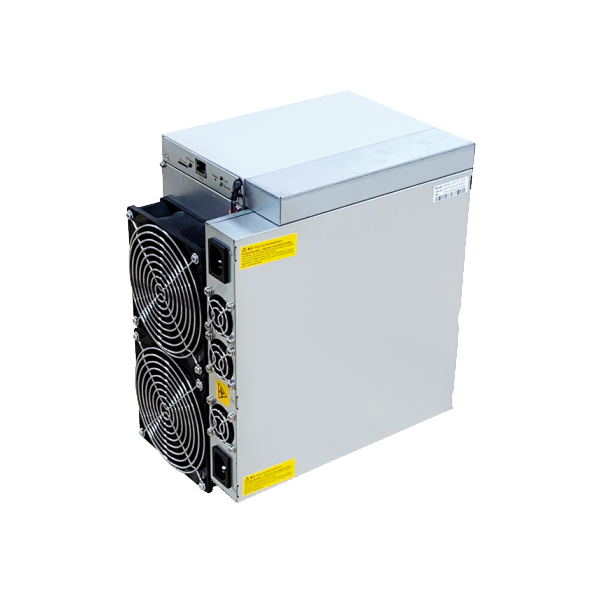
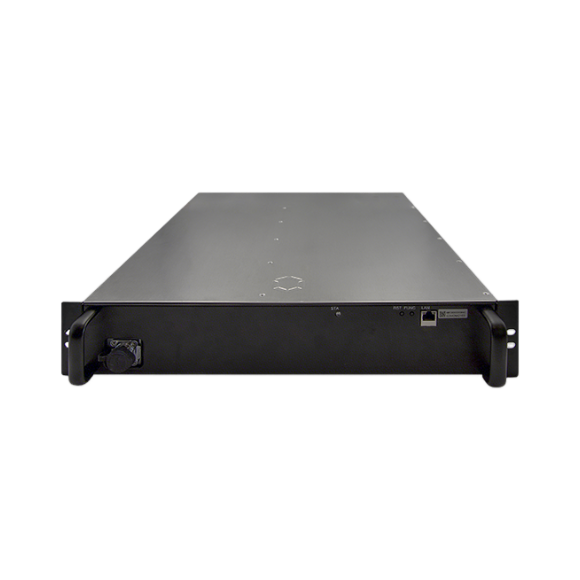
Bitmain Antminer T17+ (64Th) vs Canaan Avalon A1566HA 500T
Side-by-side specs, profitability, and home mining comparison.
Specifications Comparison
| Bitmain Antminer T17+ (64Th) | Specification | Canaan Avalon A1566HA 500T |
|---|---|---|
| 64.0 TH/s | Hashrate | 500.0 TH/s |
| 3,200 W | Power Consumption | 8,400 W |
| 50.0 J/TH | Efficiency | 16.8 J/TH |
| — | Noise Level | 40 dB |
| 10,000.0 kg | Weight | 20.0 kg |
| 10,918 BTU/hr | BTU Output | 28,661 BTU/hr |
| 22/100 | Home Mining Score | 51/100 |
| — | Release Year | — |
| SHA-256 | Algorithm | SHA-256 |
| Bitmain | Manufacturer | Canaan |
Profitability Comparison
Bitmain Antminer T17+ (64Th)
Canaan Avalon A1566HA 500T
Based on BTC price of $79,070 and current network difficulty as of May 15, 2026. Actual results vary.
Verdict
Based on our multi-factor analysis, the Canaan Avalon A1566HA 500T wins on 4 of 5 factors (efficiency, hashrate, home mining score, noise level). Where it pulls away hardest is 681% more hashrate (64.0 vs 500.0 TH/s). The Bitmain Antminer T17+ (64Th) claws back ground on power consumption. Cross-check the spec deltas and ROI table above against your own electricity rate before deciding.
Spec Deltas
Stripped to the numbers, this is how far apart the Bitmain Antminer T17+ (64Th) and Canaan Avalon A1566HA 500T sit on each measurable spec:
- Canaan Avalon A1566HA 500T 681% more hashrate (64.0 vs 500.0 TH/s)
- Bitmain Antminer T17+ (64Th) 62% better power draw (3,200 vs 8,400 W)
- Canaan Avalon A1566HA 500T 66% better efficiency (50.0 vs 16.8 J/TH)
- Canaan Avalon A1566HA 500T 100% better weight (10,000.0 vs 20.0 kg)
- Canaan Avalon A1566HA 500T 163% more heat output (10,918 vs 28,661 BTU/hr)
- Canaan Avalon A1566HA 500T 132% more home mining score (22.0 vs 51.0)
Cost & ROI Over Time
Hardware cost is only half the story — here is how each miner's upfront price plays out against cumulative profit at a $0.10/kWh rate.
| Bitmain Antminer T17+ (64Th) | Metric | Canaan Avalon A1566HA 500T |
|---|---|---|
| $75 | Upfront cost (MSRP) | — |
| -$5.35 | Daily net profit | -$1.97 |
| -$2,028 | Net after 1 year | -$718 |
| -$3,981 | Net after 2 years | -$1,436 |
| -$5,935 | Net after 3 years | -$2,153 |
| Does not pay back at current rates (negative daily profit) | Payback period | — |
Projections assume continuous operation, a flat $0.10/kWh rate, and no hardware degradation, pool fees, or BTC price change. Real-world ROI varies.
Best For...
Best for Profitability
TieBoth miners produce similar daily profit.
Best for Home Mining
Canaan Avalon A1566HA 500TScore: 51/100. 40 dB noise level.
Best for Efficiency
Canaan Avalon A1566HA 500T16.8 J/TH — lower electricity cost per terahash.
Frequently Asked Questions
Which makes more money, the Bitmain Antminer T17+ (64Th) or the Canaan Avalon A1566HA 500T?
At the current BTC price and a $0.10/kWh electricity rate, the Canaan Avalon A1566HA 500T is more profitable at $-1.97/day compared to $-5.35/day for the Bitmain Antminer T17+ (64Th). Profitability depends heavily on your electricity rate — use the selector above to calculate with your actual costs.
Bitmain Antminer T17+ (64Th) vs Canaan Avalon A1566HA 500T: which runs at a lower noise level?
The Canaan Avalon A1566HA 500T is quieter at 40 dB compared to the Bitmain Antminer T17+ (64Th) at 0 dB. For home mining, lower noise levels make a significant difference in livability.
Bitmain Antminer T17+ (64Th) vs Canaan Avalon A1566HA 500T: which fits a residential setup better?
The Canaan Avalon A1566HA 500T scores 51/100 on our Home Mining Score (vs 22/100 for the Bitmain Antminer T17+ (64Th)). This composite score factors in noise, power requirements, heat output, size, and setup ease — all critical for residential mining.
What is the efficiency difference between Bitmain Antminer T17+ (64Th) and Canaan Avalon A1566HA 500T?
The Bitmain Antminer T17+ (64Th) runs at 50.0 J/TH while the Canaan Avalon A1566HA 500T runs at 16.8 J/TH — a difference of 33.2 J/TH. Lower efficiency means less electricity per terahash of mining power, directly reducing operating costs. In relative terms that is 66% better efficiency (50.0 vs 16.8 J/TH).