Skip to content

We're upgrading our operations to serve you better. Orders ship as usual from Laval, QC. Questions? Contact us

Free shipping on orders over $500 CAD  |  Bitcoin accepted at checkout  |  Ships from Laval, QC

ASIC Hardware

Most Efficient Bitcoin Miners 2026: Complete J/TH Efficiency Ranking & Break-Even Analysis

· D-Central Technologies · 16 min read

Every miner obsesses over hashrate. Bigger numbers, faster machines, more terahashes. But the miners who actually turn a profit? They obsess over a different number entirely: joules per terahash (J/TH).
Efficiency is the single metric that separates profitable mining operations from expensive space heaters. A 200 TH/s machine running at 15 J/TH will generate more profit than a 300 TH/s beast running at 30 J/TH — every single day, at every electricity rate. That is not opinion. That is physics and math.
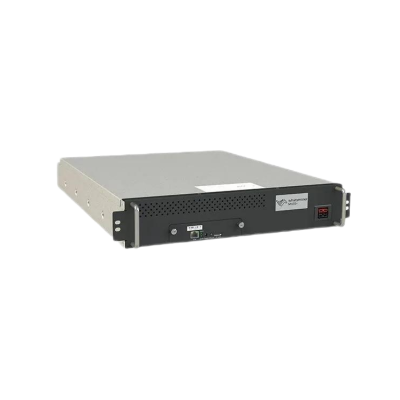
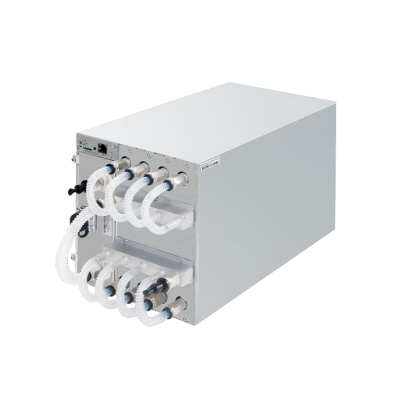
This guide ranks every major Bitcoin ASIC miner by efficiency, calculates break-even electricity rates for each one, and tells you exactly which machine to buy based on what you actually pay for power. If you have already read our Best Bitcoin Miners 2026 comparison and our Best Bitcoin Miners by Budget guide, consider this the final piece of the puzzle — the efficiency lens that determines whether your miner prints sats or burns cash.

Why Efficiency Matters More Than Hashrate
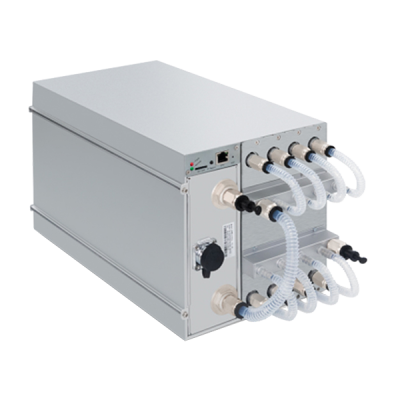
Hashrate tells you how fast a miner works. Efficiency tells you how much it costs to do that work. In a post-halving world where block rewards are 3.125 BTC, the margin between profit and loss is razor thin. Efficiency is what keeps you on the right side of that line.
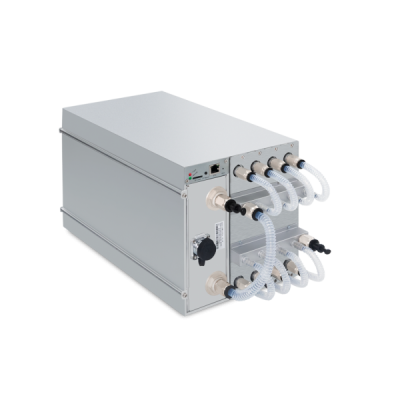
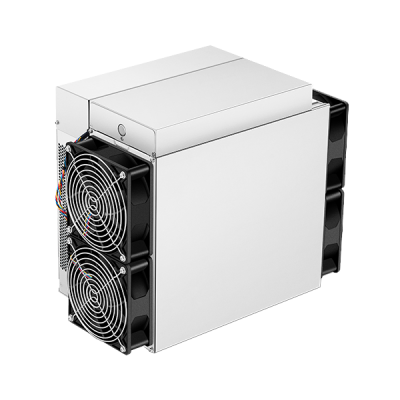
Here is why J/TH is the number that matters most:

The Math That Changes Everything

Consider two miners side by side:

MetricMiner AMiner B
Hashrate200 TH/s300 TH/s
Efficiency15 J/TH30 J/TH
Power Draw3,000W9,000W
Daily Power Cost ($0.10/kWh)$7.20$21.60
Daily BTC Revenue*~$10.80~$16.20
Daily Profit$3.60-$5.40 (LOSS)
*Estimated at ~$95,000 BTC, Feb 2026 difficulty. Revenue varies with network conditions.

Miner B has 50% more hashrate, but it loses money at $0.10/kWh while Miner A profits. The 300 TH/s number on the spec sheet means nothing when the electricity bill eats the revenue — and then some. This is not a hypothetical edge case. This is the reality for thousands of miners running older, inefficient hardware right now.

Efficiency Determines Your Break-Even Point

Every miner has a maximum electricity rate at which it can still break even. That ceiling is determined almost entirely by efficiency (J/TH), not hashrate. A miner running at 15 J/TH breaks even at roughly double the electricity rate compared to a miner at 30 J/TH — regardless of their hashrates.

For home miners in North America, this is existential. The average residential electricity rate in the US is roughly $0.13/kWh, and in Canada it ranges from $0.07 to $0.17/kWh depending on province. At these rates, anything above ~25 J/TH is running on razor margins or losing money outright. Check our Bitcoin Mining Electricity Cost by State & Province guide to find your exact rate.

Halvings Make Efficiency Non-Negotiable

Every four years, the block reward gets cut in half. The April 2024 halving dropped it to 3.125 BTC. That means every terahash earns half what it did before — but your electricity bill stays the same. The only machines that survive halvings are the efficient ones. The next halving in 2028 will drop the reward to 1.5625 BTC. If you are buying hardware today, you need efficiency that will still be profitable in two years. Plan accordingly — our 2028 halving preparation guide breaks down the math.

The 2026 Efficiency Leaderboard: Every Major Bitcoin Miner Ranked by J/TH

This is the table you came here for. Every major Bitcoin ASIC miner currently available, ranked from most efficient to least efficient. We include the full picture: hashrate, power consumption, efficiency, estimated price range, and who each miner is best suited for.

All efficiency numbers are based on manufacturer specifications at default settings. Real-world performance varies with ambient temperature, firmware, and power supply quality. Custom firmware like Braiins OS+ can improve these numbers by 5-15% — more on that later.

Tier 1: Ultra-Efficient (Under 18 J/TH)

These are the machines mining profitably at almost any electricity rate in North America. They represent the absolute cutting edge of ASIC efficiency.

ModelHashratePowerJ/THCoolingPrice Range (USD)Best For
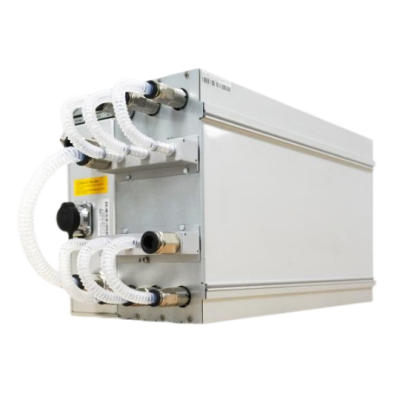
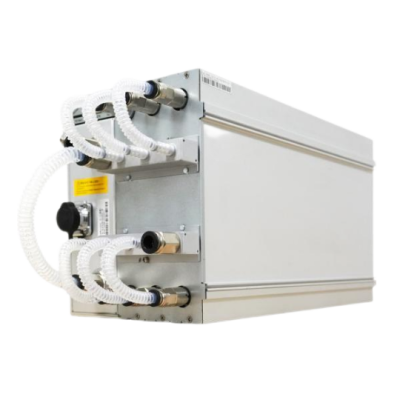
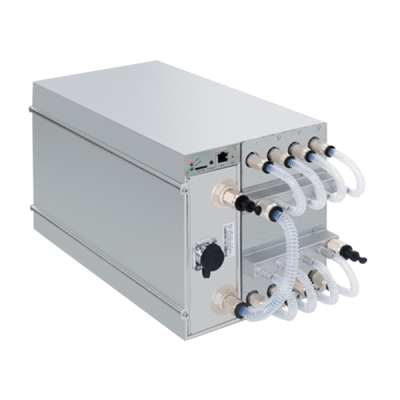
Antminer S21 XP Hyd473 TH/s5,676W12.0Hydro$12,000–$16,000Maximum efficiency, professional ops
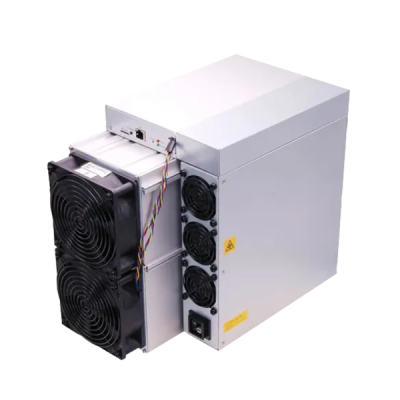
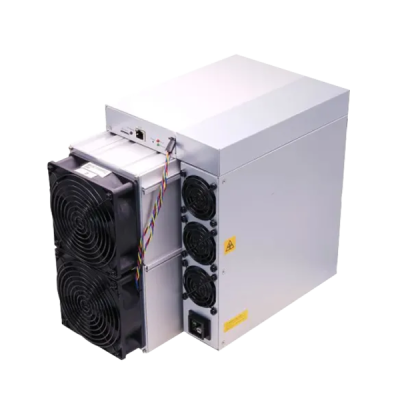
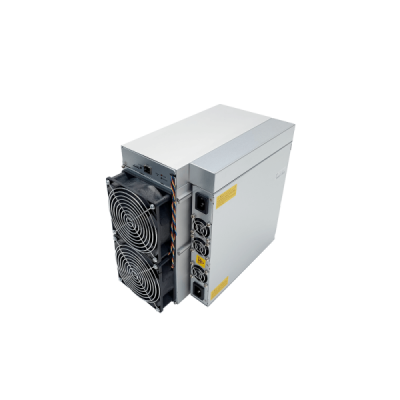
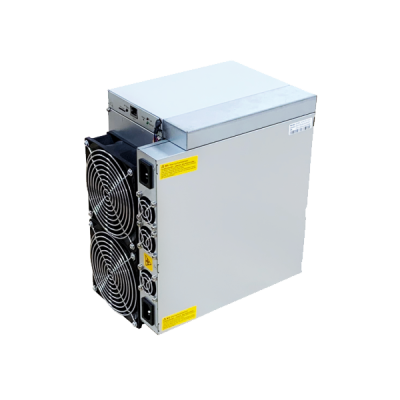
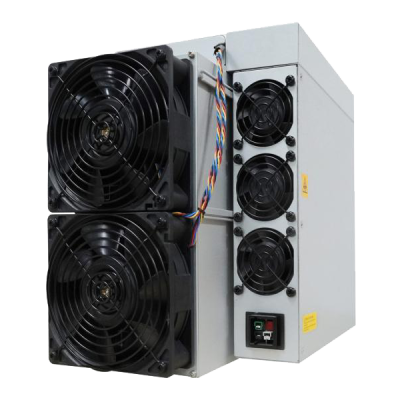
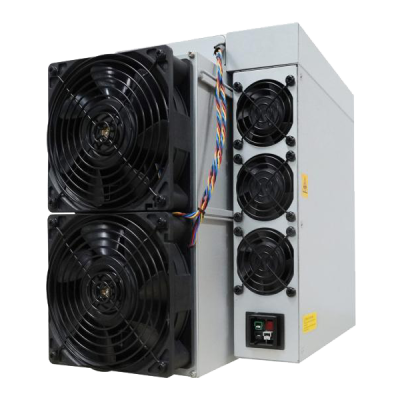
Antminer S21 Pro234 TH/s3,510W15.0Air$5,000–$7,000Best air-cooled efficiency, serious miners
Antminer S21 Hyd335 TH/s5,360W16.0Hydro$5,500–$7,500Hydro-cooled facilities, data centers
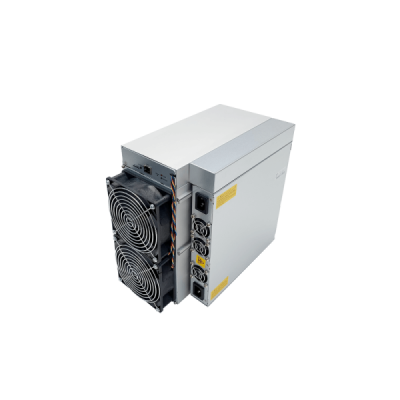
Antminer S21200 TH/s3,500W17.5Air$3,500–$5,000Excellent efficiency at moderate price

Tier 2: High-Efficiency (18–22 J/TH)

Solid efficiency that is profitable at most North American electricity rates. These miners hit a strong balance between cost and performance.

ModelHashratePowerJ/THCoolingPrice Range (USD)Best For
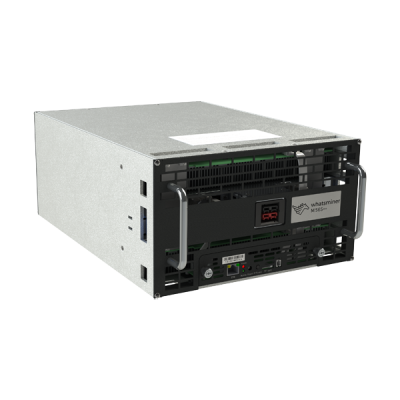
Whatsminer M63S Hydro390 TH/s7,020W18.0Hydro$7,000–$9,500MicroBT hydro deployments
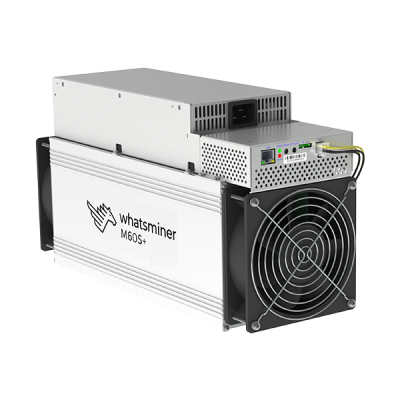
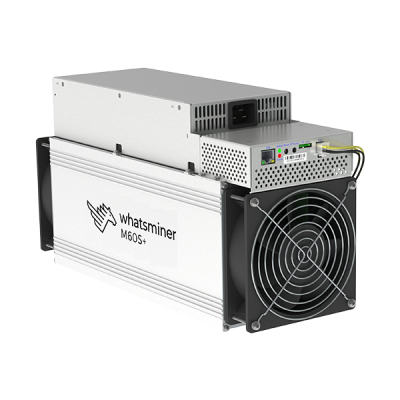
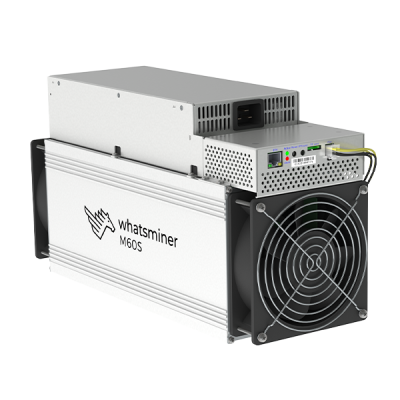
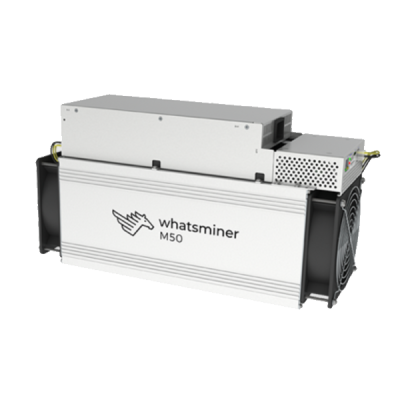
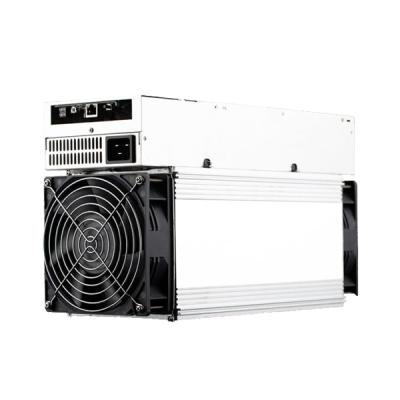
Whatsminer M60S186 TH/s3,441W18.5Air$3,000–$4,500MicroBT loyalists, competitive air-cooled
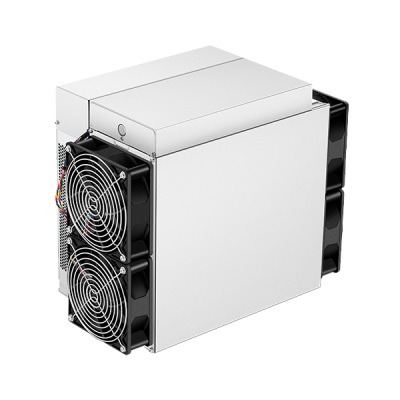
Antminer T21190 TH/s3,610W19.0Air$2,500–$3,800Budget-friendly current-gen efficiency
Whatsminer M56S Hydro230 TH/s4,600W20.0Hydro$3,000–$4,500Budget hydro deployments
Antminer S19 XP140 TH/s3,010W21.5Air$1,800–$2,800Previous-gen flagship, still solid

Tier 3: Moderate Efficiency (22–30 J/TH)

These miners need cheap electricity to remain profitable. Ideal for operators with power under $0.07/kWh, or for space heater conversions where the heat offsets the cost.

ModelHashratePowerJ/THCoolingPrice Range (USD)Best For
Antminer S19k Pro120 TH/s2,760W23.0Air$800–$1,400Budget mining, space heater conversion
Antminer S19j Pro+122 TH/s3,050W25.0Air$900–$1,500Improved S19j variant, decent value
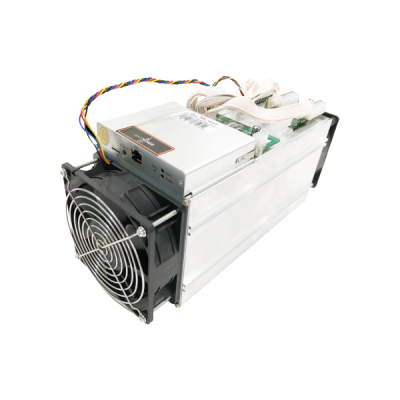
Antminer S19j Pro104 TH/s3,068W29.5Air$600–$1,000Budget entry, heat recapture

Tier 4: Legacy Efficiency (30+ J/TH)

These older machines are unprofitable for pure mining at most electricity rates. However, they still serve valuable purposes: Bitcoin space heaters (where heat output is the primary value), educational use, and operations with near-free electricity like flare gas or curtailed hydro.

ModelHashratePowerJ/THPrice Range (USD)Best For
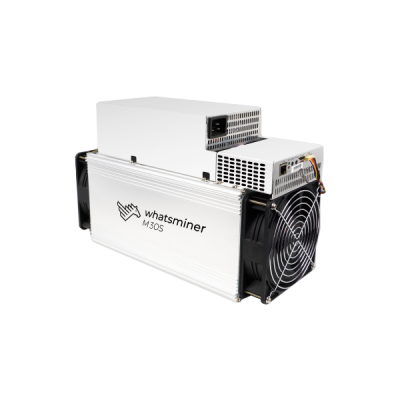
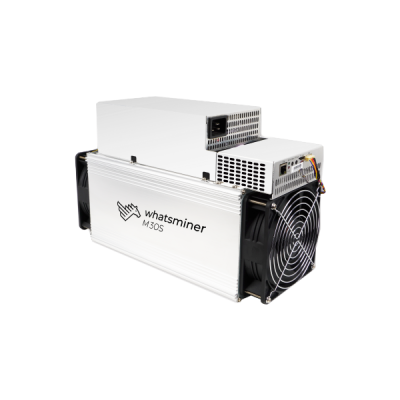
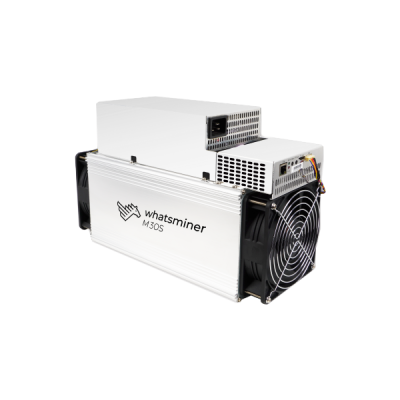
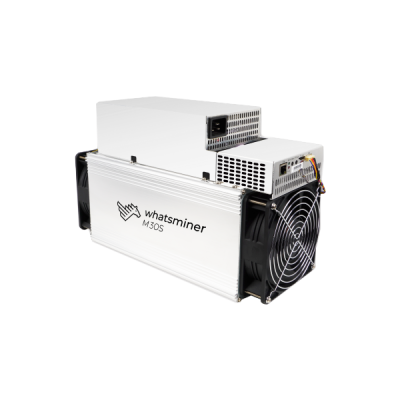
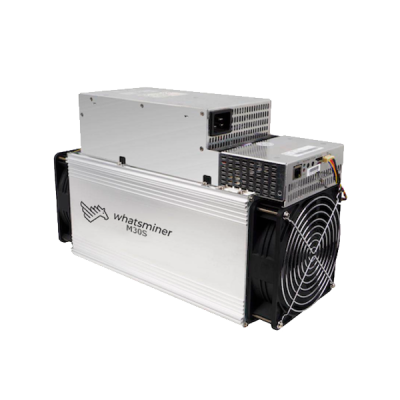
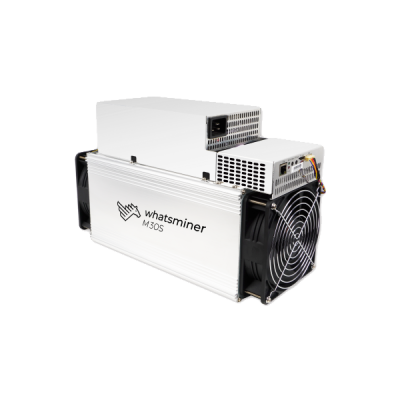
Whatsminer M30S++112 TH/s3,472W31.0$500–$900Lowest entry price, cheap power only
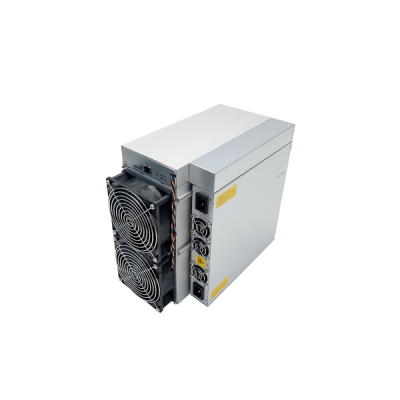
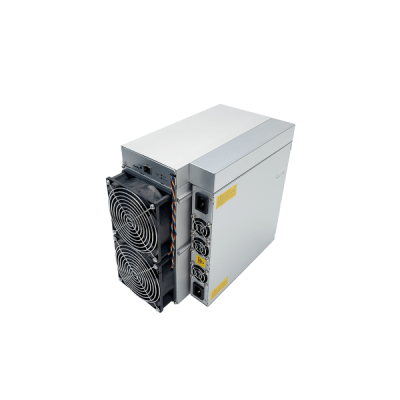
Antminer S1995 TH/s3,250W34.2$300–$600Space heater, near-free power
Antminer S17+73 TH/s2,920W40.0$100–$300Space heater conversion only
Antminer S914 TH/s1,350W96.4$30–$80Space heater, educational, historical

The Antminer S9, once the king of mining, now runs at nearly 100 J/TH. That is 8x less efficient than a modern S21 XP Hyd. Yet thousands of S9s still run in space heater configurations where their 1,350W of heat output replaces an electric heater — and the sats earned are pure bonus.

Efficiency by Category: Best Miner for Every Scenario

Raw J/TH numbers do not tell the whole story. The most efficient miner on paper might require hydro cooling infrastructure you do not have. Here is how the rankings shake out for real-world use cases.

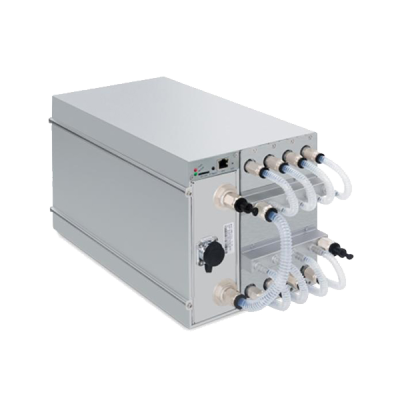
Most Efficient Overall: Antminer S21 XP Hyd (12.0 J/TH)

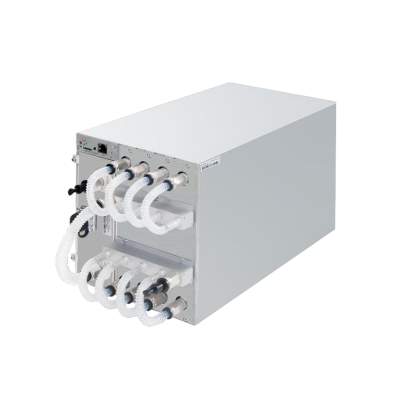
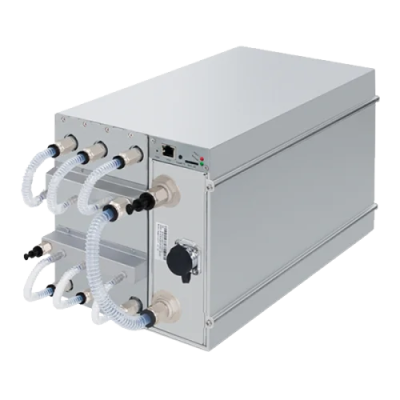
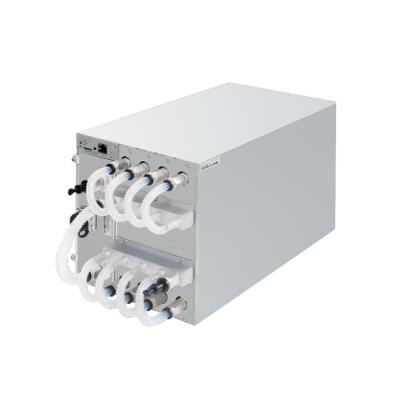
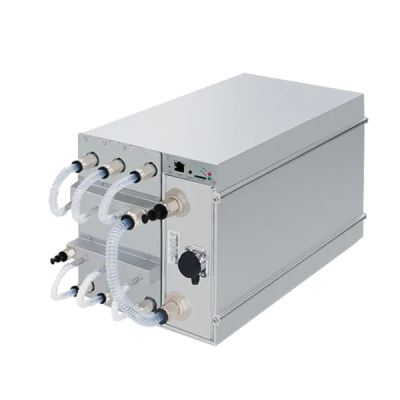
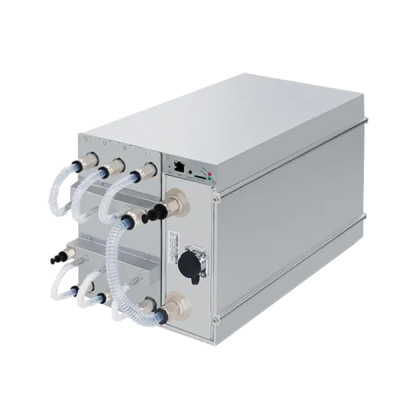
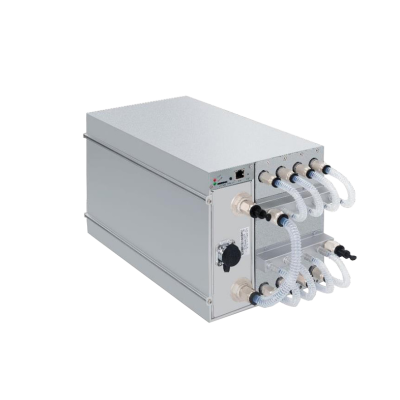
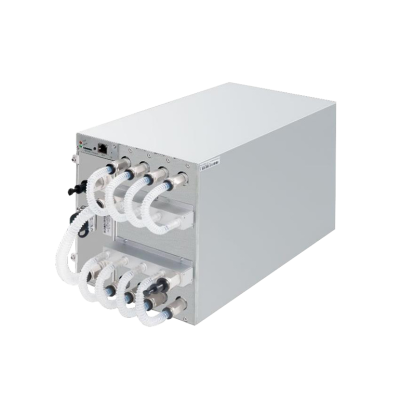
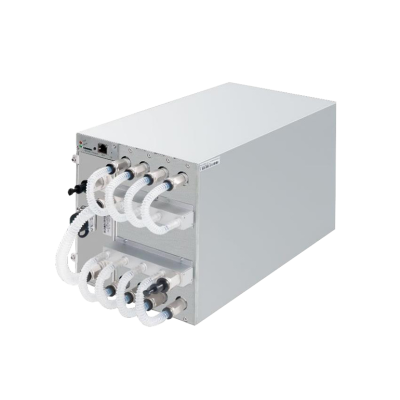
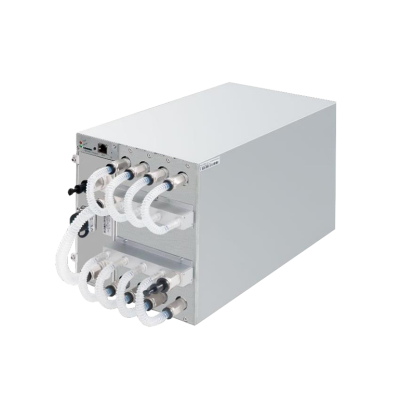
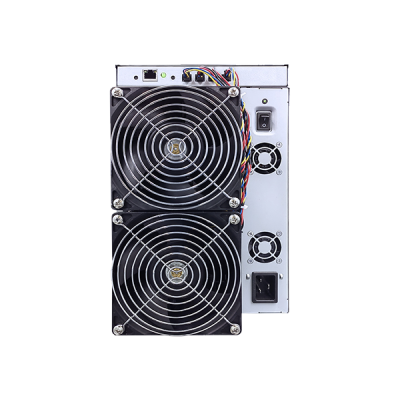
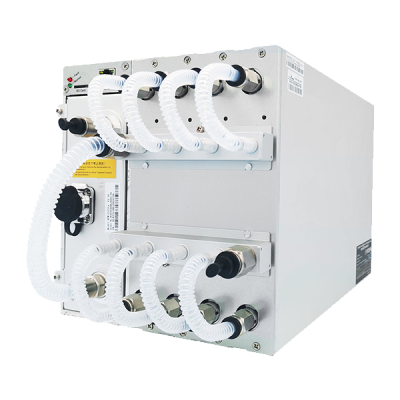
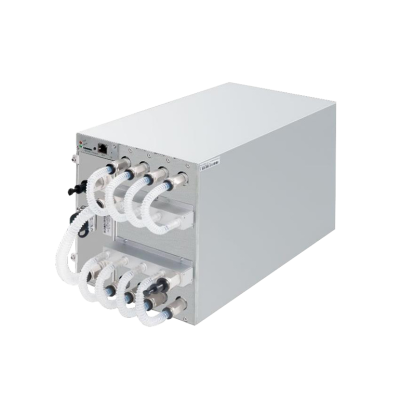
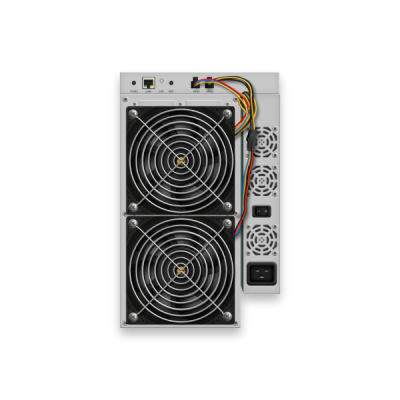
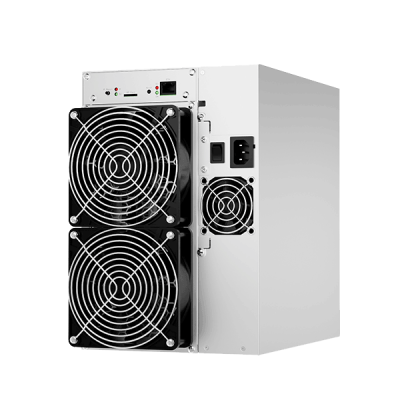
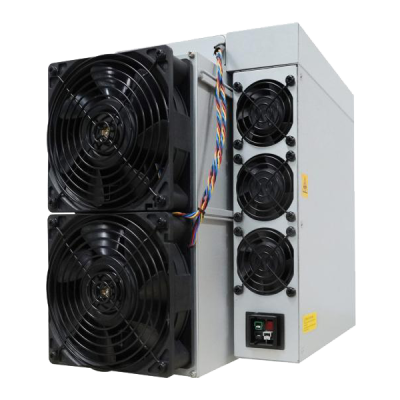
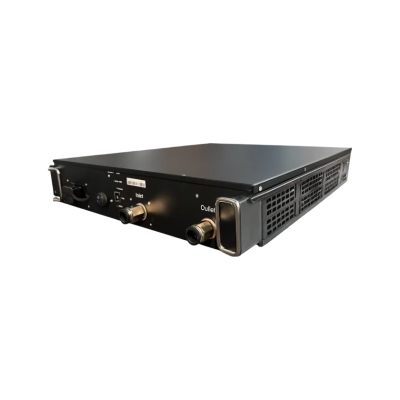
The undisputed efficiency champion in 2026. At 12.0 J/TH, the S21 XP Hyd converts electricity to hashrate better than any other commercially available miner. Its 473 TH/s of hashrate at under 5,700W is remarkable — but you need hydro cooling infrastructure. That means coolant loops, radiators, pumps, and specialized racking. This is a machine for professional operations and dedicated home mining enthusiasts who have invested in liquid cooling systems. For a deep dive, read our full S21 XP Hyd review.

Most Efficient Air-Cooled: Antminer S21 Pro (15.0 J/TH)

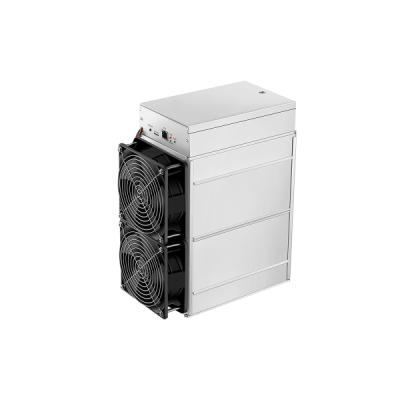
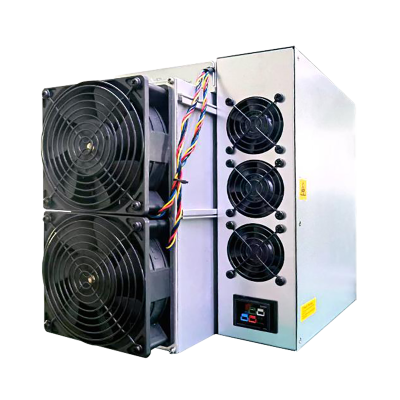
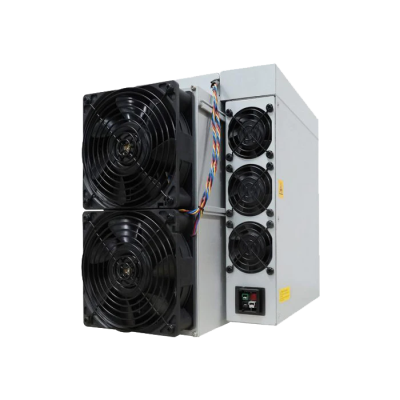
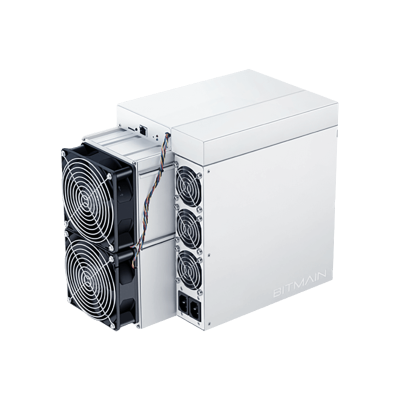
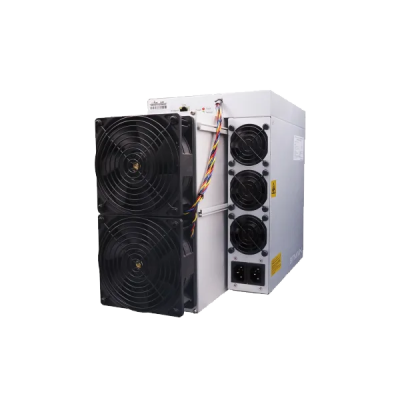
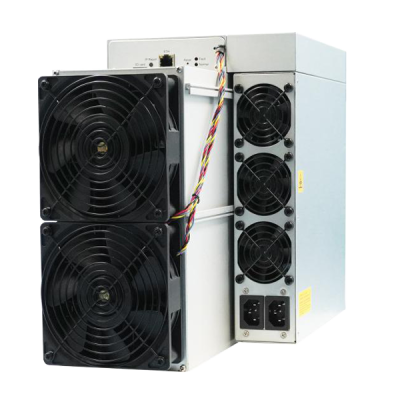
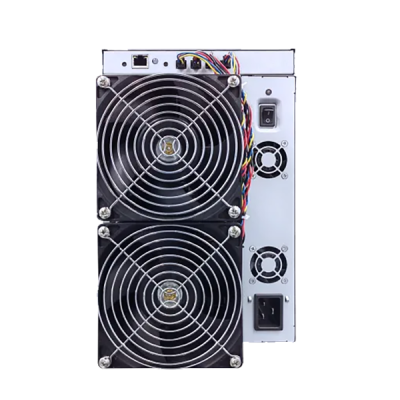
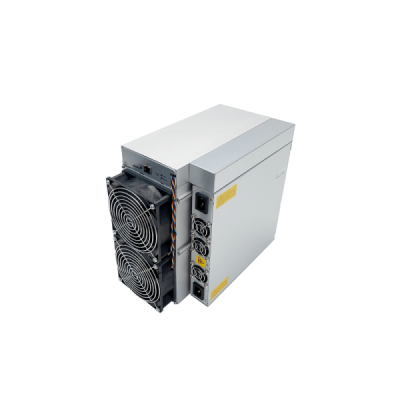
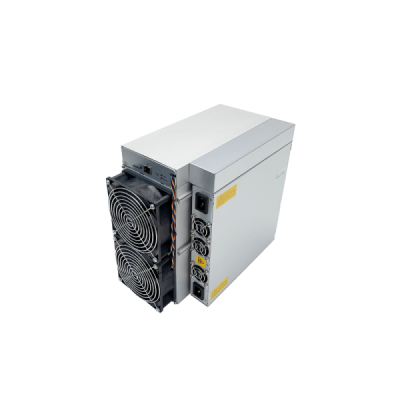
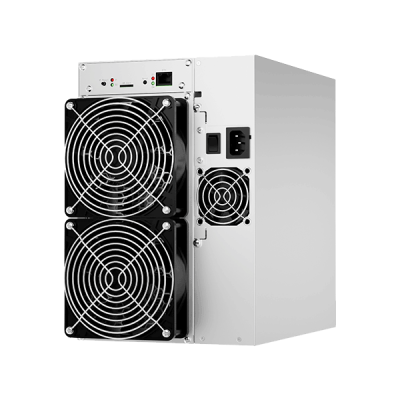
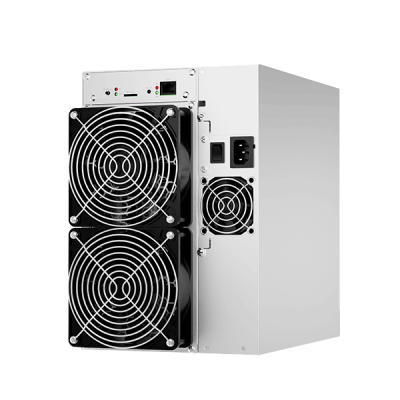
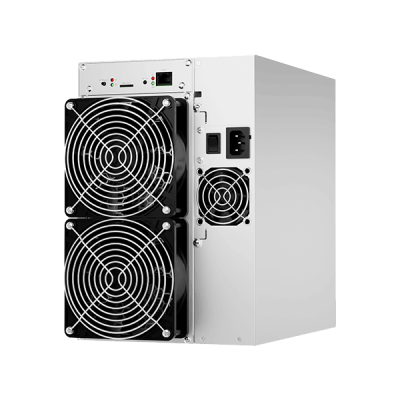
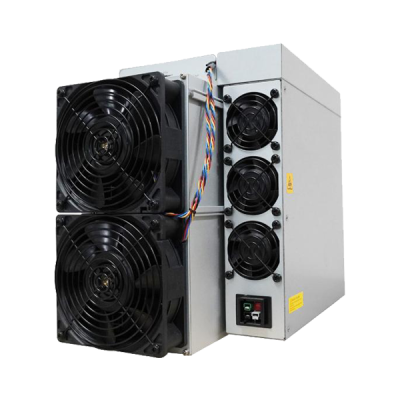
If you are air-cooling — and most home miners are — the S21 Pro at 15.0 J/TH is the best you can get. At 234 TH/s and 3,510W, it delivers next-generation efficiency without requiring any liquid cooling. The noise level is still significant (industrial ASIC fans run at 75+ dB), so a dedicated space or noise reduction setup is still necessary. But from a pure watts-to-hashes perspective, nothing air-cooled touches it.

Most Efficient Budget Miner (Under $2,000): Antminer S19 XP (21.5 J/TH)

The S19 XP lands in a sweet spot. At 140 TH/s and 21.5 J/TH, it is the most efficient miner you can buy for under $2,000 in early 2026. It is not the newest generation, but its BM1368 chips still deliver competitive efficiency. Pair it with Braiins OS+ auto-tuning to squeeze another 10-15% efficiency improvement, and you are looking at effective efficiency approaching 19 J/TH. That is current-gen territory at previous-gen pricing. Check our budget mining guide for more options at this price point.

Most Efficient for Home Mining: Antminer T21 (19.0 J/TH)

Home mining is about more than raw efficiency — you need to consider power draw (can your home circuits handle it?), noise, heat output, and cost. The T21 delivers 19.0 J/TH at a manageable 3,610W power draw, runs on a standard 240V/20A circuit, and costs significantly less than the S21 Pro. For most home miners, the T21 is the rational choice: you get 90% of the S21 Pro’s efficiency at 50-60% of the price. Combine it with a mining closet build for noise management and a duct shroud for heat exhaust, and you have a solid home mining foundation.

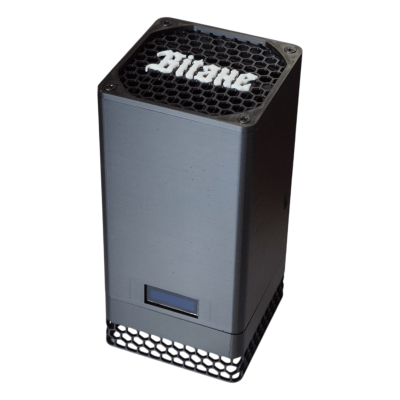
Most Efficient Open-Source Miner: Bitaxe Gamma 602 (~18.5 J/GH)

Open-source miners operate in an entirely different efficiency universe — measured in J/GH (joules per gigahash) rather than J/TH, because they run at gigahash rather than terahash levels. The Bitaxe Gamma 602, powered by the BM1370 chip, achieves approximately 18.5 J/GH at stock settings. That translates to roughly 18.5 J/TH equivalent — remarkably close to full-size ASICs.

Here is the open-source efficiency breakdown:

ModelChipHashratePowerEfficiency (J/GH)Price Range
Bitaxe GT2x BM1370~1.2 TH/s~18W~15.0 J/GH$180–$250
Bitaxe Gamma 602BM1370~600 GH/s~11W~18.5 J/GH$80–$130
Bitaxe SupraBM1366~500 GH/s~12W~24.0 J/GH$70–$110
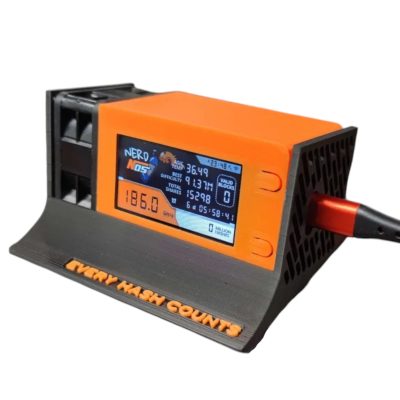
NerdQAxe++4x BM1370~4.8 TH/s~70W~14.6 J/GH$300–$400
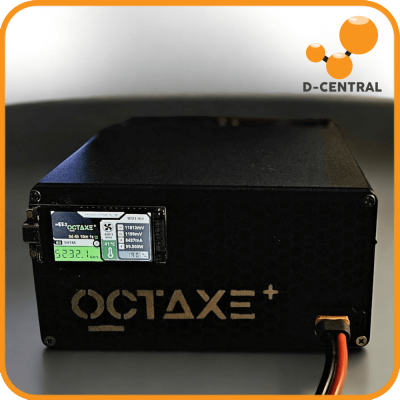
NerdOctaxe Gamma8x BM1370~8 TH/s~130W~16.3 J/GH$500–$650

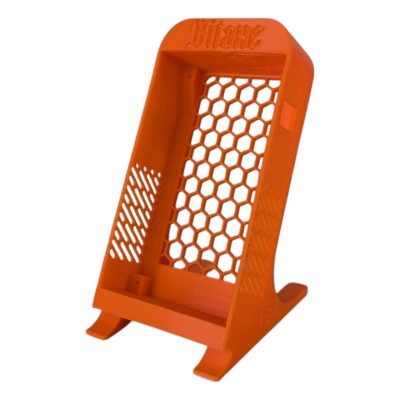
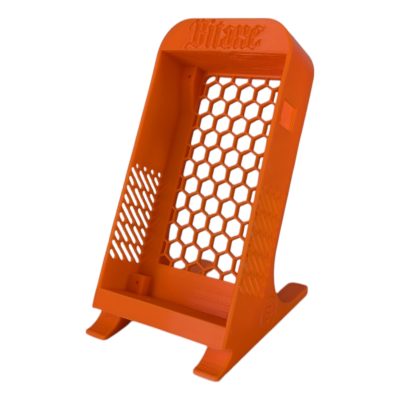
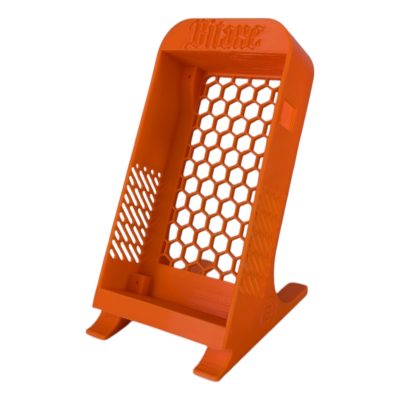
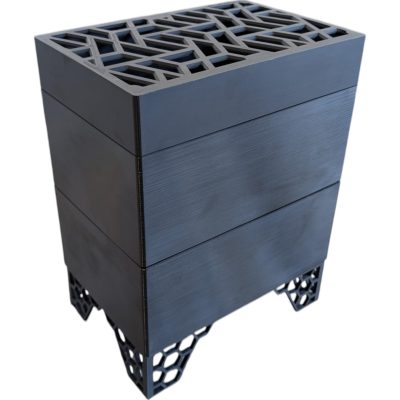
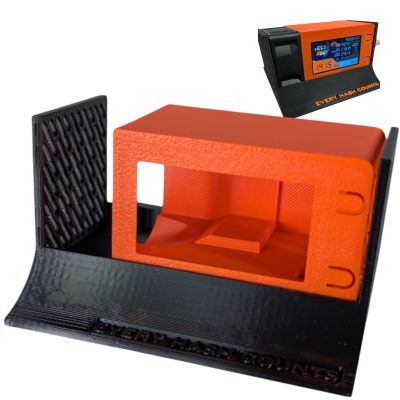
The Bitaxe GT with its dual BM1370 chips leads the open-source pack at ~15 J/GH. D-Central pioneered many of the accessories that make these miners practical — including the original Bitaxe Mesh Stand, premium heatsinks, and cases designed for optimal cooling. See our full Bitaxe comparison guide for detailed specs and recommendations on every model.

Of course, open-source miners are not about efficiency competition with industrial ASICs. They are about solo mining, decentralization, education, and the chance — however small — of hitting a full block reward. Efficiency matters for keeping your power bill negligible ($2-5/month), not for competing with mining farms.

Break-Even Electricity Rates: The Table That Decides Your Purchase

This is the most actionable section of this entire guide. Every miner has a maximum electricity rate at which it can still break even — earn enough BTC to cover its power costs. Go above that rate, and you are paying more for electricity than you earn in Bitcoin. Go below it, and every cent of difference is profit.

The break-even rate depends on Bitcoin price, network difficulty, and the miner’s efficiency. We calculate using February 2026 conditions: ~$95,000 BTC price and current network difficulty. These numbers shift daily — use our Mining Profitability Calculator for real-time calculations with your exact electricity rate.

ModelJ/THBreak-Even Rate ($/kWh)Profitable in Avg US Home?Profitable in Avg Canadian Home?
S21 XP Hyd12.0~$0.195YES (all states)YES (all provinces)
S21 Pro15.0~$0.156YES (most states)YES (most provinces)
S21 Hyd16.0~$0.146YES (most states)YES (most provinces)
S2117.5~$0.134YES (many states)YES (QC, MB, BC)
M63S Hydro18.0~$0.130Marginal (cheap states)YES (QC, MB, BC)
M60S18.5~$0.127Marginal (cheap states)YES (QC, MB, BC)
T2119.0~$0.123Marginal (TX, WA, LA)YES (QC, MB)
M56S Hydro20.0~$0.117Tight marginsYES (QC, MB)
S19 XP21.5~$0.109Tight (cheap states only)YES (QC, MB)
S19k Pro23.0~$0.102Difficult (sub-$0.10 only)QC only
S19j Pro+25.0~$0.094DifficultQC only
S19j Pro29.5~$0.079Unprofitable (most areas)Near-free power only
M30S++31.0~$0.076Unprofitable (most areas)Near-free power only
S1934.2~$0.069UnprofitableNear-free power only
S996.4~$0.024UnprofitableUnprofitable (use as heater)
Break-even rates estimated at ~$95,000 BTC, Feb 2026 difficulty. US avg residential: ~$0.13/kWh. Canadian avg: ~$0.11/kWh. QC = Quebec (~$0.07/kWh).

How to read this table: Find your electricity rate. Every miner with a break-even rate above your rate is profitable. The bigger the gap between the break-even rate and your rate, the fatter your margins. If you are paying $0.10/kWh, any miner with a break-even above $0.10 is making money. The S21 XP Hyd at $0.195 break-even has a massive $0.095/kWh margin — that is pure profit on every kilowatt-hour consumed.

The key insight: At $0.13/kWh (US average), only miners at 18 J/TH or better are reliably profitable. At $0.07/kWh (Quebec), even an S19j Pro barely squeaks by. This single table should guide every purchase decision. For a deeper analysis of electricity costs across North America, see our comprehensive electricity cost breakdown by state and province.

Efficiency vs. Price: The Value Matrix

The most efficient miner is not always the best buy. The S21 XP Hyd’s 12 J/TH is spectacular, but at $12,000-$16,000 it requires significant capital. Meanwhile, a T21 at $2,500-$3,800 delivers 19 J/TH — 58% more power per hash, but at 70-75% less cost. The question is: where does your dollar buy the most efficiency?

Efficiency Per Dollar Spent

We calculated a “value score” by dividing each miner’s price by its J/TH rating. Lower cost per efficiency point is better — it means you are paying less for each unit of efficiency.

ModelJ/THMidpoint Price$/J/TH (Cost per Efficiency Point)Value Rating
S19k Pro23.0$1,100$48CHEAPEST per J/TH (if power is cheap)
S19 XP21.5$2,300$107Best budget efficiency
T2119.0$3,150$166BEST VALUE
M60S18.5$3,750$203Excellent
S2117.5$4,250$243Great
S21 Pro15.0$6,000$400Premium efficiency
S21 XP Hyd12.0$14,000$1,167Ultra-premium
$/J/TH = Midpoint price divided by J/TH rating. Lower means you pay less per unit of efficiency. The T21 hits the sweet spot of good efficiency at a reasonable price.

The value sweet spot: The Antminer T21 and Whatsminer M60S occupy the best position in the value matrix. They deliver sub-20 J/TH efficiency — profitable at most North American electricity rates — without the five-figure price tag of the hydro-cooled flagship models. If you are a home miner looking for the best return on investment, these two should be at the top of your shortlist.

The bargain play: The S19 XP at $2,300 midpoint offers the cheapest entry to sub-22 J/TH efficiency. With Braiins OS+ auto-tuning, it can approach 19 J/TH effective efficiency — competing with the T21 at a lower purchase price. The tradeoff is less hashrate (140 vs 190 TH/s) and an older platform.

The space heater equation: The S19k Pro at $1,100 and 23 J/TH looks marginal on the mining math. But convert it to a space heater edition and the math flips entirely. If you were going to spend $1,100+ on an electric heater over a Canadian winter anyway, the S19k Pro gives you the heat for free and generates Bitcoin. The efficiency of the heating is 100% — every watt becomes heat — and the mining revenue is bonus income.

How Custom Firmware Improves Efficiency by 5–15%

The efficiency numbers in every table above are stock specifications. In reality, custom firmware can significantly improve these figures. This is one of the most impactful upgrades any miner can make — it is free (or nearly free) and the efficiency gains are immediate.

Braiins OS+ Auto-Tuning

Braiins OS+ is the gold standard for ASIC firmware optimization. Its auto-tuning algorithm dynamically adjusts chip voltages and frequencies to find the optimal efficiency point for your specific hardware. No two ASIC chips are identical — silicon lottery means some chips run more efficiently at different voltage levels. Braiins OS+ tests each chip individually and tunes accordingly.

Real-world results with Braiins OS+ auto-tuning:

ModelStock J/THBraiins OS+ Tuned J/THImprovement
S19 XP21.5~18.5–19.59–14%
S19k Pro23.0~20.0–21.09–13%
S19j Pro29.5~25.5–27.08–14%
S2117.5~16.0–17.03–9%
T2119.0~17.5–18.53–8%
Results vary by individual unit due to silicon variance. Newer models (S21/T21) have less room for improvement because Bitmain already pushes stock firmware closer to optimal.

Manual Undervolting

For miners who want hands-on control, manual undervolting achieves similar results. By reducing the voltage supplied to ASIC chips below manufacturer default, you decrease power consumption more than you decrease hashrate — improving the J/TH ratio. The tradeoff is that you sacrifice some hashrate for better efficiency. On older models like the S19 series, undervolting can turn a marginally unprofitable miner into a profitable one.

VNish and LuxOS

VNish and LuxOS are alternative firmware options that also offer efficiency improvements through auto-tuning and manual profiles. Our firmware comparison guide breaks down the specific advantages of each. The short version: Braiins OS+ leads in auto-tuning sophistication, VNish offers the most granular manual control, and LuxOS provides a balanced middle ground with a clean interface.

Bottom line: If you are running stock firmware on any Antminer, you are leaving 5-15% efficiency on the table. That is the difference between profitable and unprofitable at marginal electricity rates. Custom firmware is the single best no-cost upgrade you can make. Read our Bitcoin Mining Software Comparison for the full breakdown of every firmware option.

The Efficiency Roadmap: Where ASIC Technology Is Heading

ASIC efficiency has improved relentlessly since Bitcoin mining began. Understanding the trajectory helps you make smarter purchasing decisions today.

Historical Efficiency Progression

EraRepresentative MinerEfficiencyProcess Node
2017Antminer S996 J/TH16nm
2019Antminer S1740 J/TH7nm
2020Antminer S1934 J/TH7nm (improved)
2021Antminer S19 XP21.5 J/TH5nm
2023Antminer S2117.5 J/TH5nm (advanced)
2024Antminer S21 Pro15.0 J/TH5nm (optimized)
2024Antminer S21 XP Hyd12.0 J/TH3nm

The trend is clear: roughly 2x efficiency improvement every 3-4 years, driven primarily by semiconductor process node shrinks. The S9’s 16nm chips evolved to 7nm, then 5nm, and now 3nm in the latest hydro models.

What Is Coming: Sub-10 J/TH by 2027?

Several developments suggest we will see sub-10 J/TH miners within the next 12-18 months:

  • 3nm mass production for air-cooled models: The S21 XP Hyd already achieves 12 J/TH with 3nm chips, but it requires hydro cooling. As 3nm yields improve and chip designs are optimized for air cooling, expect air-cooled models in the 10-12 J/TH range.
  • TSMC 3nm refinements: TSMC’s N3E and N3P process nodes offer incremental density and efficiency improvements over the base N3 node. Bitmain and MicroBT will leverage these for next-generation chips.
  • Samsung and Intel foundry competition: ASIC manufacturers historically relied primarily on TSMC, but Samsung’s 3nm GAA process and Intel Foundry Services offer alternatives that could accelerate the efficiency roadmap through competition.
  • Advanced packaging: Chiplet designs and advanced 3D packaging could allow more compute density per watt, independent of process node improvements.
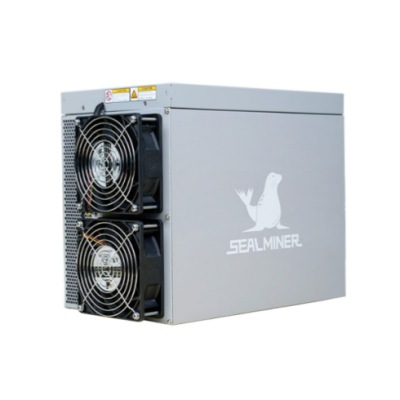
  • Bitdeer’s SEAL chips: Bitdeer has announced proprietary SEAL ASIC chips targeting competitive efficiency. Their roadmap suggests sub-10 J/TH air-cooled machines, though production timelines remain uncertain.

What this means for buyers today: If you are buying a miner in 2026, understand that significantly more efficient models are likely 12-18 months away. That does not mean you should wait — the BTC you mine in the next 18 months with today’s hardware has value. But it does mean you should factor depreciation into your ROI calculations. A miner that pays for itself in 12 months is a better buy than one that takes 24 months, even if the 24-month machine is cheaper upfront. For a complete analysis of mining economics, our profitability analysis guide covers all the variables.

Our Recommendations by Use Case

We have thrown a lot of numbers at you. Here is the simplified decision framework based on what actually matters for your situation.

If Your Electricity Is Cheap (Under $0.07/kWh)

Buy for hashrate: At these rates, even moderately efficient miners are profitable. The S21 or T21 offers the best balance of hashrate, efficiency, and capital cost. You could even run S19 XPs profitably and stack more machines for the same budget.

If Your Electricity Is Average ($0.08–$0.13/kWh)

Buy for efficiency: You need sub-20 J/TH to maintain comfortable margins. The Antminer T21 is the value pick. The S21 is the performance pick. Do not even consider anything above 22 J/TH unless you are recapturing heat value.

If Your Electricity Is Expensive ($0.13+/kWh)

Buy the most efficient air-cooled miner you can afford: At these rates, only the S21 Pro (15 J/TH) and S21 (17.5 J/TH) offer reliable profit margins. Alternatively, consider the space heater approach — running a less efficient miner as a heater during winter months, where 100% of the electricity cost is offset by heating value.

If You Want Solo Mining and Decentralization

Buy a Bitaxe Gamma or Bitaxe GT: Solo mining is not about efficiency optimization — it is about sovereignty, decentralization, and the lottery chance at a full block reward. A Bitaxe Gamma costs $3-4/month in electricity and gives you a direct connection to the Bitcoin network without intermediaries. Efficiency is a bonus, not the primary motivator. See our solo mining guide for the complete picture.

If You Want Dual-Purpose Mining Plus Heating

Buy a Bitcoin Space Heater: When mining doubles as heating, the efficiency equation flips. An S19k Pro at 23 J/TH is “inefficient” for pure mining but is a 100% efficient electric heater that happens to also produce Bitcoin. D-Central’s S19 Space Heater Edition and BitChimney kits are purpose-built for this use case. Read our space heater selection guide for matching the right miner to your heating needs.

If You Are Building a Professional Operation

Go hydro-cooled: The S21 XP Hyd at 12 J/TH is the flagship for a reason. At scale, the infrastructure cost of hydro cooling is amortized across many units, and the efficiency advantage generates compounding returns. The M63S Hydro is the MicroBT alternative at 18 J/TH. Professional operations should also explore our mining consulting services for infrastructure planning.

Frequently Asked Questions About Bitcoin Mining Efficiency

What does J/TH mean in Bitcoin mining?

J/TH stands for joules per terahash, the standard measure of Bitcoin mining efficiency. It indicates how much energy a miner consumes per unit of computational work. Lower J/TH means less electricity cost per hash, making the miner more profitable. The most efficient current-gen miners operate at 12-15 J/TH.

Is a more efficient miner always more profitable?

Not always. A more efficient miner costs less to operate per terahash, but the upfront hardware cost matters too. A cheaper, less efficient miner might deliver faster ROI if the price difference is significant. Efficiency matters most when electricity costs are high or Bitcoin prices are low.

What is the most efficient Bitcoin miner in 2026?

The most efficient air-cooled Bitcoin miner in 2026 is the Antminer S21 XP at 13.5 J/TH. For hydro-cooled systems, the S21 XP Hyd achieves 12.0 J/TH. Open-source miners like the Bitaxe Gamma operate at approximately 15 J/TH at stock settings. Check our full efficiency rankings for all models.

How does custom firmware affect mining efficiency?

Custom firmware like Braiins OS+, VNish, and LuxOS can improve efficiency by 5-15% through autotuning and undervolting. These firmware options dynamically adjust voltage and frequency per chip to find the optimal efficiency point, reducing power consumption while maintaining or even increasing hashrate.

What electricity rate do I need for Bitcoin mining to be profitable?

With current network difficulty and Bitcoin prices, most current-gen miners need electricity below $0.12/kWh to be profitable. The most efficient miners (S21 XP at 13.5 J/TH) remain profitable up to approximately $0.14/kWh. Older models like the S19 need rates below $0.06/kWh. Use our Mining Profitability Calculator for exact break-even rates.

Final Thoughts: Efficiency Is Your Competitive Advantage

In a post-halving mining landscape with tightening margins, efficiency is not just a nice-to-have — it is the difference between an operation that survives the next difficulty adjustment and one that does not. The miners who thrive through 2026, through the next halving, and beyond will be the ones who made purchasing decisions based on J/TH, not TH/s.

Here are the key takeaways:

  • J/TH is the single most important spec for determining long-term profitability
  • The S21 XP Hyd (12 J/TH) leads for maximum efficiency; the S21 Pro (15 J/TH) leads for air-cooled
  • The T21 offers the best value — sub-20 J/TH efficiency at a mid-range price
  • Custom firmware (Braiins OS+) improves efficiency 5-15% — this is free money
  • Break-even electricity rate is your decision threshold — if your rate exceeds a miner’s break-even, do not buy it
  • Space heaters change the math — heat value offsets electricity costs for less efficient miners
  • Sub-10 J/TH machines are coming — factor depreciation into ROI calculations

Whether you are running a single machine in your garage or planning a multi-megawatt facility, efficiency determines your fate. Choose accordingly.

Ready to buy? Browse our full ASIC miner inventory, use our Mining Profitability Calculator to model your exact scenario, or contact our team for personalized recommendations based on your electricity rate and budget.

Related Posts