Bitcoin mining is an arms race for energy, cooling, and uptime. Whether you are running a single Antminer S21 or a fleet of next-generation ASICs, the infrastructure surrounding your hardware determines whether you profit or bleed money. That is where colocation enters the picture — and why understanding colocation data centers is essential for every serious Bitcoin miner in 2026.
At D-Central Technologies, we have been in the Bitcoin mining trenches since 2016. We operate our own mining hosting facility in Quebec, we repair ASIC miners others have given up on, and we sell the hardware that powers both home and hosted mining operations across Canada and beyond. When we talk about colocation, we are not reciting a textbook — we are speaking from years of hands-on experience running miners for our clients and for ourselves.
This guide covers everything you need to know about colocation data centers: what they are, how they work, why Bitcoin miners use them, how colocation compares to home mining, what to look for in a hosting provider, and why Quebec has become one of the best jurisdictions on Earth for mining colocation. Every hash counts — and the right infrastructure makes each one more profitable.
What Is a Colocation Data Center?
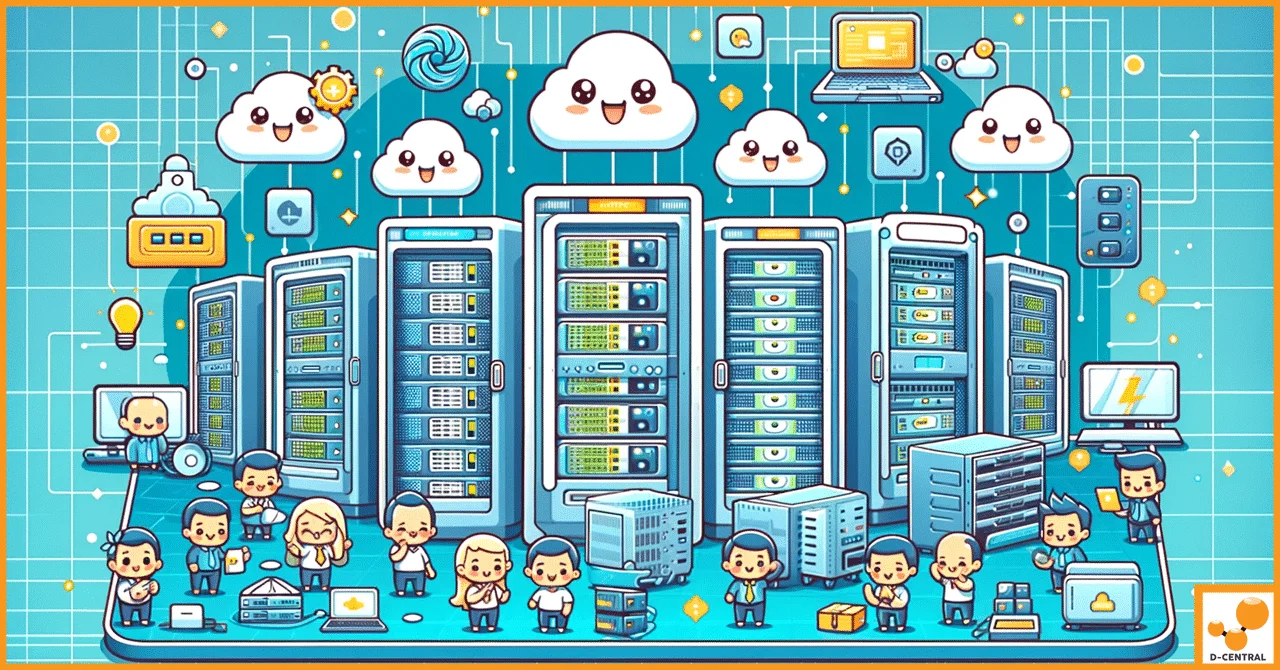
A colocation data center — often shortened to “colo” — is a facility where businesses and individuals rent physical space to house their own computing equipment. The colocation provider supplies the building, power, cooling, physical security, and network connectivity. You supply the hardware.
Think of it as renting a garage bay in a professional auto shop. You bring your own car and tools, but you benefit from the hydraulic lifts, compressed air, lighting, and climate control that the shop provides. In Bitcoin mining terms, you bring your ASIC miners; the colocation facility provides the megawatts, the cold air, the racks, and the 24/7 security.
The key distinction is ownership and control. Unlike cloud mining or managed hosting where someone else owns and operates the machines, colocation means your hardware, your miners, your hashrate. You retain full physical ownership of the equipment. The facility simply provides the environment those machines need to run at peak performance.
Colocation vs. Traditional Data Centers
Traditional data centers are typically owned and operated by a single entity — a tech company, a bank, a government department — to house its own IT infrastructure. Colocation centers flip that model by hosting equipment for multiple tenants under one roof. This shared infrastructure model distributes the massive fixed costs of power delivery, cooling systems, and physical security across many users, making enterprise-grade infrastructure accessible to smaller operators.
For Bitcoin miners, this shared-cost model is particularly attractive. Building a facility that can deliver stable, high-amperage power with redundant cooling and proper ventilation is prohibitively expensive for most individuals. Colocation lets you tap into that infrastructure without the capital expenditure of building it yourself.
Colocation vs. Bitcoin Mining Hosting
The terms “colocation” and “hosting” are often used interchangeably in the Bitcoin mining world, but there are subtle differences worth understanding.
Pure colocation means you ship your miners to a facility, they rack them, plug them in, and provide power and cooling. Management is minimal — if something goes wrong with your machine, you may need to arrange for on-site support or ship the unit back for repair.
Managed hosting goes further. A managed hosting provider like D-Central not only racks and powers your miners but also monitors performance, performs basic maintenance, swaps fans, cleans units, and can coordinate ASIC repair when a hashboard fails. This is the model we operate at our Quebec facility — because we know from experience that miners are not “set and forget” machines. They need ongoing attention to maintain peak hashrate.
How Colocation Data Centers Work
Understanding the core infrastructure of a colocation facility helps you evaluate providers and avoid costly mistakes. Here is what goes into keeping your miners running 24/7/365.
Power Delivery
Power is the lifeblood of any mining operation, and it is the single largest operating cost. Colocation facilities receive power from the electrical grid through high-voltage feeds, typically at the megawatt scale. That power is stepped down through transformers and distributed to individual racks and cabinets through PDUs (Power Distribution Units).
Quality colocation facilities feature:
- Redundant utility feeds: Multiple connections to the grid to prevent single points of failure
- Backup generators: Diesel or natural gas generators that kick in during grid outages, typically within seconds
- UPS systems: Uninterruptible Power Supply batteries that bridge the gap between a power outage and generator startup
- Metered power monitoring: Per-rack or per-circuit power metering so you know exactly what each miner draws
For Bitcoin mining specifically, power density matters enormously. A modern Antminer S21 Hydro can pull over 5,000 watts. A single rack of miners can easily draw 20-40 kW. Mining colocation facilities must be engineered for these loads — standard IT colocation racks are designed for 5-10 kW and simply cannot handle mining hardware.
Cooling Systems
ASIC miners convert electricity into heat with remarkable efficiency — virtually 100% of the power consumed becomes thermal energy. A facility running 1 MW of mining hardware is generating 1 MW of heat that must be continuously removed.
Colocation cooling approaches include:
- Air cooling: Large industrial fans, evaporative cooling, and hot/cold aisle containment to manage airflow
- Immersion cooling: Submerging miners in dielectric fluid for dramatically improved heat dissipation and noise reduction
- Rear-door heat exchangers: Liquid cooling loops attached to rack doors that capture heat before it enters the room
- Free cooling: Using outside ambient air when temperatures allow — a massive advantage in cold climates like Quebec
Cold-climate facilities have a structural cost advantage here. When outside air is below 15 degrees Celsius for eight or more months of the year, you can cool miners with ambient air instead of running energy-hungry chillers. This is one of the primary reasons Quebec has become a global hub for Bitcoin mining colocation.
Physical Security
Your miners are valuable assets — a rack of S21 machines can represent over $50,000 in hardware. Colocation facilities protect that investment with layered security:
- Perimeter security: Fencing, bollards, controlled vehicle access
- Building access: Biometric scanners, key card systems, man-trap entries
- Surveillance: 24/7 CCTV monitoring with recorded footage retention
- On-site personnel: Security guards and facility staff around the clock
- Visitor logging: Documented access records for compliance and accountability
Network Connectivity
Bitcoin mining is not bandwidth-intensive compared to streaming video or running databases, but low-latency, high-uptime connectivity is still critical. Every second your miner is offline or cannot communicate with its mining pool is hashrate — and revenue — lost.
Colocation facilities typically offer redundant internet connections from multiple ISPs, with automatic failover if one connection drops. For mining specifically, the key metric is not raw bandwidth but connection reliability and latency to your mining pool’s stratum server.
Why Bitcoin Miners Choose Colocation
Home mining has its appeal — sovereignty, simplicity, using waste heat — and at D-Central we are strong advocates for home mining setups including our Bitcoin Space Heaters and open-source miners like the Bitaxe. But there are situations where colocation makes more sense. Here is why thousands of Bitcoin miners worldwide choose to colocate their hardware.
Access to Cheaper Electricity
Electricity is the dominant variable in mining profitability. The difference between mining at $0.12/kWh residential power and $0.04-0.06/kWh industrial colocation rates is the difference between losing money and generating meaningful returns.
Colocation facilities, especially in energy-rich jurisdictions like Quebec, negotiate industrial power rates that individual miners simply cannot access. Quebec’s hydroelectric grid delivers some of the cheapest and cleanest electricity in North America. When you colocate in Quebec, you are mining on power generated almost entirely by falling water — renewable, abundant, and inexpensive.
Noise and Heat Management
This is the elephant in the room for home miners. A single Antminer S19 produces approximately 75 decibels of noise — roughly equivalent to a vacuum cleaner running continuously. An S21 is even louder. Running multiple machines at home requires serious sound insulation, dedicated ventilation, and tolerance from everyone living in the household.
Colocation eliminates this problem entirely. Your miners run in a purpose-built industrial environment where noise and heat are engineered for, not fought against. Your home stays quiet, your family stays happy, and your miners still hash.
Scalability Without Capital Construction
Want to go from 2 miners to 20? In a colocation facility, that means renting more rack space. At home, that means rewiring your electrical panel, upgrading your service, potentially building an outbuilding, and navigating municipal permits. Colocation lets you scale your mining operation without becoming a general contractor.
Professional Uptime and Monitoring
Colocation facilities are engineered for 99.9%+ uptime. Backup power, redundant cooling, 24/7 on-site staff — these are standard features. If a breaker trips at 3 AM, someone is there to reset it. If a miner goes offline, monitoring systems flag it immediately.
At home, a tripped breaker at 3 AM means you lose hashrate until you wake up and notice. Over the course of a year, those lost hours add up to real money.
Hashrate Sovereignty With Infrastructure Support
Unlike cloud mining — where you are essentially paying someone to mine on your behalf with hardware you never see or own — colocation preserves your sovereignty over your hashrate. You own the miners. You choose the pool. You control the firmware and configuration. The facility simply provides the environment.
This matters deeply from a decentralization perspective. When miners colocate their own hardware, they maintain independent control over which pool they point at, which transactions they are willing to include, and whether they run custom firmware. Cloud mining concentrates these decisions in the hands of the operator. Colocation keeps them in yours.
Colocation vs. Home Mining: Making the Right Choice
At D-Central, we do not push one model over the other. We sell hardware for both home miners and hosted miners, because the right choice depends on your specific situation. Here is an honest comparison.
| Factor | Home Mining | Colocation |
|---|---|---|
| Electricity cost | Residential rates ($0.07-0.15/kWh) | Industrial rates ($0.04-0.08/kWh) |
| Noise | You deal with it (or mod the miner) | Not your problem |
| Heat recovery | Direct benefit — heats your home | Wasted (unless facility recaptures) |
| Physical access | Immediate — walk to your setup | Limited — visit by appointment |
| Scalability | Limited by your electrical service | Add racks as needed |
| Uptime | Depends on your vigilance | 99.9%+ with redundancy |
| Sovereignty | Maximum — total physical control | High — you own the hardware, choose the pool |
| Monthly overhead | Electricity only | Hosting fee + electricity |
| Best for | 1-5 miners, heat recovery, max sovereignty | 5+ miners, serious scale, noise-free living |
The D-Central perspective: If you can benefit from the waste heat and you have the electrical capacity, home mining is beautiful. Our Bitcoin Space Heaters turn mining into a dual-purpose activity — heating your home while stacking sats. But if you want to run serious hashrate without turning your house into an industrial site, colocation is the smart play. Many of our clients do both: a Space Heater at home for warmth and a rack of S21s in our Quebec facility for scale.
What to Look for in a Mining Colocation Provider
Not all colocation providers are created equal, and not all data centers are suitable for Bitcoin mining. Here is what to evaluate before you ship your miners anywhere.
Power Cost and Transparency
The hosting rate — typically quoted in cents per kilowatt-hour or as an all-in monthly rate per machine — is the most important number in any colocation agreement. Get clarity on:
- What is the per-kWh rate, or what is the all-in hosting fee per unit?
- Are there additional fees for network, management, or rack space?
- Is the rate fixed or does it fluctuate with electricity markets?
- What is the minimum contract term?
Beware of rates that seem too good to be true. Some operators quote low per-kWh rates but add management fees, setup fees, or minimum power commitments that inflate the real cost.
Facility Infrastructure Quality
Ask about — or better yet, visit — the physical facility. Look for:
- Power redundancy: Backup generators, UPS systems, multiple utility feeds
- Cooling capacity: Adequate for the density of miners being hosted, not just “standard” IT cooling
- Fire suppression: Clean agent systems (not water sprinklers that would destroy your hardware)
- Electrical engineering: Properly rated circuits, breakers, and PDUs for mining loads
Location and Jurisdiction
Where your miners are physically located matters for several reasons:
- Electricity rates: Vary enormously by jurisdiction. Quebec, Iceland, and parts of Scandinavia and Texas offer competitive industrial rates
- Climate: Cold climates reduce cooling costs dramatically. Quebec’s long winters are a real competitive advantage
- Political and regulatory stability: Some jurisdictions have banned or restricted mining. Canada offers a stable, clear regulatory environment
- Proximity: Being able to visit your miners, or at least ship them domestically, reduces logistical headaches
Monitoring and Support
Your miners will eventually need attention. Fans fail, hashboards degrade, firmware updates need to be applied. Evaluate what level of support is included:
- Is there 24/7 monitoring with alerts for offline machines?
- Will staff perform basic maintenance (fan swaps, reboots, cleaning)?
- What is the process if a miner needs repair? Do they ship it to a repair center, or is repair available on-site or through a partner?
- Can you access your miner’s web interface remotely?
At D-Central, our hosting integrates directly with our ASIC repair service. When a hosted miner develops a problem, we can diagnose and repair it without the machine ever leaving our facility. That eliminates shipping delays and gets your hashrate back online faster.
Contract Terms and Flexibility
Read the fine print. Key terms to scrutinize include:
- Minimum contract length: 6 months, 12 months, or month-to-month?
- Termination penalties: What happens if you need to pull your miners early?
- Liability: Who is responsible if your miner is damaged by a power surge or facility incident?
- Insurance requirements: Does the facility carry insurance that covers hosted equipment?
Why Quebec Is a Premier Bitcoin Mining Jurisdiction
D-Central operates its hosting facility in Montreal, Quebec, and we chose this location deliberately. Quebec offers a combination of advantages that few places on Earth can match for Bitcoin mining.
Cheap, Clean Hydroelectric Power
Quebec generates over 95% of its electricity from hydropower. Hydro-Quebec operates one of the largest hydroelectric systems in the world, with a total installed capacity exceeding 37,000 MW. This abundance of renewable generation translates directly into low industrial electricity rates — among the lowest in North America.
For Bitcoin miners, this means two things: lower operating costs and a genuinely clean energy profile. Mining on Quebec hydro is mining on renewable energy, full stop. In an era where Bitcoin’s energy consumption faces constant scrutiny, being able to point to a nearly 100% renewable power source is both an ethical and a practical advantage.
Cold Climate for Free Cooling
Quebec’s climate is a mining operator’s best friend. Winter temperatures regularly drop below -20 degrees Celsius, and even the shoulder seasons (spring and fall) offer cool ambient air. This means colocation facilities in Quebec can use outside air for cooling during most of the year, dramatically reducing the energy spent on chillers and air conditioning.
The math is simple: every kilowatt you do not spend on cooling is a kilowatt you can spend on hashing. Cold-climate colocation facilities can achieve Power Usage Effectiveness (PUE) ratios approaching 1.05, compared to 1.3-1.6 in warmer climates. That difference flows directly to your bottom line.
Political and Regulatory Stability
Canada offers a stable, transparent regulatory environment for Bitcoin mining. Unlike some jurisdictions that have imposed sudden bans or punitive regulations, Canada recognizes Bitcoin mining as a legitimate industrial activity. Quebec has had its complexities — Hydro-Quebec implemented a specific rate class for cryptocurrency mining — but the framework is clear, predictable, and workable.
D-Central’s hosting facility in Montreal operates within this framework, giving our clients the confidence that their mining operation is on solid legal ground.
Infrastructure and Connectivity
Greater Montreal and Montreal are part of one of Canada’s major technology corridors. Fiber-optic connectivity, proximity to internet exchange points, established logistics networks, and a deep talent pool for technical support all contribute to making Quebec an ideal location for mining colocation.
Types of Mining Colocation Arrangements
Not all mining colocation is structured the same way. Understanding the different models helps you choose the right fit for your operation.
Retail Colocation (Individual Miners)
This is the most common model for home miners who want to scale up without the noise and heat at home. You purchase your own miners, ship them to the facility, and pay a monthly hosting fee per unit or per kilowatt consumed.
Best for: Individuals running 1-20 miners who want professional infrastructure without managing it themselves.
Wholesale Colocation (Large-Scale Operators)
Wholesale colocation involves leasing dedicated space — entire rows, rooms, or buildings — with power delivered at the megawatt scale. The client typically handles their own rack configuration, airflow management, and on-site staffing.
Best for: Mining companies or large investors deploying 100+ machines who need maximum control over their environment.
Managed Hosting
Managed hosting combines colocation with active machine management. The hosting provider monitors your miners, performs maintenance, handles firmware updates, and troubleshoots issues. This is the model D-Central operates at our Quebec hosting facility — because we know that ASIC miners are machines, and machines need maintenance.
Best for: Miners who want a hands-off experience while retaining hardware ownership. Particularly valuable for remote clients who cannot easily visit the facility.
Hybrid Approach
Many D-Central clients run a hybrid setup: a few machines at home for heat recovery (our Bitcoin Space Heaters are purpose-built for this) and additional machines in our Quebec colocation facility for serious hashrate production. This gives you the best of both worlds — sovereignty and heat at home, scale and low costs at the facility.
Common Colocation Pitfalls to Avoid
We have seen enough of this industry to know where miners get burned. Here are the most common mistakes.
Choosing on Price Alone
The cheapest hosting rate means nothing if the facility has frequent power outages, inadequate cooling, or disappears overnight. We have seen operators offer impossibly low rates, collect deposits, and then fail to deliver. Vet your provider thoroughly. Ask for references. Visit the facility if possible. A slightly higher rate at a reputable facility will always outperform a bargain rate at a fly-by-night operation.
Ignoring Contract Details
Some hosting contracts include clauses that are hostile to the client: automatic renewals, penalties for early termination, limited liability for equipment damage, or the right to move your equipment to a different facility without notice. Read every clause before you sign.
Not Planning for Maintenance
ASIC miners are industrial machines that run at high temperatures under constant load. Fans wear out, thermal paste degrades, hashboards develop faults, power supplies fail. If your hosting provider does not offer maintenance support — or if you have not budgeted for it — you will eventually have machines running at reduced hashrate or sitting offline entirely.
This is where D-Central’s integrated model shines. Our hosting facility and our ASIC repair shop operate together, so maintenance and repair are seamless.
Overlooking Insurance and Liability
What happens if a fire, flood, or electrical failure damages your miners? Is the hosting provider liable? Is your equipment insured under their policy, or do you need separate coverage? These are questions you must answer before committing your hardware.
The Economics of Mining Colocation in 2026
The post-halving landscape of 2026 has reshaped mining economics. With the block subsidy now at 3.125 BTC, operational efficiency is more critical than ever. Here is how colocation fits into the current environment.
Post-Halving Pressure on Margins
The April 2024 halving cut miner revenue per block in half. Only the most efficient operations survive in this environment. Colocation at low-cost power facilities is one of the primary ways miners maintain profitability when the subsidy shrinks. The math is unforgiving: at $0.12/kWh, many older-generation miners operate at a loss. At $0.05/kWh in a Quebec colocation facility, those same machines remain profitable.
The Efficiency Equation
Modern mining profitability comes down to a simple ratio: the cost of the electricity consumed versus the value of the Bitcoin produced. Everything else — cooling costs, management fees, maintenance, depreciation — sits on top of that base equation.
Colocation optimizes the largest variable in that equation (electricity cost) while also reducing several secondary costs through shared infrastructure. A well-run colocation facility achieves economies of scale that no individual home miner can match.
Hardware Lifecycle and ROI
When you factor in the total cost of ownership — purchase price, shipping, hosting fees, maintenance, and eventual resale or recycling — colocation typically delivers stronger ROI than home mining for operations above 5 units, primarily because of the power cost differential. Below 5 units, home mining can be more cost-effective, especially when you value the waste heat.
Colocation and Bitcoin’s Decentralization Mission
At D-Central, decentralization is not a marketing slogan — it is the reason we exist. Our mission is the decentralization of every layer of Bitcoin mining. Colocation plays an important but nuanced role in that mission.
The Centralization Risk
Large-scale colocation can concentrate hashrate in specific geographic locations and under the control of a small number of facility operators. This is a real centralization risk that the Bitcoin community must take seriously. When a single facility or jurisdiction hosts a disproportionate share of the network’s hashrate, it creates a potential point of failure or coercion.
How to Colocate Responsibly
Responsible colocation means:
- Maintaining pool diversity: Do not just point all your miners at the biggest pool. Distribute your hashrate across multiple pools, or solo mine if your hashrate supports it
- Retaining firmware control: Use facilities that let you choose your own firmware and pool configuration rather than locking you into their preferred pool
- Geographic distribution: If you operate significant hashrate, consider splitting it across multiple facilities and jurisdictions
- Supporting home mining too: Colocation and home mining are not mutually exclusive. A healthy network has hashrate distributed everywhere — in data centers, in garages, in basements, in living rooms heated by Bitcoin Space Heaters
D-Central’s advocacy for home mining through products like the Bitaxe, NerdAxe, and our Bitcoin Space Heater line is part of this broader decentralization philosophy. We host miners in our Quebec facility AND we sell hardware to home miners because both approaches strengthen the network.
D-Central’s Mining Hosting: Built by Bitcoin Mining Hackers
D-Central Technologies has been in the Bitcoin mining business since 2016. We are not a data center company that decided to add Bitcoin mining as a service — we are Bitcoin miners who built a hosting facility because we understand what miners need.
Our Quebec Facility
Our hosting operation is based in Montreal, Quebec, taking full advantage of Quebec’s hydroelectric power, cold climate, and stable regulatory environment. We offer managed hosting for ASIC miners, with integrated monitoring, maintenance, and repair services.
Integrated Repair Capability
This is what sets D-Central apart from most hosting providers. We are one of Canada’s leading ASIC repair operations, with the ability to diagnose and repair hashboard-level faults, replace ASIC chips, fix power supply issues, and perform firmware recovery. When a hosted miner needs attention, we handle it in-house. No shipping. No waiting. Minimal downtime.
Hardware Sales and Setup
Need miners for your hosted operation? We sell the hardware too. From Antminer S-series to our custom Slim Edition and Pivotal Edition builds, we can supply, configure, rack, and activate your miners in a single transaction. This end-to-end service — buy, host, maintain, repair — is what makes D-Central’s approach unique in the Canadian market.
Who We Host For
Our hosting clients range from individuals running a handful of machines to businesses deploying significant hashrate. Whether you are a Bitcoiner who wants to run your own miners but cannot handle the noise at home, or a company looking for a turnkey mining operation in a reliable Canadian jurisdiction, D-Central’s hosting facility is built for you.
To learn more about our hosting services, visit our Bitcoin Mining Hosting in Canada page or reach out through our contact page.
Frequently Asked Questions
What is a colocation data center in the context of Bitcoin mining?
A colocation data center for Bitcoin mining is a facility where miners rent space to house their own ASIC mining hardware. The facility provides power, cooling, physical security, and network connectivity. You own the miners and control which pool they point at — the facility provides the infrastructure to keep them running efficiently. This differs from cloud mining, where you do not own or control the hardware.
How much does Bitcoin mining colocation cost?
Mining colocation costs vary by jurisdiction, facility quality, and contract terms. Rates are typically quoted as a per-kWh electricity rate (ranging from $0.04 to $0.10/kWh depending on location) or as an all-in monthly fee per machine that includes power, cooling, monitoring, and basic maintenance. Quebec-based facilities tend to offer competitive rates due to cheap hydroelectric power. Always ask for a full breakdown of costs including any management fees, setup fees, or minimum commitments.
Is colocation better than mining at home?
It depends on your situation. Colocation offers cheaper electricity, professional uptime, and eliminates noise and heat issues in your home. Home mining offers maximum sovereignty, direct use of waste heat (especially with Bitcoin Space Heaters), and no hosting fees. For operations above 5 miners, colocation typically offers better economics. For 1-3 miners where you can use the heat, home mining can be more cost-effective. Many miners run a hybrid setup — some machines at home, others colocated.
Why is Quebec a good location for Bitcoin mining colocation?
Quebec offers three major advantages: cheap hydroelectric power (among the lowest rates in North America), cold climate for natural cooling (reducing facility energy costs), and a stable regulatory environment in Canada. Over 95% of Quebec’s electricity comes from hydropower, making it one of the cleanest energy grids available for mining. D-Central operates its hosting facility in Montreal, Quebec, to take advantage of these conditions.
Do I still own my miners if I use colocation?
Yes. Colocation means you retain full ownership of your hardware. You ship your miners to the facility (or purchase them on-site), and they remain your property. You control the firmware, pool configuration, and payout address. The facility simply provides the environment — power, cooling, security, connectivity — to run your equipment. This is fundamentally different from cloud mining, where the operator owns the hardware.
What happens if my miner breaks at a colocation facility?
This varies by provider. Some facilities will simply notify you and require you to arrange repair or replacement yourself. At D-Central, our hosting integrates with our ASIC repair service — if a hosted miner develops a fault, we can diagnose and repair it on-site without shipping it anywhere. This minimizes downtime and gets your hashrate back online faster. Ask any hosting provider about their repair and maintenance capabilities before committing.
What is the difference between colocation and cloud mining?
Colocation means you own physical mining hardware housed in someone else’s facility. You control the machines, choose the mining pool, and receive the mining rewards directly. Cloud mining means you pay a company to mine on your behalf using their hardware — you never see or control the machines, and the terms are set entirely by the operator. Colocation preserves your sovereignty over your hashrate; cloud mining does not. From a decentralization perspective, colocation is far superior because you retain independent control over your contribution to the Bitcoin network.
How does D-Central’s hosting work?
D-Central operates a managed hosting facility in Montreal, Quebec. You can ship your own miners or purchase them from us directly. We rack, connect, and monitor your machines 24/7. Our managed hosting includes basic maintenance, performance monitoring, and access to our ASIC repair service for any hardware issues. We run on Quebec’s hydroelectric power for low costs and clean energy. Visit our hosting page for current rates and availability.
Can I visit my miners at a colocation facility?
Most colocation facilities allow client visits by appointment. At D-Central’s Quebec facility, clients can arrange visits to inspect their hardware. However, for security reasons, walk-in access is typically not available — visits are scheduled in advance. For day-to-day monitoring, you can access your miner’s web interface remotely, and our team provides regular performance reports.
What is the minimum number of miners for colocation?
Minimum requirements vary by provider. Some facilities accept as few as a single machine, while wholesale operations may require commitments of 50 or 100+ units. D-Central’s managed hosting is designed to be accessible to individual miners as well as larger operations. Contact us through our contact page to discuss your specific needs and current availability.