General data centers were built for racks of servers running SaaS platforms, cloud storage, and enterprise workloads. Bitcoin miners are a fundamentally different beast. They draw massive sustained power, generate extreme heat, and require operational expertise that no general-purpose facility is equipped to provide. Trying to shoehorn ASIC miners into a traditional data center is like running an industrial forge inside an office building — it technically fits through the door, but everything about the environment works against you.
This article breaks down exactly why general data centers are the wrong choice for Bitcoin mining colocation, what a purpose-built mining facility actually looks like, and how choosing the right hosting partner protects both your hardware and your hash rate.
The Power Problem: Why Data Centers Cannot Keep Up
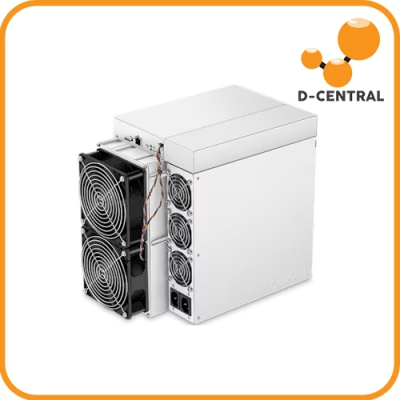
Bitcoin mining hardware is power-hungry by design. A single Antminer S21 XP draws around 3,600W at the wall. Scale that to a few hundred units and you are looking at megawatt-level sustained loads — 24 hours a day, 365 days a year, with zero tolerance for interruption.
General data centers provision power for intermittent, variable workloads. A web server might spike during peak traffic and idle overnight. Mining ASICs do not idle. They run at full tilt, every second, pulling maximum amperage from every circuit. This mismatch creates real problems:
Circuit Overloads and Breaker Trips
Data center electrical panels are rated for average loads across diverse equipment. When mining rigs draw sustained maximum power, circuits trip. Breakers blow. Downstream equipment loses power. The data center’s own non-mining customers get caught in the crossfire, and the facility operator starts looking for someone to blame — usually the miners.
Power Cost Structure
General data centers price power into their rack rental fees, often at retail electricity rates plus a hefty margin. They are selling uptime guarantees, redundant UPS systems, and generator backup — features you pay for whether you need them or not. Mining profitability lives and dies on cents per kilowatt-hour. At $0.12-0.15/kWh (common in general data centers), most mining operations bleed money. Purpose-built mining facilities in energy-advantaged regions like Quebec — where hydroelectric power is abundant and rates sit well below $0.10/kWh — fundamentally change the economics.
No Path to Scale
Need to add another 50 machines? In a general data center, that means new contracts, capacity assessments, possible infrastructure upgrades, and months of lead time. Purpose-built mining facilities are designed for density and scale from day one. Adding capacity is an operational question, not an architectural crisis.
Cooling: The Silent Killer of Mining Hardware
ASIC miners convert electricity into two things: hash rate and heat. A lot of heat. The thermal output of a mining operation dwarfs anything a standard server room produces. Managing that heat is not optional — it is the single biggest factor determining whether your hardware lasts three years or three months.
How General Data Centers Cool Equipment
Traditional data centers use precision air conditioning (CRAC/CRAH units) designed around hot-aisle/cold-aisle containment. These systems are engineered for server racks that dissipate 5-15kW per cabinet. A cabinet full of ASIC miners can push 30-50kW or more. The math simply does not work. The cooling infrastructure gets overwhelmed, ambient temperatures rise, and thermal throttling kicks in — reducing your hash rate and your revenue.
What Purpose-Built Mining Facilities Do Differently
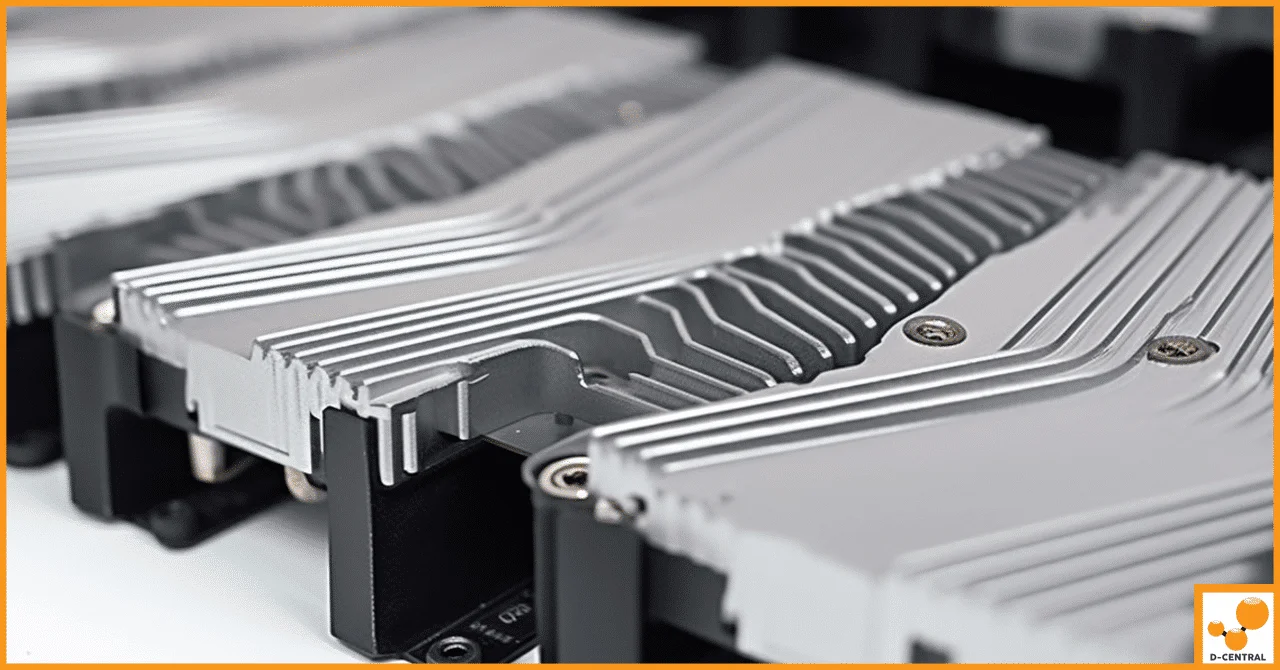
Specialized mining facilities use high-volume airflow systems, evaporative cooling, or immersion cooling — all designed specifically for the thermal profiles of ASIC mining hardware. In cold-climate locations like Quebec, facilities leverage ambient sub-zero winter temperatures for free cooling during half the year, dramatically reducing energy overhead.
The result: mining hardware runs at optimal temperatures, maintains peak hash rates, and experiences significantly fewer thermal-related failures. Every degree matters. ASIC chips degrade faster at elevated temperatures, and thermal cycling (rapid heat-cool cycles from inadequate cooling) accelerates solder joint fatigue on hashboards. This is not theoretical — it is the number one reason ASIC repair shops see failed hashboards come through the door.
The Cost Trap: Paying for Features You Do Not Need
General data centers bundle services that make perfect sense for enterprise IT but are pure overhead for Bitcoin miners. Here is what you are paying for that delivers zero mining value:
- Tier III/IV redundancy: Multiple backup power paths and N+1 cooling redundancy. Enterprise clients need five-nines uptime. Miners need cheap, reliable power — not $50,000 diesel generators sitting idle.
- Physical security theatre: Biometric access, mantrap entries, 24/7 security guards, CCTV with 90-day retention. Your Antminers do not store customer PII. A locked facility with cameras is sufficient.
- Network infrastructure: Redundant 10Gbps fiber uplinks, DDoS mitigation, BGP peering agreements. Mining traffic is tiny — each ASIC uses kilobits per second, not gigabits. You are paying for bandwidth you will never touch.
- Compliance certifications: SOC 2, ISO 27001, HIPAA readiness. These cost the facility millions to maintain and get passed through to tenants. Miners gain nothing from them.
All of these features inflate your per-unit hosting cost. A specialized mining colocation strips out the unnecessary layers and focuses investment where it matters: power infrastructure, cooling capacity, and mining-specific operational support.
The Expertise Gap: IT Admins Are Not Mining Operators
When a hashboard fails at 2 AM, you need someone who can diagnose whether it is a dead ASIC chip, a voltage regulator failure, or a firmware issue — not a data center technician trained to swap out NVMe drives and reboot servers.
What General Data Center Staff Know
Networking, virtualization, storage arrays, operating system administration. These are valuable skills in their domain, but they are irrelevant to Bitcoin mining operations. Ask a general data center technician to diagnose a Whatsminer fault code or reconfigure an Antminer’s frequency tables and you will get a blank stare.
What Mining-Specialized Teams Deliver
Purpose-built mining facilities employ staff who understand ASIC hardware at the component level. They can:
- Diagnose hashboard failures and identify specific faulty chips
- Optimize firmware settings for your specific power and cooling environment
- Monitor hash rate deviations and catch failing hardware before it goes fully offline
- Manage pool configurations, firmware updates, and overclock/underclock profiles
- Perform on-site repairs — replacing fans, thermal paste, control boards, and PSUs without shipping hardware across the country
This expertise translates directly into higher uptime and better returns. D-Central Technologies has been repairing ASIC miners since 2016 — that depth of hardware knowledge informs every aspect of how a mining-focused hosting operation should run.
Decentralization: The Principle That Matters Most
Bitcoin was designed to operate without central points of failure. When mining hash rate concentrates in a handful of massive data centers, the network becomes more fragile, more censorable, and more vulnerable to regulatory pressure. This is not a philosophical abstraction — it is a concrete security threat.
The Centralization Risk
In 2021, China’s mining ban took approximately 50% of Bitcoin’s hash rate offline overnight. That was possible because mining had centralized in a single jurisdiction. The same risk exists when hash rate concentrates in a few large facilities, regardless of geography. A single facility failure, regulatory action, or grid emergency can wipe out significant network capacity.
Why Distributed Mining Matters
Every independent miner running hardware — whether at home, in a small colocation facility, or across multiple geographically dispersed hosting sites — strengthens the network. Distributed hash rate means no single point of failure can meaningfully impact Bitcoin’s security or censorship resistance.
This is why D-Central advocates for mining in Canada — specifically in Quebec, where abundant hydroelectric power, cold climate cooling advantages, and a stable regulatory environment create ideal conditions for distributed mining operations. Rather than stacking thousands of machines in a single warehouse, the model should be many facilities across many regions, each serving individual miners and small operations.
Home Mining and Solo Mining
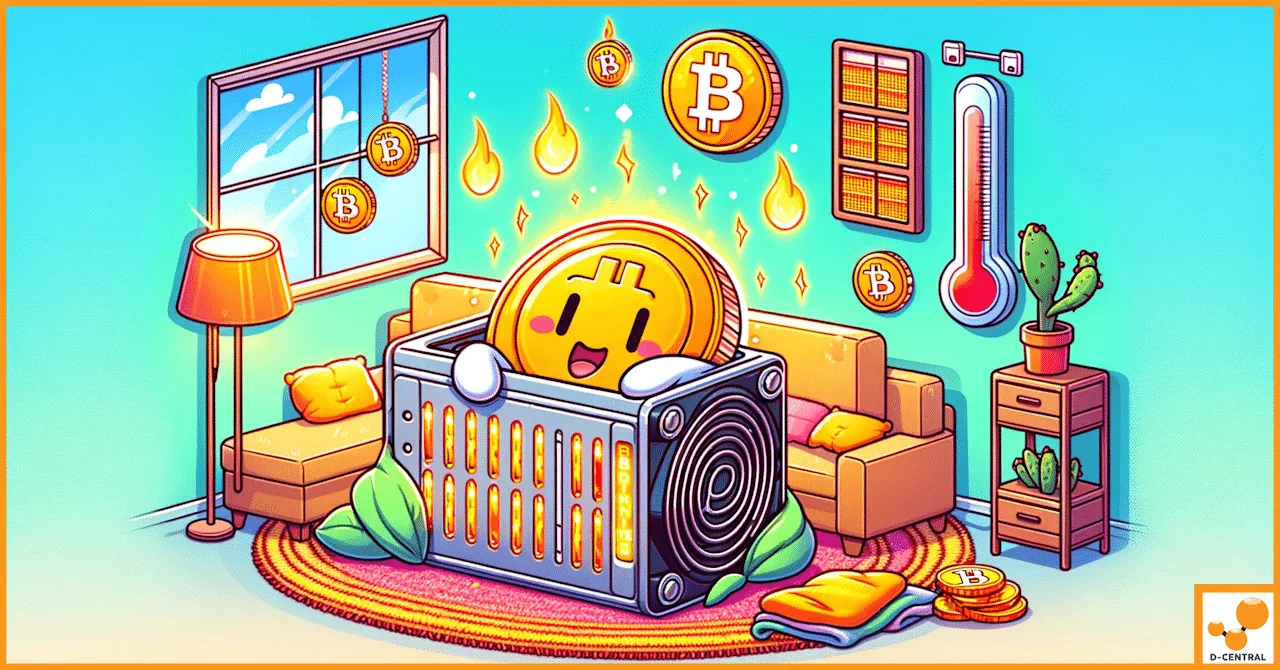
The ultimate expression of decentralized mining is running your own hardware. Whether that means a Bitaxe solo miner on your desk or a Bitcoin Space Heater warming your home, every hash contributes to network security. Colocation should be the next step for miners who outgrow their home setup — not a replacement for the decentralized ethos that makes Bitcoin worth mining in the first place.
What a Purpose-Built Mining Facility Actually Looks Like
If general data centers are the wrong answer, what does the right answer look like? Here is what separates a genuine mining colocation facility from a data center with miners crammed into spare racks:
Power Infrastructure
- Direct utility feeds sized for sustained megawatt loads
- Power distribution designed for high-density ASIC deployments (not server racks)
- Energy contracts negotiated for industrial mining rates, not retail commercial rates
- Electrical systems rated for continuous full-load operation — no shared circuits with non-mining equipment
Cooling Architecture
- High-CFM ventilation systems designed for the thermal output of ASIC hardware
- Climate-optimized design: facilities in cold regions like Quebec exploit ambient temperatures for natural cooling
- Immersion cooling options for high-value hardware that benefits from maximum thermal stability
- No precision HVAC overkill — mining facilities need volume airflow, not surgical temperature control
Operational Model
- Pricing based on power consumption ($/kWh), not rack space
- On-site technical staff with ASIC repair and maintenance capabilities
- Remote monitoring dashboards showing real-time hash rate, power draw, and temperature per unit
- Flexible scaling — add or remove machines without months of contract renegotiation
D-Central’s Hosting in Quebec
D-Central Technologies operates its mining hosting facility in Montreal, Quebec — a location chosen specifically for its advantages to Bitcoin miners. Quebec’s hydroelectric grid provides some of the cleanest and most affordable power in North America. The cold northern climate delivers free cooling for roughly half the year. And the facility is staffed by the same team that has been repairing and optimizing ASIC miners since 2016.
This is not a data center that happens to accept miners. It is a mining operation that happens to offer colocation — a critical distinction.
How to Evaluate a Mining Colocation Provider
Not all mining hosting is equal either. Here is a checklist for evaluating whether a facility is genuinely built for mining or just marketing to miners:
- Ask about power rates and structure. If they quote per-rack or per-U pricing instead of $/kWh, they are a data center, not a mining host.
- Ask about cooling design. If the answer involves “precision air conditioning” or “hot aisle containment,” the facility was not designed for ASIC thermal loads.
- Ask about on-site mining expertise. Can they diagnose a hashboard? Do they stock replacement fans and PSUs? Do they understand pool configuration and firmware management?
- Ask about their other tenants. If the facility primarily hosts enterprise IT workloads, your miners will always be the problem child — the loudest, hottest, most power-hungry tenant in the building.
- Ask about scaling. Can you add 20 machines next month without a new contract negotiation? Purpose-built facilities plan for this. Data centers do not.
- Ask about their relationship with Bitcoin. Do they understand mining economics? Do they know what difficulty adjustment means? A host that understands Bitcoin is a host that will not panic when prices drop and will not try to renegotiate your contract when margins tighten.
Frequently Asked Questions
What is Bitcoin mining colocation?
Mining colocation is a service where you own the mining hardware but house it in a third-party facility that provides power, cooling, physical security, and optionally maintenance. You retain ownership of the machines and the Bitcoin they mine. The host provides the infrastructure to run them efficiently at a cost per kilowatt-hour that is typically lower than what you could achieve at home or in a commercial space.
Why are general data centers a poor fit for Bitcoin mining?
General data centers are built for intermittent IT workloads — servers, storage, networking equipment — that have very different power, cooling, and support requirements than ASIC miners. Data centers charge premium rates for redundancy, security, and compliance features that provide no value to mining operations. Their cooling systems cannot handle the concentrated heat output of ASICs, and their staff lack the specialized knowledge to maintain mining hardware.
How much power does a Bitcoin miner actually use?
Current-generation miners like the Antminer S21 XP consume approximately 3,600W continuously. Older models like the S19 series draw 2,800-3,250W. Unlike servers that have variable loads, ASIC miners run at full power 24/7/365. A facility hosting 100 S21 units needs 360kW of sustained capacity — a load profile that most general data centers are not designed to support on a per-client basis.
What makes Quebec a good location for Bitcoin mining hosting?
Quebec offers three major advantages for Bitcoin mining: hydroelectric power (among the cheapest and cleanest electricity in North America), a cold climate that provides free or low-cost cooling for roughly six months of the year, and a stable regulatory environment. D-Central operates its hosting facility in Montreal, Quebec, leveraging all three of these advantages for its colocation clients.
Can I mine Bitcoin at home instead of using colocation?
Yes, and D-Central actively encourages home mining as the most decentralized approach. For smaller setups — a Bitaxe solo miner, a NerdAxe, or even a Bitcoin Space Heater that doubles as home heating — running at home is ideal. Colocation makes sense when you scale beyond what your home electrical panel and noise tolerance can handle, or when your residential electricity rate makes mining unprofitable.
How does mining colocation pricing work?
Legitimate mining colocation is priced per kilowatt-hour of electricity consumed. The host meters your power usage and bills accordingly, typically on a monthly basis. This rate includes facility overhead (cooling, maintenance, physical security). Be wary of hosts that charge per-rack, per-unit, or flat monthly fees — these pricing models are borrowed from general data centers and usually result in miners overpaying.
What happens to my miners if the hosting company goes out of business?
This is a legitimate concern. You own the hardware, so legally it remains your property. Choose a host with a track record, a physical address you can verify, and clear contractual terms about hardware retrieval. D-Central has been operating since 2016 and maintains a physical facility in Montreal, Quebec — this longevity and transparency matter when you are entrusting hardware worth thousands of dollars to a third party.
Does mining centralization actually threaten Bitcoin?
Yes. When hash rate concentrates in a small number of large facilities or a single jurisdiction, Bitcoin becomes more vulnerable to coordinated attacks, regulatory crackdowns, and infrastructure failures. China’s 2021 mining ban demonstrated this risk in practice — roughly half the network’s hash rate disappeared overnight. Distributed mining across many facilities, regions, and individual home miners is essential for Bitcoin’s long-term security and censorship resistance.
What should I look for in a mining colocation contract?
Key contract terms to evaluate: electricity rate ($/kWh), minimum commitment period, scaling flexibility (can you add or remove machines?), liability for hardware damage, insurance coverage, maintenance and repair responsibilities, hardware retrieval terms, and notice periods for rate changes. Avoid contracts that lock you in for years with no exit clause or that allow the host to unilaterally change power rates.
Does D-Central offer mining hosting services?
Yes. D-Central Technologies operates a mining hosting facility in Montreal, Quebec. The facility is purpose-built for ASIC mining, leveraging Quebec’s hydroelectric power and cold climate. On-site staff have deep expertise in ASIC hardware repair and maintenance — the same team that has been servicing miners since 2016. Contact D-Central for current availability and rates.