
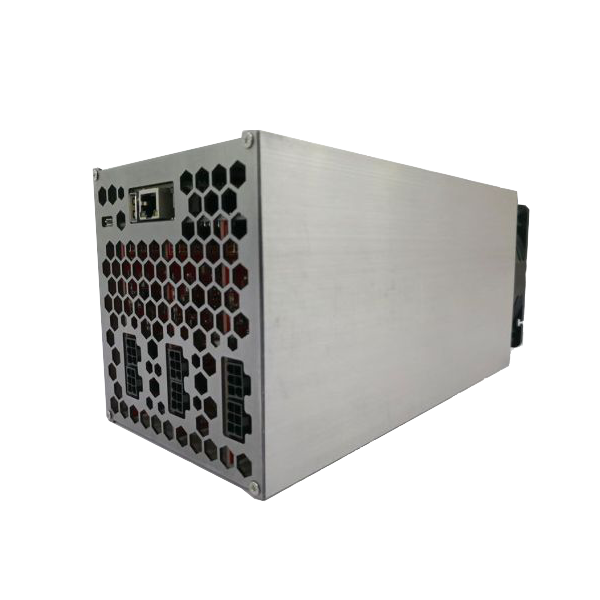
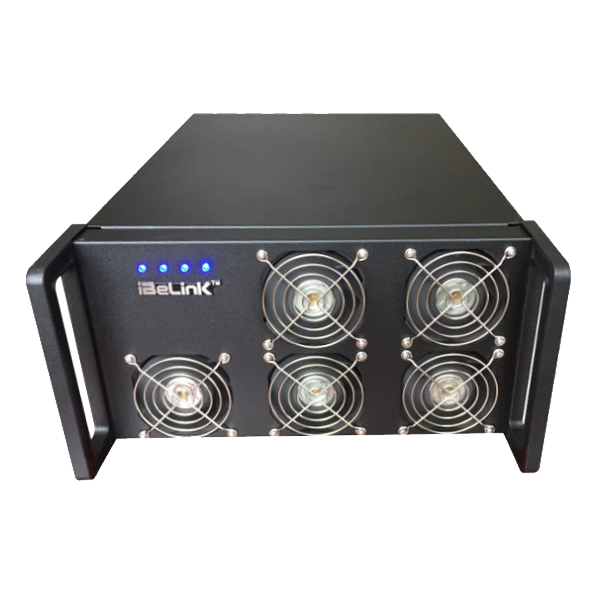
Baikal BK-X vs iBeLink DM11G
Side-by-side specs, profitability, and home mining comparison.
Specifications Comparison
| Baikal BK-X | Specification | iBeLink DM11G |
|---|---|---|
| 10.0 GH/s | Hashrate | 10.8 GH/s |
| 630 W | Power Consumption | 810 W |
| 63,000.0 J/TH | Efficiency | 75,000.0 J/TH |
| — | Noise Level | — |
| 3,700.0 kg | Weight | 19,000.0 kg |
| 2,150 BTU/hr | BTU Output | 2,764 BTU/hr |
| 30/100 | Home Mining Score | 28/100 |
| — | Release Year | — |
| X11 | Algorithm | X11 |
| Baikal | Manufacturer | iBeLink |
Profitability Comparison
Baikal BK-X
iBeLink DM11G
Based on BTC price of $74,273 and current network difficulty as of Mar 16, 2026. Actual results vary.
Verdict
Based on specs, the Baikal BK-X offers 16% better efficiency at 63,000.0 J/TH compared to the iBeLink DM11G at 75,000.0 J/TH. This directly impacts daily operating costs and long-term profitability.
Best For...
Best for Profitability
TieBoth miners produce similar daily profit.
Best for Home Mining
Baikal BK-XScore: 30/100. 0 dB noise level.
Best for Efficiency
Baikal BK-X63,000.0 J/TH — lower electricity cost per terahash.
Frequently Asked Questions
Is the Baikal BK-X or iBeLink DM11G more profitable?
At the current BTC price and a $0.10/kWh electricity rate, the Baikal BK-X is more profitable at $-1.51/day compared to $-1.94/day for the iBeLink DM11G. Profitability depends heavily on your electricity rate — use the selector above to calculate with your actual costs.
Which is quieter, the Baikal BK-X or iBeLink DM11G?
Both miners have similar noise levels. Check the specs table above for exact decibel readings.
Which is better for home mining, the Baikal BK-X or iBeLink DM11G?
The Baikal BK-X scores 30/100 on our Home Mining Score (vs 28/100 for the iBeLink DM11G). This composite score factors in noise, power requirements, heat output, size, and setup ease — all critical for residential mining.
What is the efficiency difference between Baikal BK-X and iBeLink DM11G?
The Baikal BK-X runs at 63,000.0 J/TH while the iBeLink DM11G runs at 75,000.0 J/TH — a difference of 12,000.0 J/TH. Lower efficiency means less electricity per terahash of mining power, directly reducing operating costs.