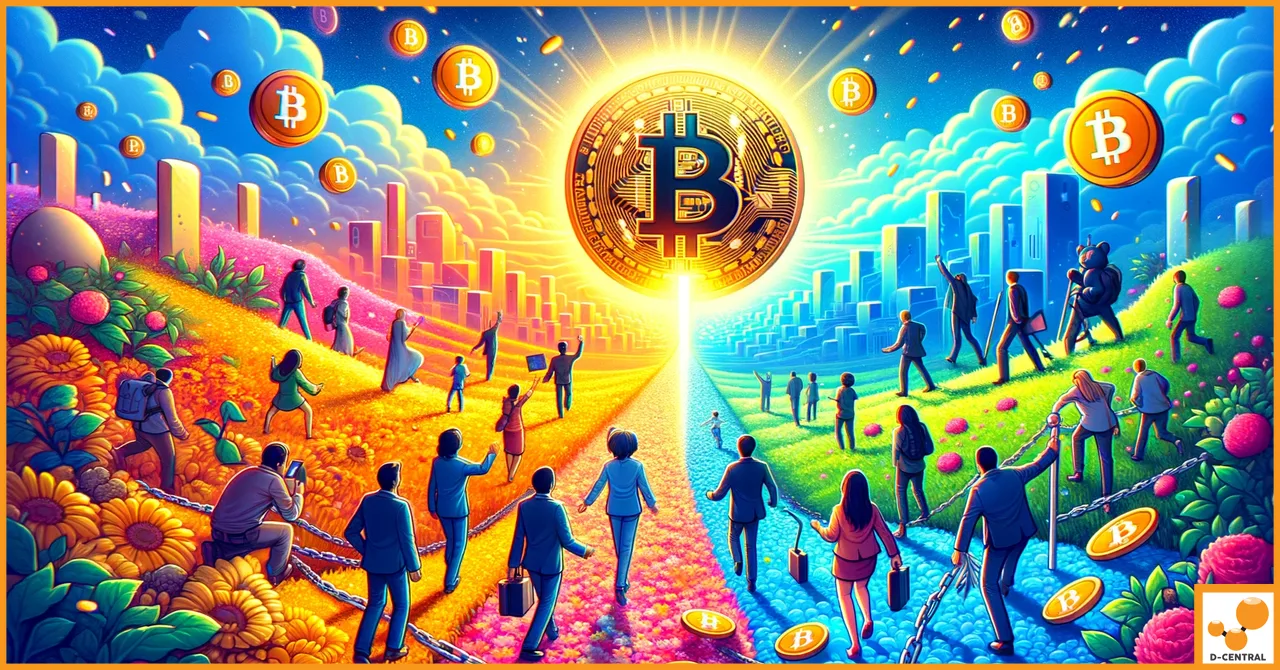
Bitcoin: The Pinnacle of Digital Scarcity and Blockchain’s True Value
Bitcoin, the first and most widely recognized cryptocurrency, was introduced in 2009 by an individual or group using the pseudonym Satoshi Nakamoto.
Bitcoin, the first and most widely recognized cryptocurrency, was introduced in 2009 by an individual or group using the pseudonym Satoshi Nakamoto.
The fiscal landscapes of the United States and Canada are marked by escalating national debts, a trend that has accelerated due to recent economic challenges including the COVID-19…
Cryptocurrency mining, a critical process for validating transactions and securing blockchain networks, has seen exponential growth alongside the rising popularity of digital currencies like Bitcoin.
Money is the fundamental thread of modern society, woven through daily life, commerce, and global economies.
In the digital age, the quest for a secure, decentralized form of currency culminated in the creation of Bitcoin, a pioneering cryptocurrency that emerged in 2009 from the shadows of the…
In recent years, the digital currency landscape has undergone a remarkable transformation, capturing the attention of investors, governments, and financial institutions worldwide.
Bitcoin has emerged as a beacon of innovation in global finance, challenging traditional monetary systems and reshaping the way we perceive and engage with money.
In today’s interconnected world, the traditional financial system plays a pivotal role in the global economy, facilitating transactions, savings, investments, and international trade.
In an era marked by unprecedented economic fluctuations and geopolitical uncertainties, individuals and institutions alike are on a relentless quest for strategies that can shield their…