
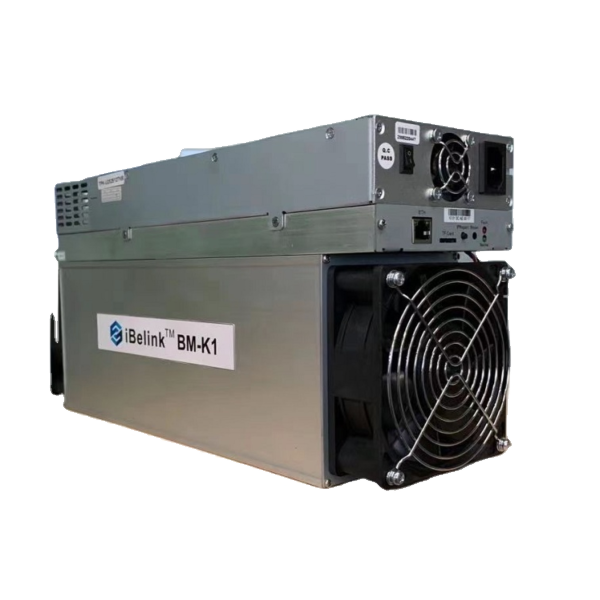
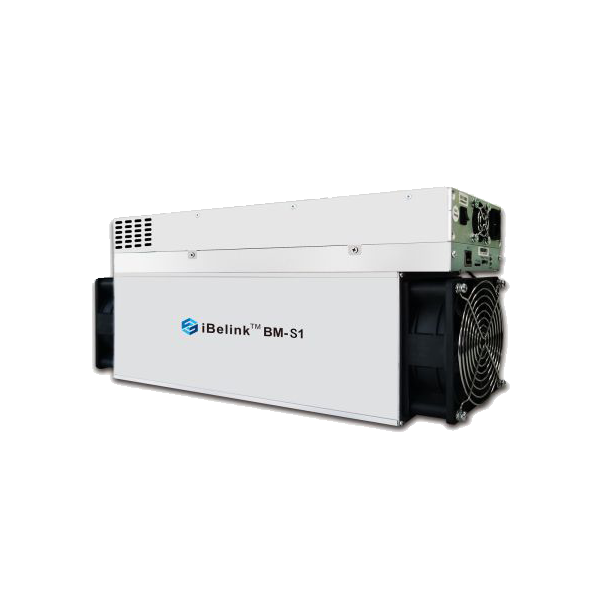
iBeLink BM-K1 vs iBeLink BM-S1
Side-by-side specs, profitability, and home mining comparison.
Specifications Comparison
| iBeLink BM-K1 | Specification | iBeLink BM-S1 |
|---|---|---|
| 5.3 TH/s | Taux de hachage | 6.8 TH/s |
| 835 W | Consommation électrique | 2,350 W |
| 157.6 J/TH | Efficiency | 345.6 J/TH |
| — | Niveau de bruit | — |
| 6.6 kg | Weight | 9.0 kg |
| 2,849 BTU/hr | BTU Output | 8,018 BTU/hr |
| 28/100 | Home Mining Score | 26/100 |
| — | Release Year | — |
| Blake2s | Algorithme | Blake2b-sia |
| iBeLink | Manufacturer | iBeLink |
Profitability Comparison
iBeLink BM-K1
iBeLink BM-S1
Based on BTC price of $73,537 and current network difficulty as of May 30, 2026. Actual results vary.
Verdict
Weighing six performance factors, the iBeLink BM-K1 comes out ahead — it takes 3 of 5 (efficacité, consommation électrique, score de minage domestique). The standout gap is 64% better power draw (835 vs 2,350 W) in the iBeLink BM-K1's favour. The iBeLink BM-S1 claws back ground on hashrate and rapport qualité-prix. Cross-check the spec deltas and operating-cost table above against your own electricity rate before deciding.
Spec Deltas
The iBeLink BM-K1 and iBeLink BM-S1 diverge on the metrics below — each gap expressed as a real percentage, not a vague "better":
- iBeLink BM-S1 28% more hashrate (5.3 vs 6.8 TH/s)
- iBeLink BM-K1 64% better power draw (835 vs 2,350 W)
- iBeLink BM-K1 54% better efficacité (158 vs 346 J/TH)
- iBeLink BM-K1 27% better weight (6.6 vs 9.0 kg)
- iBeLink BM-S1 181% more heat output (2,849 vs 8,018 BTU/hr)
- iBeLink BM-K1 8% more score de minage domestique (28.0 vs 26.0)
Cost & ROI Over Time
A miner pays for itself in profit, not specs. These projections track upfront cost against one, two and three years of net earnings at $0.10/kWh.
| iBeLink BM-K1 | Metric | iBeLink BM-S1 |
|---|---|---|
| $9,855 | Upfront cost (MSRP) | $768 |
| -$1.83 | Daily net profit | -$5.41 |
| -$10,522 | Net after 1 year | -$2,744 |
| -$11,189 | Net after 2 years | -$4,720 |
| -$11,856 | Net after 3 years | -$6,696 |
| Does not pay back at current rates (negative daily profit) | Payback period | Does not pay back at current rates (negative daily profit) |
Projections assume continuous operation, a flat $0.10/kWh rate, and no hardware degradation, pool fees, or BTC price change. Real-world ROI varies.
Best For...
Best for Profitability
TieBoth miners produce similar daily profit.
Best for Home Mining
iBeLink BM-K1Score: 28/100. 0 dB noise level.
Best for Efficiency
iBeLink BM-K1157.6 J/TH — lower electricity cost per terahash.
Frequently Asked Questions
iBeLink BM-K1 vs iBeLink BM-S1: which one earns more per day?
At the current BTC price and a $0.10/kWh electricity rate, the iBeLink BM-K1 is more profitable at $-1.83/day compared to $-5.41/day for the iBeLink BM-S1. Profitability depends heavily on your electricity rate — use the selector above to calculate with your actual costs.
iBeLink BM-K1 vs iBeLink BM-S1: which runs at a lower noise level?
Both miners have similar noise levels. Check the specs table above for exact decibel readings.
Which is better for home mining, the iBeLink BM-K1 or iBeLink BM-S1?
The iBeLink BM-K1 scores 28/100 on our Home Mining Score (vs 26/100 for the iBeLink BM-S1). This composite score factors in noise, power requirements, heat output, size, and setup ease — all critical for residential mining.
iBeLink BM-K1 vs iBeLink BM-S1: how much does the efficiency gap matter?
The iBeLink BM-K1 runs at 157.6 J/TH while the iBeLink BM-S1 runs at 345.6 J/TH — a difference of 188.0 J/TH. Lower efficiency means less electricity per terahash of mining power, directly reducing operating costs. In relative terms that is 54% better efficacité (158 vs 346 J/TH).