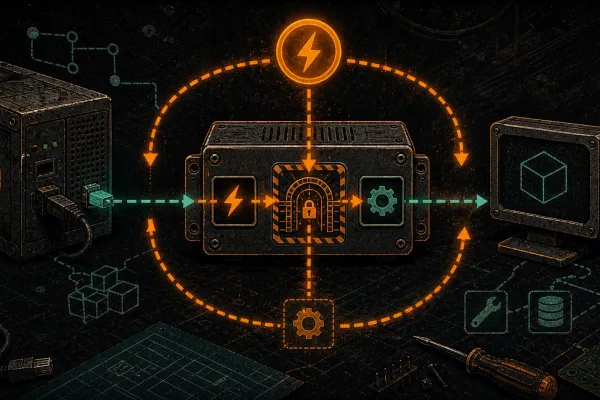
An MCP Tool That Pays Per Call Over L402
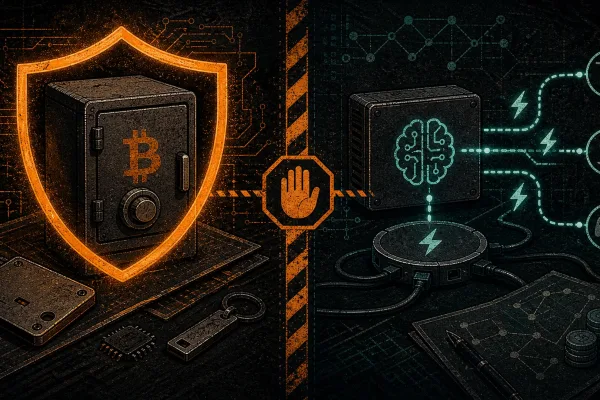
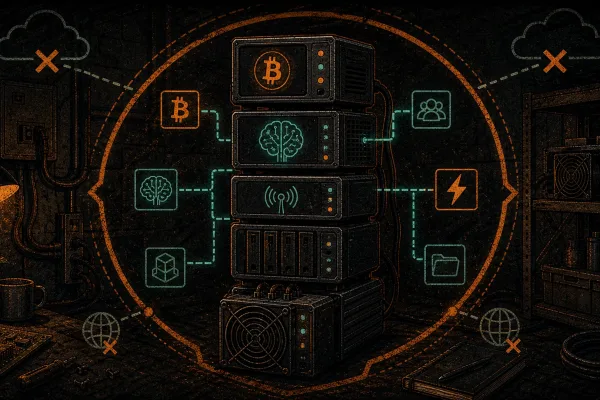
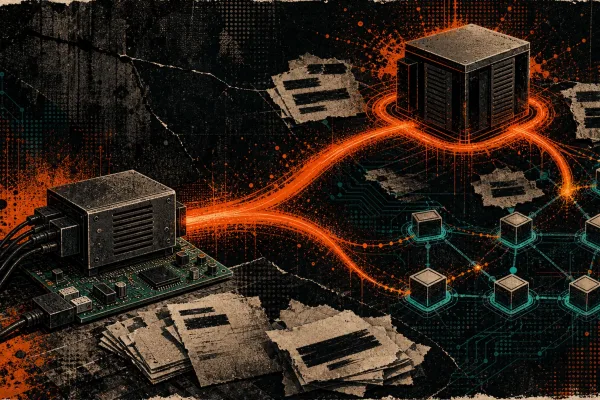
Gate an MCP tool behind an L402 paywall so any AI agent that calls it pays sats per invocation — no accounts, no API keys, no middleman. The reference shape, what you can sell, and the honest limits.
Mining knowledge, repair guides, and industry insights from the workshop floor.
Gate an MCP tool behind an L402 paywall so any AI agent that calls it pays sats per invocation — no accounts, no API keys, no middleman. The reference shape, what you can sell, and the honest limits.
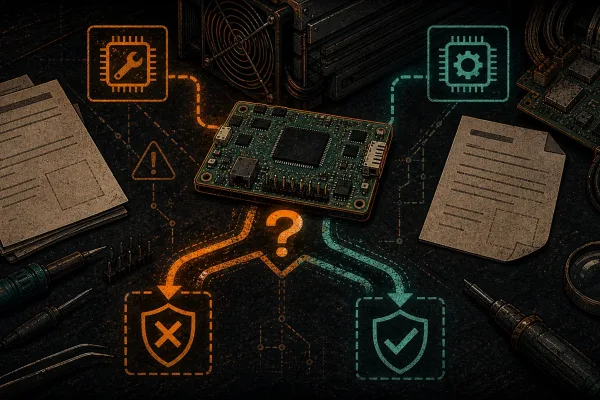
The honest answer is yes — flashing third-party firmware generally voids your Bitmain warranty. Here is what that coverage is actually worth, the ownership trade you are really making, and how a real repair lab de-risks it.
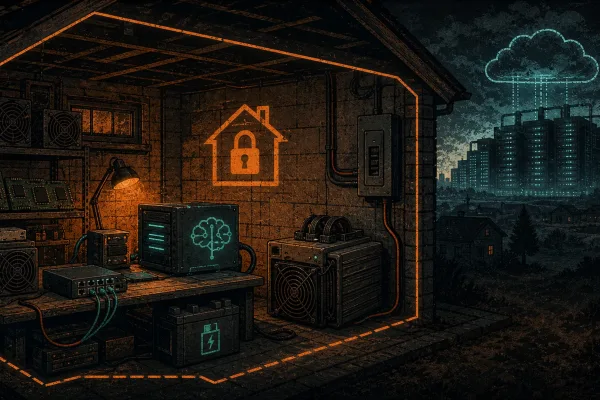
“Sovereign AI” is being sold as a national GPU buildout. The Bitcoiner reframe: real sovereignty is individual — your hardware, your open-weight model, your basement — the same logic as running your own node.
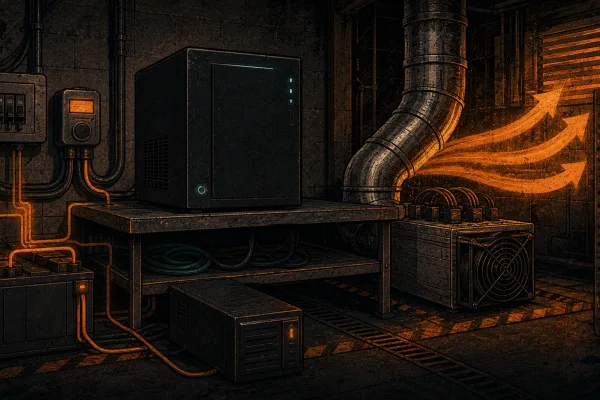
Every Ollama guide stops at “ollama run.” The real sovereignty question is the power, cooling, and heat under a box that runs 24/7 — the exact thing Bitcoin miners already understand.
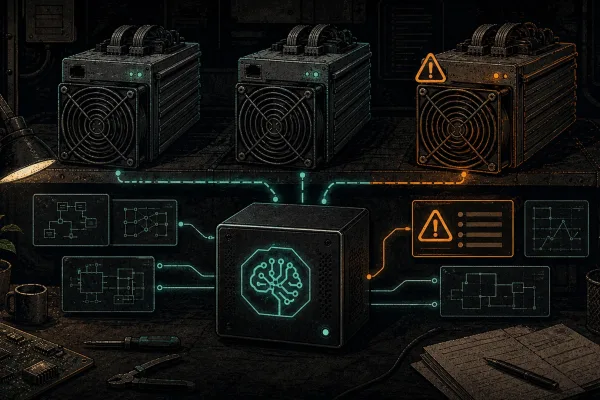
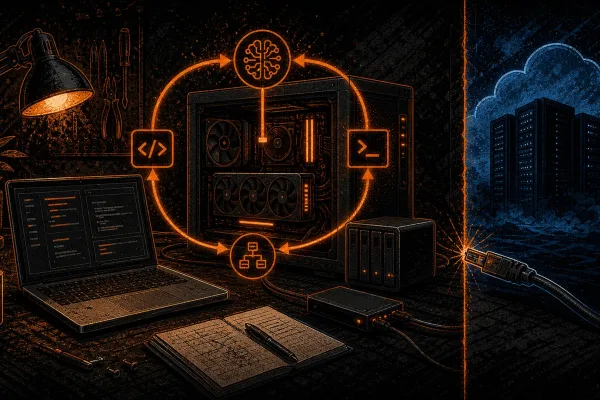
Run a local LLM on your own host box to read your miner logs, explain cryptic errors in plain language, and babysit your rigs overnight. It runs on your hardware next to the ASIC, never on the miner, grounded in D-Central error-code data, and it never phones home.
AI agents are starting to spend sats over Lightning. The number-one self-custody mistake is handing an autonomous agent your real keys. Here are the rules that keep an agent useful but contained: hot/cold separation, tiny floats, per-agent budgets, watch-only monitoring, and clean revocation.
Coding agents like Claude Code call hosted models by default — they do not run Claude offline. The honest air-gapped path: point an open agent harness (Codex) at a local open-weight model via Ollama. Here is what really runs offline, the hardware you need, and the honest capability gap.
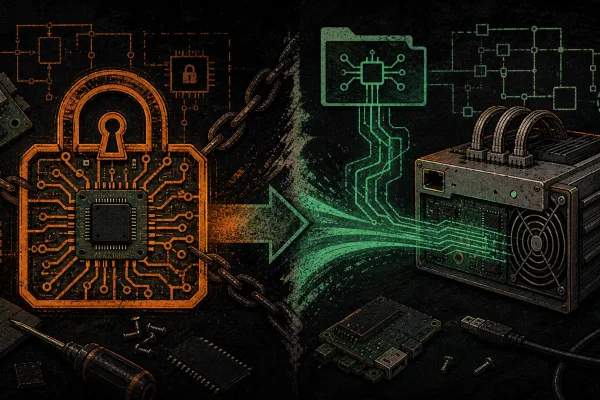
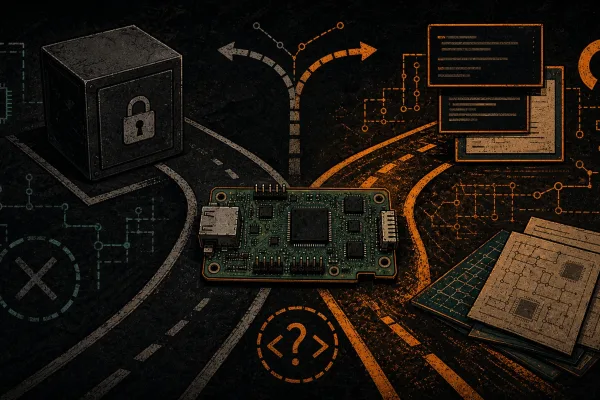
On Antminers shipped after March 2024, Bitmain locked the Amlogic control board so it resists non-stock firmware. Here is what the lock affects, why it is a sovereignty problem, and how open firmware restores real ownership of hardware you already paid for.
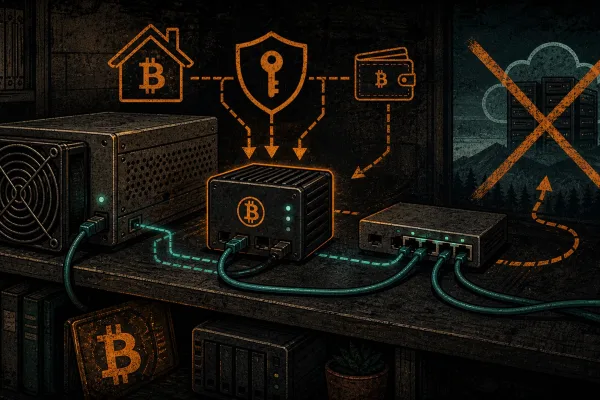
You already run a node on hardware you own. That same sovereign box can host an open agent (Hermes, by Nous Research) instead of renting a VPS. Own your compute the way you own your keys – honestly, with the trade-offs spelled out.
You already own your money and run your node. Local AI is the next layer — own your compute the way you own your keys. A Bitcoiner’s honest guide to the self-sovereign local-AI stack: Ollama, open-weight models, MCP, and a GPU you own. A backup to rented intelligence, not a replacement for Bitcoin.
Honest take on VNish alternatives for operators who value auditability over maturity. We credit VNish first, then map the open-source spectrum from BraiinsOS+ to the S9-only DCENT_OS beta.
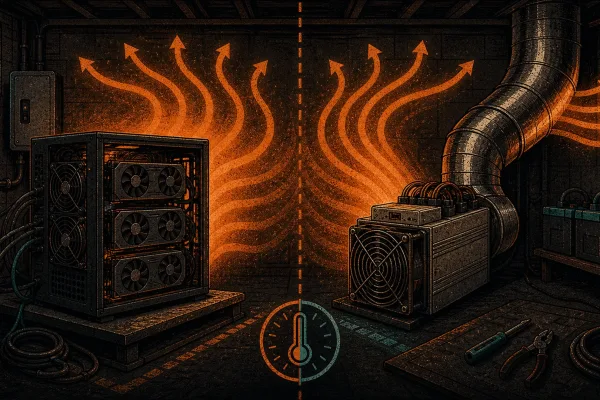
Both an AI GPU and a Bitcoin ASIC turn nearly 100% of their watts into heat (1W = 3.412 BTU/hr). The honest difference: the ASIC runs constant and hot 24/7 and earns sats, the GPU runs bursty and idle-cold and earns tokens, and a rented heat box earns you nothing. No free heat, just thermodynamics with a payout.
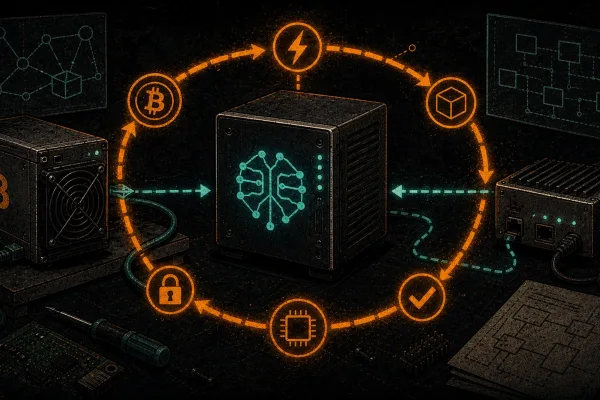
Sovereign compute means running AI inference on hardware you own and paying for it in Bitcoin over Lightning with no account. Here is the canonical definition of the sovereign compute loop — your hardware, your model, your money — and how L402 pay-per-inference closes it.
Should you buy a used ASIC in 2026? The corporate mining-to-AI pivot is flooding the secondary market with cheap S19-class hardware. An honest take on what to buy, what is e-waste, and where open firmware fits.
Antminers ship for 240V data centers, not your basement. The complete guide to running a miner on a standard 110V/120V household circuit – voltage conversion, the Slim Edition and Loki Edition builds, choosing an APW3-class PSU, mounting it safely, and the electrical fire-safety practices that keep home mining from burning the house down.
The complete reference for mining Bitcoin from home – equipment selection, noise and heat management, electrical sizing, profitability math, network security, and why distributed home hashrate keeps Bitcoin decentralized. Built on D-Central’s experience since 2016.
The Bitaxe Touch adds a 4.3-inch touchscreen to the standard Bitaxe boards; the GT (Gamma Turbo) is a pure dual-BM1370 performance board. Here is how the Touch family compares to the GT, and the in-stock Canadian options.
The Bitaxe Gamma Duo (series 650) runs two BM1370 chips for ~1.63 TH/s at ~26 W (~16 J/TH) – the efficiency-first middle rung between the single Gamma and the Gamma Turbo (GT). Specs, ladder placement, and Canadian buying options.
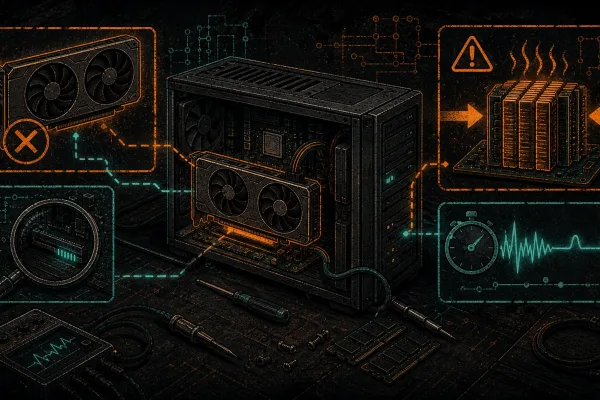
Self-hosted AI breaks. So does firmware. Troubleshooting is a skill plebs already have — this post just translates the common AI failure modes (GPU not detected, OOM on load, slow tokens, service won’t start) into the vocabulary you already use.
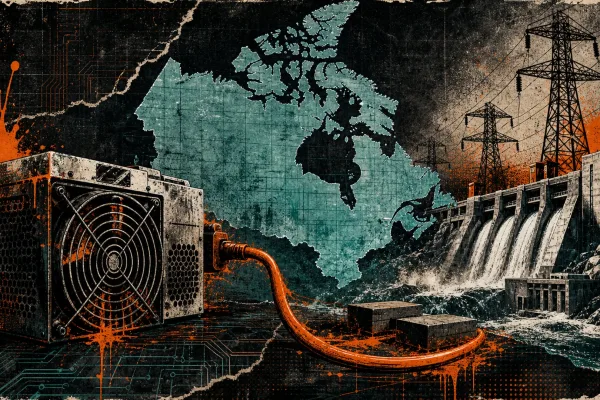
Why Canada Is a Bitcoin Mining Powerhouse Canada is one of the best jurisdictions on Earth for Bitcoin mining, and it is not even close.…
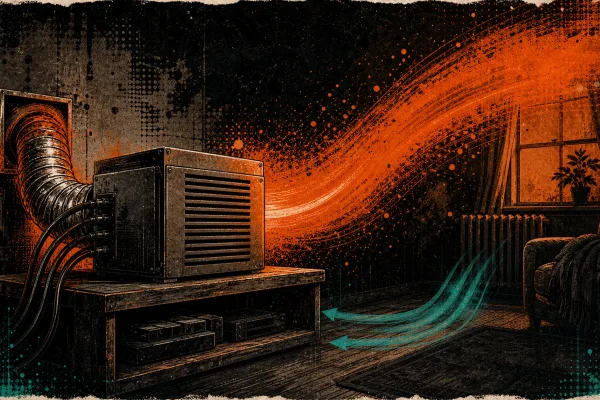
How to Use a Bitcoin Space Heater: Setup, Efficiency, and ROI Every watt of electricity that passes through an electronic device becomes heat. This is…
Introduction: Why Your Pool Choice Matters Every hash you contribute to the Bitcoin network represents a vote for how that hash power gets used. When…
Introduction: The Physics of Dual-Purpose Mining Every watt of electricity consumed by a Bitcoin miner becomes heat. This isn’t a byproduct—it’s physics. The first law…
Introduction: The Decentralization Imperative Bitcoin mining at home isn’t about getting rich quick. It’s about participating in the most robust monetary network humanity has ever…
In a world where Bitcoin mining has become increasingly centralized in massive warehouse operations, a quiet revolution is brewing in basements, home offices, and workshops…
Home Assistant has become the dominant smart home platform for technical users, and Bitcoin miners are no exception. The ability to monitor hashrate, control power…
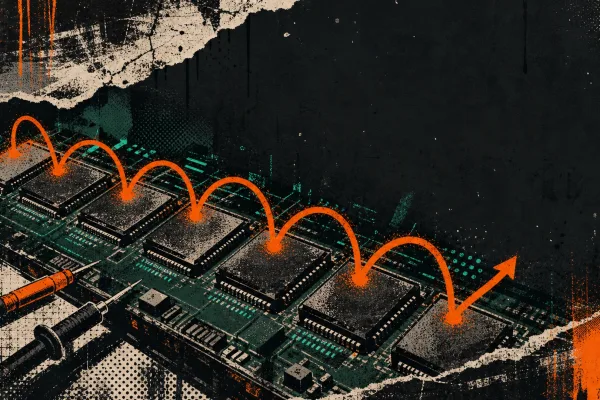
Inside every ASIC miner, hundreds of individual chips work in parallel to compute SHA-256 hashes. But not all chips are created equal. Due to natural…
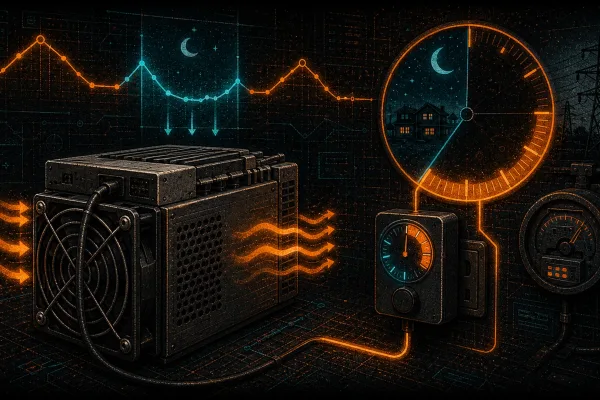
Electricity is the single largest ongoing cost in Bitcoin mining. For home miners, it can mean the difference between profitability and burning money. But most…
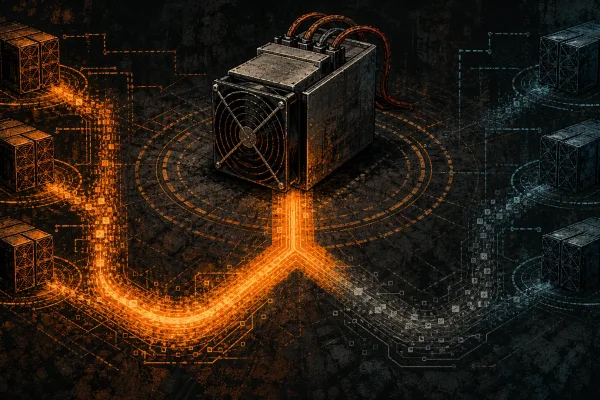
Every hash your ASIC produces has value. But if you are running custom mining firmware, a percentage of those hashes may be quietly redirected to…
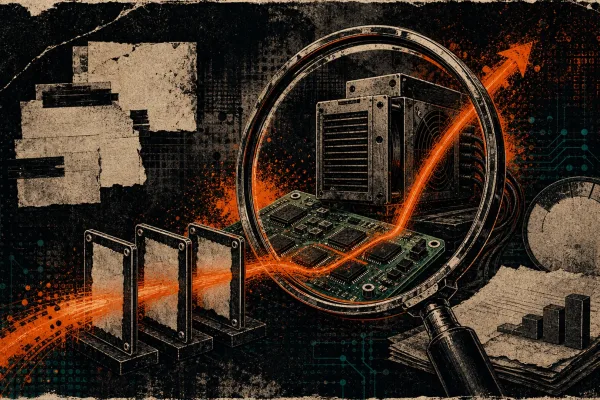
Evaluating a Bitcoin miner is fundamentally a technology assessment, not a financial speculation. The question is not will Bitcoin go up — it is does…
Last reviewed June 11, 2026.