
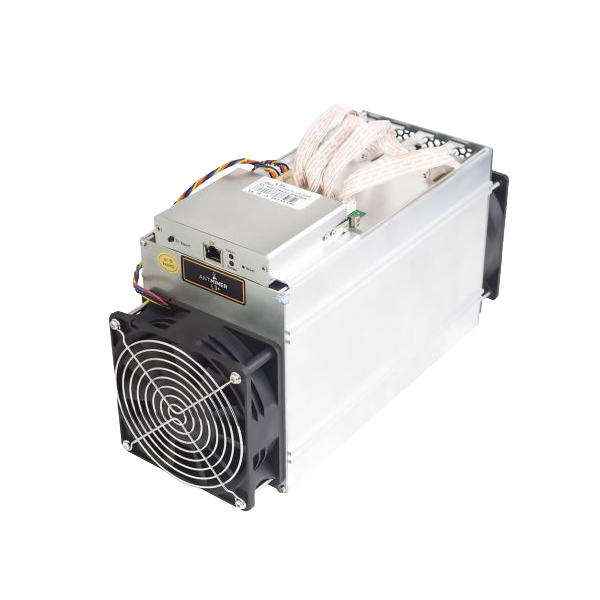
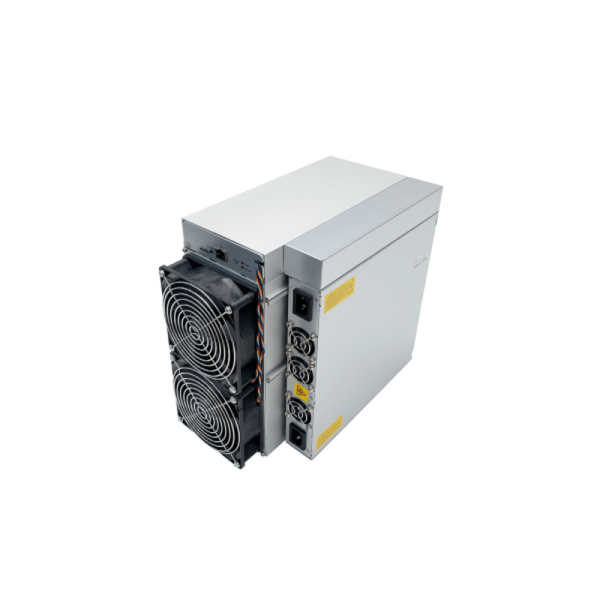
Bitmain Antminer L3+ (600Mh) vs Bitmain Antminer L7 (9.05Gh)
Side-by-side specs, profitability, and home mining comparison.
Specifications Comparison
| Bitmain Antminer L3+ (600Mh) | Specification | Bitmain Antminer L7 (9.05Gh) |
|---|---|---|
| 600.0 MH/s | Hashrate | 9.1 GH/s |
| 850 W | Power Consumption | 3,260 W |
| 1,416,666.7 J/TH | Efficiency | 360,221.0 J/TH |
| — | Noise Level | — |
| 4,400.0 kg | Weight | 13,500.0 kg |
| 2,900 BTU/hr | BTU Output | 11,123 BTU/hr |
| 28/100 | Home Mining Score | 22/100 |
| — | Release Year | — |
| Scrypt | Algorithm | Scrypt |
| Bitmain | Manufacturer | Bitmain |
Profitability Comparison
Bitmain Antminer L3+ (600Mh)
Bitmain Antminer L7 (9.05Gh)
Based on BTC price of $78,165 and current network difficulty as of May 16, 2026. Actual results vary.
Verdict
Run the numbers across every spec and the Bitmain Antminer L7 (9.05Gh) edges it: 3 of 5 factors go its way (efficiency, hashrate, price-performance). Where it pulls away hardest is 1408% more hashrate (0.0 vs 0.0 TH/s). The Bitmain Antminer L3+ (600Mh) claws back ground on power consumption and home mining score. Cross-check the spec deltas and ROI table above against your own electricity rate before deciding.
Spec Deltas
Here is every spec where the Bitmain Antminer L3+ (600Mh) and Bitmain Antminer L7 (9.05Gh) actually differ, with the gap quantified:
- Bitmain Antminer L7 (9.05Gh) 1408% more hashrate (0.0 vs 0.0 TH/s)
- Bitmain Antminer L3+ (600Mh) 74% better power draw (850 vs 3,260 W)
- Bitmain Antminer L7 (9.05Gh) 75% better efficiency (1,416,667 vs 360,221 J/TH)
- Bitmain Antminer L3+ (600Mh) 67% better weight (4,400 vs 13,500 kg)
- Bitmain Antminer L7 (9.05Gh) 284% more heat output (2,900 vs 11,123 BTU/hr)
- Bitmain Antminer L3+ (600Mh) 27% more home mining score (28.0 vs 22.0)
Cost & ROI Over Time
A miner pays for itself in profit, not specs. These projections track upfront cost against one, two and three years of net earnings at $0.10/kWh.
| Bitmain Antminer L3+ (600Mh) | Metric | Bitmain Antminer L7 (9.05Gh) |
|---|---|---|
| $165 | Upfront cost (MSRP) | $750 |
| -$2.04 | Daily net profit | -$7.82 |
| -$910 | Net after 1 year | -$3,606 |
| -$1,654 | Net after 2 years | -$6,461 |
| -$2,399 | Net after 3 years | -$9,317 |
| Does not pay back at current rates (negative daily profit) | Payback period | Does not pay back at current rates (negative daily profit) |
Projections assume continuous operation, a flat $0.10/kWh rate, and no hardware degradation, pool fees, or BTC price change. Real-world ROI varies.
Best For...
Best for Profitability
TieBoth miners produce similar daily profit.
Best for Home Mining
Bitmain Antminer L3+ (600Mh)Score: 28/100. 0 dB noise level.
Best for Efficiency
Bitmain Antminer L7 (9.05Gh)360,221.0 J/TH — lower electricity cost per terahash.
Frequently Asked Questions
Is the Bitmain Antminer L3+ (600Mh) or Bitmain Antminer L7 (9.05Gh) more profitable?
At the current BTC price and a $0.10/kWh electricity rate, the Bitmain Antminer L3+ (600Mh) is more profitable at $-2.04/day compared to $-7.82/day for the Bitmain Antminer L7 (9.05Gh). Profitability depends heavily on your electricity rate — use the selector above to calculate with your actual costs.
Which is quieter, the Bitmain Antminer L3+ (600Mh) or Bitmain Antminer L7 (9.05Gh)?
Both miners have similar noise levels. Check the specs table above for exact decibel readings.
Which is better for home mining, the Bitmain Antminer L3+ (600Mh) or Bitmain Antminer L7 (9.05Gh)?
The Bitmain Antminer L3+ (600Mh) scores 28/100 on our Home Mining Score (vs 22/100 for the Bitmain Antminer L7 (9.05Gh)). This composite score factors in noise, power requirements, heat output, size, and setup ease — all critical for residential mining.
What is the efficiency difference between Bitmain Antminer L3+ (600Mh) and Bitmain Antminer L7 (9.05Gh)?
The Bitmain Antminer L3+ (600Mh) runs at 1,416,666.7 J/TH while the Bitmain Antminer L7 (9.05Gh) runs at 360,221.0 J/TH — a difference of 1,056,445.7 J/TH. Lower efficiency means less electricity per terahash of mining power, directly reducing operating costs. In relative terms that is 75% better efficiency (1,416,667 vs 360,221 J/TH).