GPT-6 Astra Looks Extraordinary. Its “Release” Was a Gatekept Mess
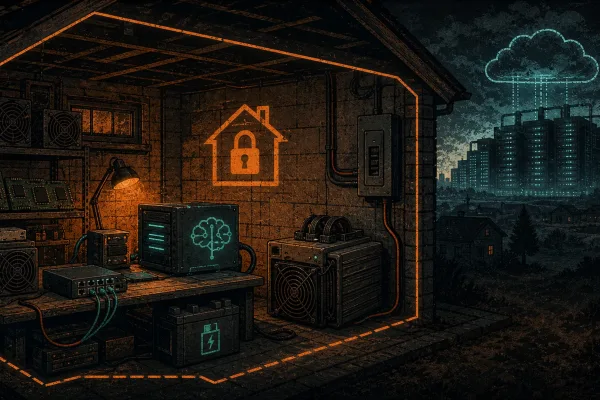
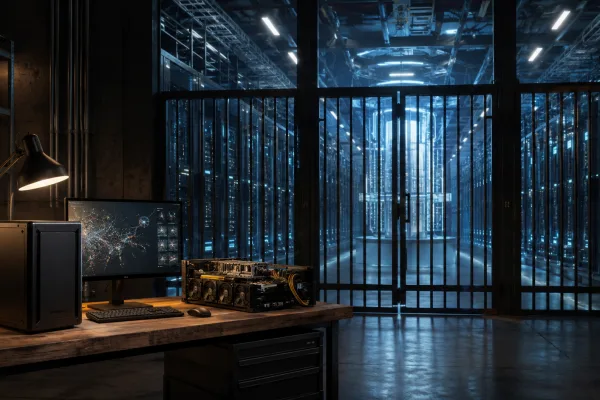
GPT-6 Astra looks like a genuine leap. OpenAI’s overhyped, selectively gated non-release shows why local AI and open weights matter more than ever.
The pleb sovereign stack: comms, identity, hardware tools that complement Bitcoin
GPT-6 Astra looks like a genuine leap. OpenAI’s overhyped, selectively gated non-release shows why local AI and open weights matter more than ever.
Anthropic’s proprietary Fable 5.1 leads across coding, science, computer use, and business workflows. The larger story is what today’s closed frontier previews for tomorrow’s local AI.
D-Central editorial / August 26, 2026 / National sovereignty Canada should own the stack: energy, data, inference, and Bitcoin Personal sovereignty scales. A country that…
D-Central editorial / August 25, 2026 / Canadian energy Stop exporting Canada’s computing advantage one electron at a time Canada should reserve more of its…
Analysis / August 24, 2026 / Canada The tariff crisis is an AI warning—not an AI tariff. Canada’s latest trade shock does not mean a…
D-Central editorial / August 24, 2026 / Canada Canada needs AI inference sovereignty now—not after the next crisis AI access is becoming a condition of…
D-Central analysis / August 23, 2026 / Canada Canada does not need one perfect national model to achieve AI sovereignty A foundation model can be…
D-Central analysis / August 22, 2026 / Canada CUSMA is still in force. Canadian AI still needs a Plan B. The agreement has not vanished,…
D-Central analysis / August 21, 2026 / Canada The U.S. AI platform risk Canadian businesses can no longer ignore The new Canada-U.S. tariffs do not…
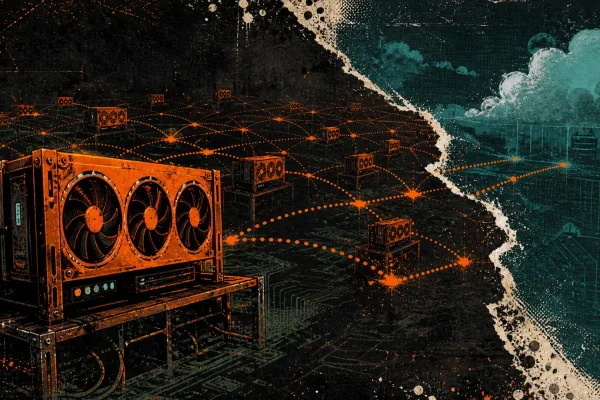
AI compute is running the same concentrate-burn-distribute cycle as Bitcoin mining. GPUs go obsolete like ASICs, over-leveraged operators get burned, and the compute trickles down to the edge — ending in sovereign home mining and home AI inference.
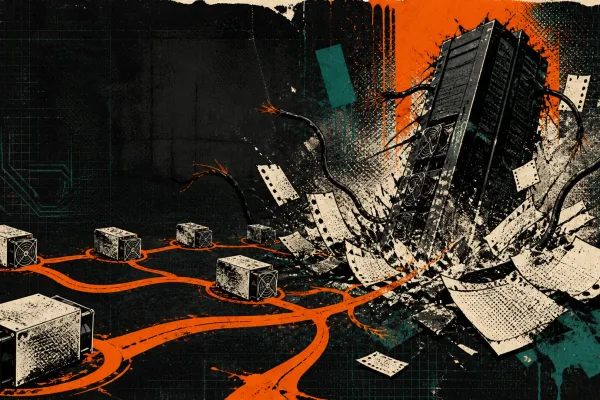
Poolin, once Bitcoin’s largest mining pool, filed Chapter 11 owing $163.7M in frozen IOUs to 11,700 customers. Why mining as a standalone business failed — and why dual-purpose mining is the decentralized future.
How NIP-15 Nostr marketplaces work: stall/product events, the order-payment flow, Shopstr and Plebeian Market, and pairing with Lightning and BTCPay.
NixOS for sovereign Bitcoiners: a declarative, reproducible node plus local AI, Tor and a Nostr relay in one config, with atomic rollbacks.
SimpleX, Briar, Signal, and Nostr DMs compared by threat model: content vs metadata vs social graph. A neutral privacy messaging guide for Bitcoiners.
Clearnet vs Tor vs I2P for your Bitcoin node: real trade-offs on latency, eclipse attacks, and censorship, plus bitcoin.conf snippets to run all three.
How Nostr Data Vending Machines (NIP-90) work: job-kind events, the Lightning-zap payment loop, DVMs vs centralized AI vs DePIN, and running your own.
Automated growing is the food layer of a resilient homestead: an open-source robot that seeds, waters and weeds a raised bed, an open controller that…
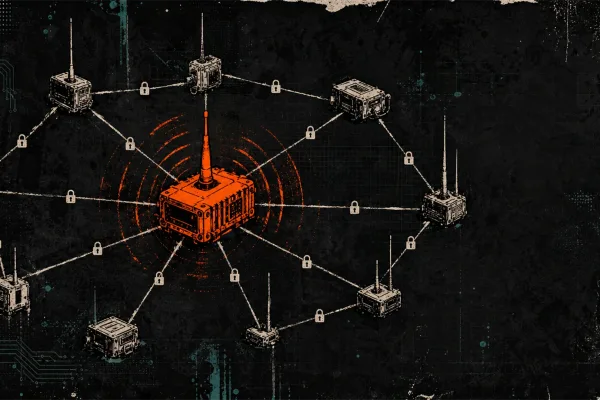
There is no single “best” off-grid messaging protocol for Bitcoiners. The right tool depends on the medium you can use, the range you need, whether…
The Meshtastic MQTT module bridges a local LoRa mesh to the wider internet by letting an internet-connected node act as a gateway that forwards mesh…
GrapheneOS and CalyxOS are de-Googled Android operating systems that turn a supported phone into a privacy-hardened base for Bitcoin, Lightning, Nostr, and other sovereignty tools.…
Ecash on Bitcoin is private, custodial digital cash. Using Chaumian blind signatures, a mint issues bearer tokens backed by Bitcoin and Lightning, but cannot see…
Reticulum is a cryptography-based networking stack, created by Mark Qvist, that lets anyone build local and wide-area networks over almost any medium — LoRa radio,…
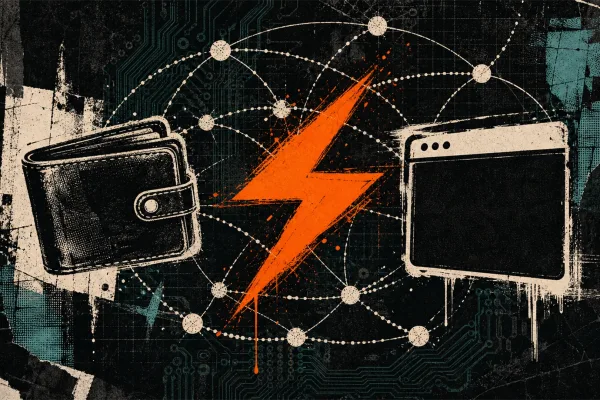
Nostr Wallet Connect (NWC) is an open protocol, defined in NIP-47, that lets any app control a Lightning wallet by exchanging encrypted messages over Nostr…
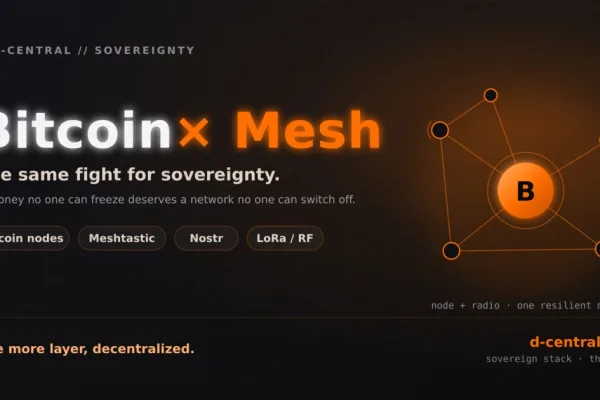
Bitcoin secures money without permission; mesh networks (LoRa, Meshtastic, Reticulum) secure communication the same way. A vision essay on why Bitcoiners and mesh builders are natural allies in one fight for sovereignty.
Tariff whiplash, an AI model switched off worldwide, annexation talk, a downgraded dollar: 18 months of proof that relying on US products is now a business risk.
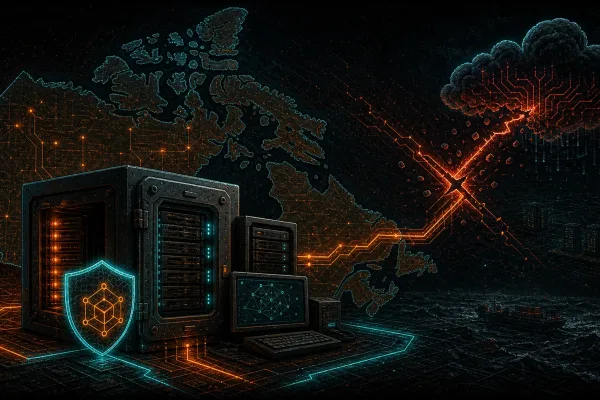
What sovereign AI really means for Canadians: the money, data, and compute we rent from one neighbour, and how to own your AI stack instead of renting it.
Public miners are pivoting power and facilities to AI in 2026 — and the doom take has it backwards. When corporate hashrate leaves, home miners inherit decentralization, used ASICs get cheaper, and open firmware keeps the machines yours.
Industrial Antminers were built for warehouses, and their firmware stayed closed. As Hashcenters dump cheap ASICs, open-source firmware is how plebs reclaim that hardware for the home. The thesis behind DCENT_OS, told honestly.
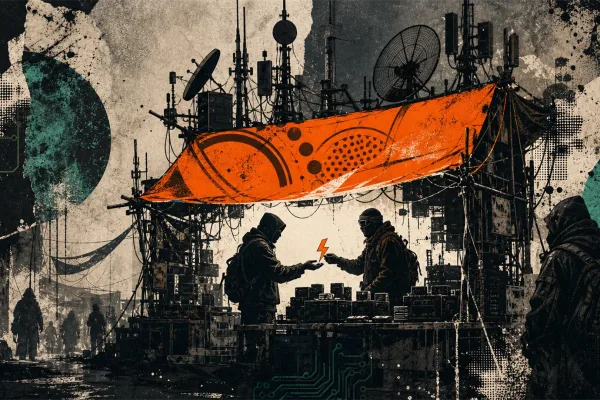
Power and compute are useless if you cannot reach your node, miner, or AI agent when the ISP drops. Here is how a low-bandwidth LoRa mesh plus Nostr keeps the critical signals flowing — honestly, without over-promising broadband.
“Sovereign AI” is being sold as a national GPU buildout. The Bitcoiner reframe: real sovereignty is individual — your hardware, your open-weight model, your basement — the same logic as running your own node.
Last reviewed August 8, 2026.