
Bitaxe Gamma vs Bitaxe Supra
Side-by-side specs, profitability, and home mining comparison.
Quick verdict
For most buyers the Bitaxe Gamma is the stronger pick — Newer BM1370 chip delivers better efficiency — more hashes per watt. The Bitaxe Gamma runs 1,200.0 GH/s at 15.0 J/TH; the Bitaxe Supra runs 700.0 GH/s at 17.1 J/TH.
Specs verified against the D-Central Mining Bible \xc2\xb7 August 2026
Specifications Comparison
| Bitaxe Gamma | Specification | Bitaxe Supra |
|---|---|---|
| 1,200.0 GH/s | Hashrate | 700.0 GH/s |
| 18 W | Power Consumption | 12 W |
| 15.0 J/TH | Efficiency | 17.1 J/TH |
| 38 dB | Noise Level | 35 dB |
| 0.3 kg | Weight | 0.3 kg |
| 61 BTU/hr | BTU Output | 41 BTU/hr |
| 100/100 | Home Mining Score | 100/100 |
| — | Release Year | — |
| SHA-256 | Algorithm | SHA-256 |
| Bitaxe | Manufacturer | Bitaxe |
Profitability Comparison
Bitaxe Gamma
Bitaxe Supra
Based on BTC price of $79,924 and current network difficulty as of Aug 28, 2026. Actual results vary.
Verdict
Two of D-Central's most popular Bitaxe solo miners face off. The Supra uses the BM1368 chip while the Gamma uses the newer BM1370, both designed for lottery-style solo Bitcoin mining.
The Gamma delivers better efficiency thanks to its newer chip, producing slightly more hashrate per watt. However, the Supra's lower price makes it an excellent entry point for solo mining. Both have similar chances of finding a block — the difference in hashrate is tiny compared to network difficulty.
Spec Deltas
Stripped to the numbers, this is how far apart the Bitaxe Gamma and Bitaxe Supra sit on each measurable spec:
- Bitaxe Gamma 71% more hashrate (1,200 vs 700 GH/s)
- Bitaxe Supra 33% better power draw (18.0 vs 12.0 W)
- Bitaxe Gamma 12% better efficiency (15.0 vs 17.1 J/TH)
- Bitaxe Supra 8% better noise (38.0 vs 35.0 dB)
- Bitaxe Gamma 50% more heat output (61.4 vs 40.9 BTU/hr)
Cost & ROI Over Time
Sticker price versus what the miner actually earns back: the table below projects cumulative net profit at a $0.10/kWh electricity rate.
| Bitaxe Gamma | Metric | Bitaxe Supra |
|---|---|---|
| $99 | Upfront cost (MSRP) | $89 |
| $0.00 | Daily net profit | -$0.00 |
| -$97 | Net after 1 year | -$89 |
| -$96 | Net after 2 years | -$90 |
| -$94 | Net after 3 years | -$90 |
| Takes ~57.4 years to pay back at current rates | Payback period | Does not pay back at current rates (negative daily profit) |
Projections assume continuous operation, a flat $0.10/kWh rate, and no hardware degradation, pool fees, or BTC price change. Real-world ROI varies.
Best For...
Best for Profitability
Bitaxe Gamma$0.01/day higher profit at current rates.
Best for Home Mining
TieBoth miners are equally suitable for home use.
Best for Efficiency
Bitaxe Gamma15.0 J/TH — lower electricity cost per unit of hashrate.
Frequently Asked Questions
Does the Bitaxe Gamma have a better chance of finding a block than the Supra?
Technically yes, since it has a marginally higher hashrate. But the probability difference is negligible — both produce such a tiny fraction of network hashrate that solo block finds are pure lottery events regardless.
Which Bitaxe should I buy for my first solo miner?
The Supra is the most popular starting point due to its lower price. If budget allows, the Gamma's better efficiency means slightly lower electricity costs for the same solo mining experience.
Are the Bitaxe Supra and Gamma the same physical size?
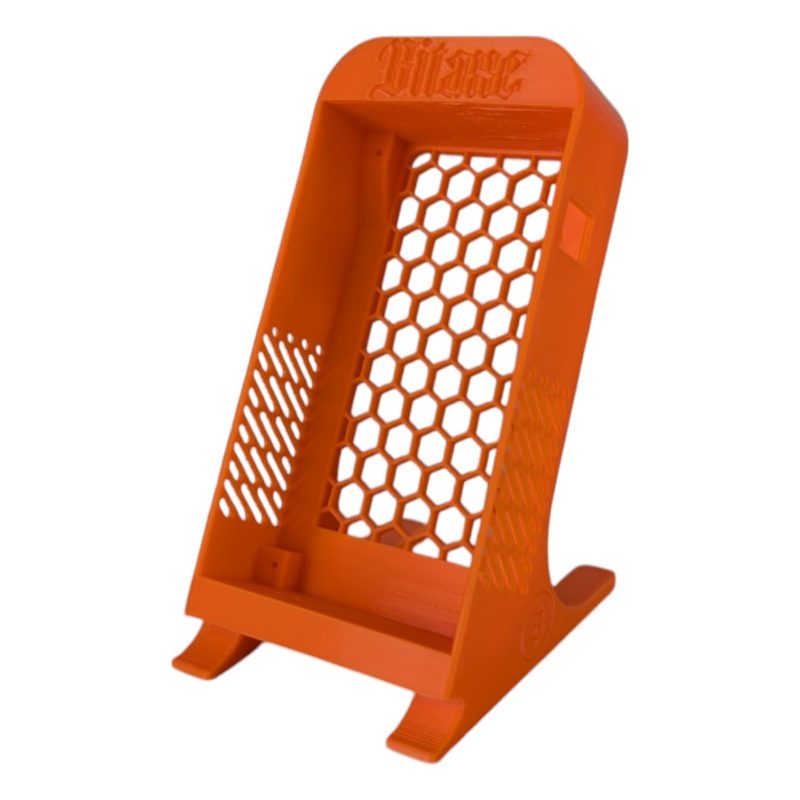
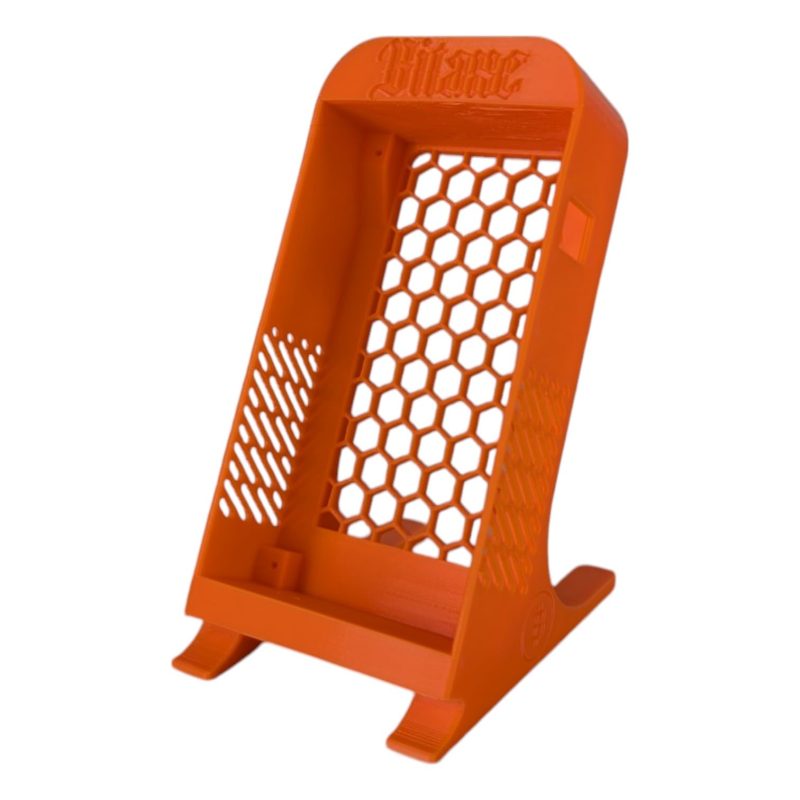
Yes, they share the same form factor and use the same accessories — cases, heatsinks, mesh stands, and 5V barrel jack power supplies are interchangeable.