Solo Bitcoin Mining: Odds, Expected Value, and What You Control
Solo mining is a high-variance way to search for a Bitcoin block. It can be an educational and sovereignty-focused project, but it is not regular income. This guide separates the probability of a block find, the expected value of hashes, and the control you gain only when you operate the relevant parts of the mining stack yourself.
For device setup and hardware support, see the Bitaxe, the Bitaxe Hub, and ASIC repair.
What a hash actually does
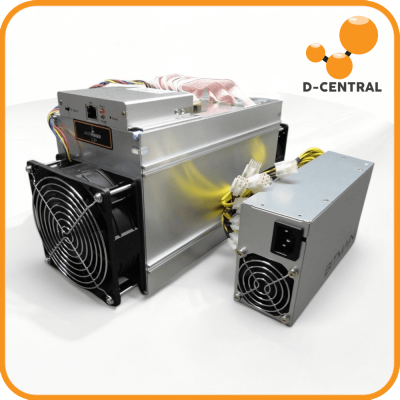
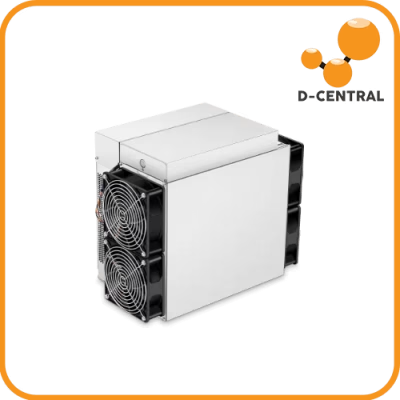
A mining ASIC repeatedly performs SHA-256d on candidate block headers. A full node validates transactions and blocks. Mining software or a template service chooses a candidate transaction set and creates work for the ASIC. A failed hash is normally never submitted to the Bitcoin peer-to-peer network; a pool may receive lower-difficulty shares, and a successful block is broadcast.
Each fresh hash on a valid, current template has an equal independent chance of meeting the network target. That is the useful technical meaning of “every hash counts”; it does not mean every hash is visible to the network, earns value, or materially changes network security on its own. The Bitcoin mining guide describes the solo and pooled workflows.
Solo payout versus self-template mining
A third-party solo service can give a miner full-block payout variance while still constructing the block template itself. In that arrangement, the service commonly selects transactions and distributes jobs. To choose a template yourself, run a validating full node plus mining/template software that obtains candidate data from it. getblocktemplate provides the transaction, target and coinbase-value data used to construct a candidate block.
This distinction matters for censorship-resistance claims. Independent template operation can add a source of block-production diversity. It does not turn an ASIC into a validating node, and a very small hashrate contribution remains very small relative to the network.
Calculate your solo-mining odds
Use the solo mining calculator with measured hashrate and uptime. It should show the difficulty source and timestamp, offer a manual override, and distinguish expected blocks from the probability of at least one block. Do not freeze a network-hashrate or difficulty snapshot into an article: both change continuously.
For hashrate H, elapsed time t, and difficulty D: expected blocks are λ = H × t / (D × 232), and the probability of at least one valid block is 1 − e−λ. The expected subsidy is λ multiplied by the subsidy at the mined height; transaction fees, stale work, uptime and service terms are separate assumptions.
Expected value and variance
Solo and pooled mining can have similar gross expected reward per accepted hash, but their cash-flow patterns are different. A pool distributes small payments under its chosen scheme and fees. Solo mining concentrates uncertainty into rare, large outcomes, and a valid block can still lose a propagation race. Hardware cost, electricity, downtime, taxes, payout terms and fee treatment belong in a separate financial model.
The block subsidy is 3.125 BTC in the current subsidy era; transaction fees are variable and the next subsidy change occurs at a block height. Bitcoin Core’s consensus parameters define the 210,000-block halving interval and target spacing. Read the primary source.
Mining heat: use a real boundary
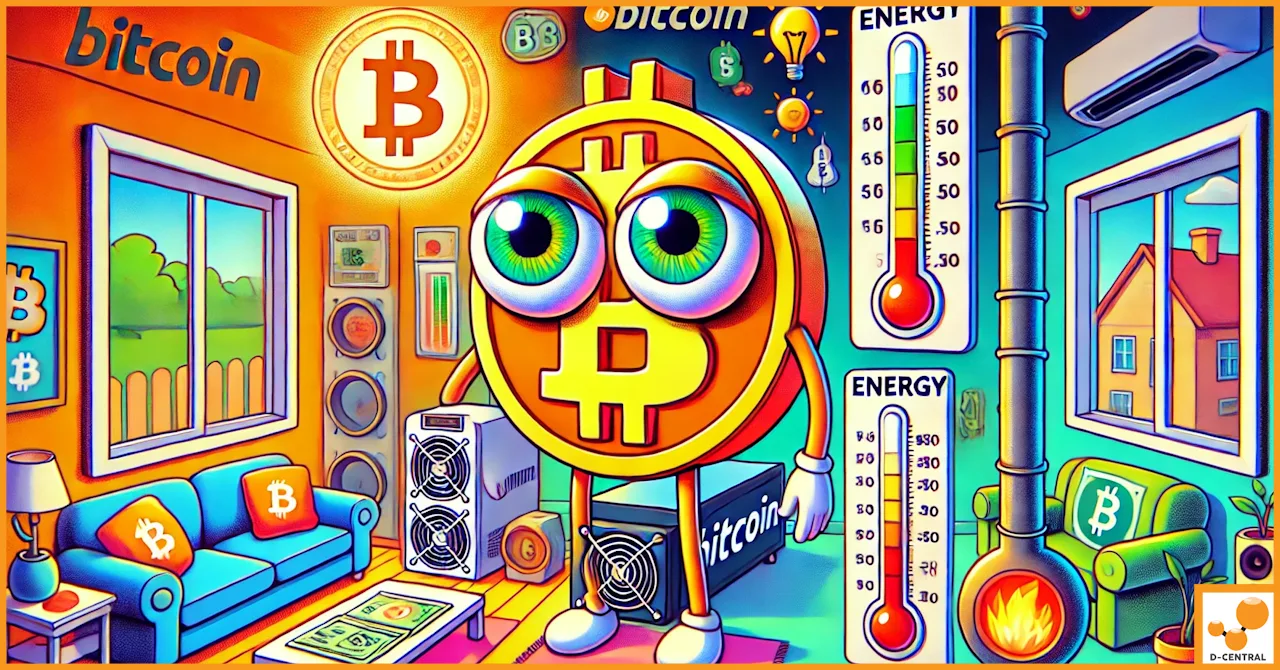
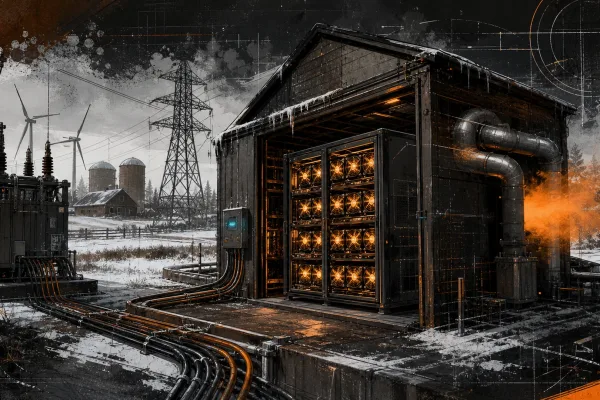
Nearly all electrical input ultimately becomes heat within the chosen room or duct boundary. That does not make mining free. Useful heat credit exists only when it displaces heat you actually need and can recover; a heat pump can supply more heat per kWh than resistance heating. Include equipment cost, ventilation, maintenance and seasonality.
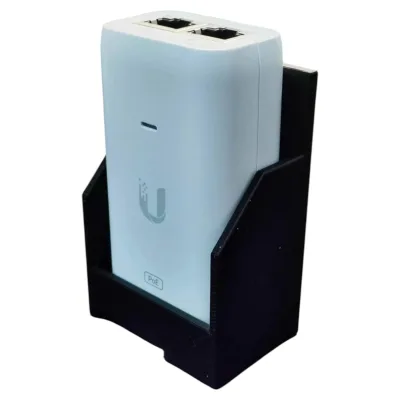
For thermal planning, use the space-heater guide, heater hardware, the electricity-cost guide, and the Bitaxe stand only as product or planning references—not as profitability promises.
Choose a setup that matches your goal
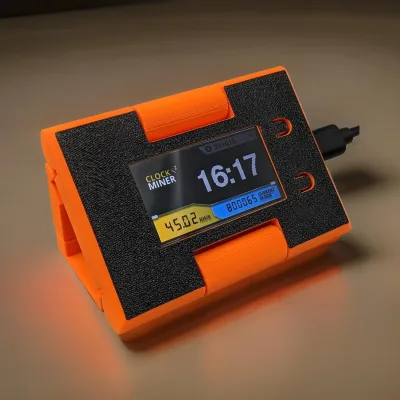
For learning, low-power devices such as the Nerdminer, NerdNOS, NerdAxe, NerdQAxe+, and NerdOctaxe Gamma make hashing visible. Their low hashrate means correspondingly low block probability.
Higher-hashrate open hardware such as the Bitaxe, Bitaxe GT, Bitaxe Hex, another NerdQAxe+, and another NerdOctaxe Gamma changes the input to the calculator; it does not remove variance. The setup guide and Bitaxe Hub cover practical setup.
Before you point a miner anywhere
- Confirm the payout address and who controls its keys.
- Measure hash rate, wall power, rejects and uptime.
- Learn whether the endpoint is a pool, a solo service, or your own template stack.
- Plan network updates and stale-work handling.
- Use a live calculator rather than fixed profitability or network claims.
Frequently asked questions
Can a small solo miner realistically find a Bitcoin block?
Yes, but the probability is very small. Use a calculator with the miner's measured hashrate, uptime and a time-stamped difficulty value. The result is a chance and an expected value, not a prediction or income promise.
Does a solo miner need a full node?
Not to receive work from a third-party solo service. But that service commonly constructs the template. Running a validating full node with your own template and mining software is the configuration that gives you direct control over transaction selection.
Is every hash equally likely to find a block?
Each fresh hash on a valid current template has the same independent probability of meeting the network target. Failed hashes are normally not sent to the Bitcoin network, and stale work after a new tip has less practical value.
Is solo mining expected to earn more than pool mining?
Gross expected reward per accepted hash can be similar, but net results depend on fees, payment method, transaction-fee allocation, uptime and stale losses. Pools reduce payout variance; solo mining concentrates it into rare block wins.
What is the current Bitcoin block reward?
At the current subsidy era, a valid block can claim a 3.125 BTC subsidy plus eligible transaction fees. The subsidy changes by block height, not by a guaranteed calendar date; use current chain data for the next transition.
Is mining heat free in winter?
Not automatically. Nearly all electrical input becomes heat within the chosen boundary, but it has economic value only when it replaces heat you need and can capture. Hardware cost, uptime, ventilation and the efficiency of the displaced heater still matter.
What happens after a solo block is found?
The completed block must be broadcast and accepted into the active chain. The coinbase output matures after 100 blocks on average about 16 hours and 40 minutes later; elapsed time and any service payout process can vary.
Further reading and sources
Explore Bitaxe hardware, the Bitaxe block-wins tracker, Nerdminer, NerdNOS, Bitaxe, NerdAxe, another NerdQAxe+, and another heater reference. Technical role claims are linked above to primary Bitcoin documentation. This page intentionally does not publish a fixed “current” network figure. See the technical mining explainer for SHA-256 and difficulty mechanics.
Bottom line
Solo mining can be a valid way to learn, contribute a small amount of proof-of-work, and—when self-template infrastructure is used—control the policy of a possible block. The honest decision comes from current inputs, stated assumptions and a clear distinction between expected value and variance.