The same Antminer that runs cool and quiet in a Manitoba basement will throttle, choke on dust, or corrode in a different climate — and the miner did not change. The environment did. Home mining is not one problem with one solution. It is the same hardware facing very different conditions depending on where you live, and the miners who treat climate as a first-class design input run setups that hold their hashrate for years while everyone else fights heat, humidity, and grit.
D-Central is a Canadian company — we mine in one of the best mining climates on earth and we have seen what the others do to hardware on our repair bench. This guide breaks down the four climate realities a home miner faces, the specific strategy each one demands, and how to pick hardware that fits your conditions instead of fighting them.
Why Climate Decides Your Setup
Three environmental factors drive everything about a home mining setup:
- Ambient temperature determines how hard you have to work to keep intake air cool enough that the miner does not throttle — and whether the miner’s heat output is an asset or a liability.
- Humidity determines your corrosion risk and, paired with dust, your risk of conductive bridging on the boards.
- Air quality — dust, pollen, salt, particulates — determines how aggressively your filtration and cleaning routine has to work.
Get these wrong and the symptoms show up as throttled hashrate, dead fans, corroded boards, and overheating faults — the exact failure modes that fill a repair queue. Get them right and the miner just runs. Let us go zone by zone.
Cold Climates: The Home Miner’s Advantage
If you mine in Canada, the northern US, or any genuinely cold region, you have the best hand in home mining. Cold ambient air is free cooling, and the miner’s waste heat is something your home needs anyway. This is the climate D-Central’s entire home mining thesis is built around.
The strategy: capture the heat, manage the condensation.
- Treat the miner as a heat source. Every watt a miner draws becomes heat. In a cold climate, that is home heating you would have paid for regardless. Route the exhaust into living spaces with shrouds and duct adapters — see our full guide to optimizing home mining with HVAC.
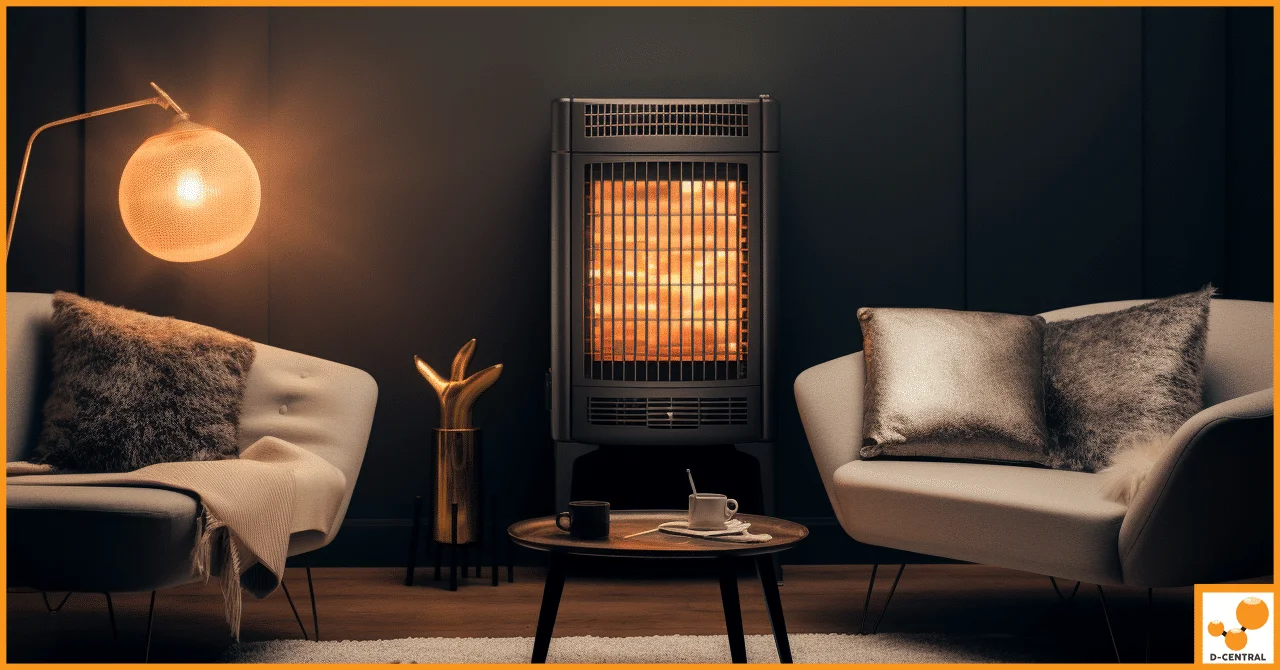
- Run space-heater hardware. D-Central’s Bitcoin Space Heater line exists for exactly this climate — full-ASIC miners engineered so their heat output is a feature.
- Watch for condensation. The one cold-climate hazard: moving hardware between a cold space and a warm one, or running a miner in an unheated space that swings through the dew point, can cause condensation on the boards. Keep the miner in a space that stays consistently above the dew point, and let cold hardware acclimate before powering it on.
- Mind static in dry winter air. Cold-climate winter air is dry, which raises static discharge risk during handling. Use an anti-static strap when working on hardware.
Best-fit hardware:
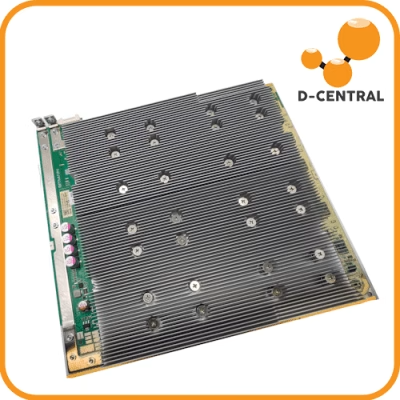
- Antminer S9 Space Heater Edition — ~13.5 TH/s stock (or ~7-9 TH/s undervolted), ~4,600 BTU/hr of heat, ~35-40 dBA. The most accessible way to put a miner to work as a heater.
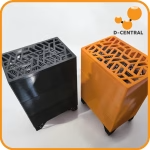
- The BitChimney — a single-hashboard S19-series miner in a 3D-printed chimney enclosure, ~21-24 TH/s at ~600-650W, ~40-45 dB, heating a room by natural convection on a standard 120V outlet. Size it with the Space Heater BTU Calculator.
Hot Climates: Cooling Is the Whole Game
In a hot climate — the US Southwest, southern states, anywhere that runs warm most of the year — the miner’s heat is the enemy and the ambient air offers no help. This is the hardest climate for home mining, and the strategy is built entirely around getting heat out.
The strategy: exhaust first, run cooler, mine at night.
- Duct the exhaust straight outside. The cheapest, most effective hot-climate move: never let the miner load the room with heat. Capture exhaust at the miner with a shroud and channel it directly out a window panel or wall vent.
- Run a lower power profile. Tune the firmware down. A miner at a reduced power profile produces less heat and is far easier to keep cool — you trade some hashrate for stability and lower cooling cost. In a hot climate this trade is usually worth it. Firmware like VNish, BraiinsOS+, LuxOS, or D-Central’s open-source DCENT OS makes power profiles straightforward on Antminer hardware.
- Mine the cool hours hard. Overnight is cooler and, on time-of-use rates, often cheaper too. Schedule heavier operation for night, lighter for the day. This pairs directly with energy arbitrage — see our guide to capitalizing on energy price fluctuations.
- Spot cooling as a last resort. A mini-split or portable AC for the mining space works but is expensive — you spend power to remove heat the miner spent power to make. Use it only when the climate genuinely forces it.
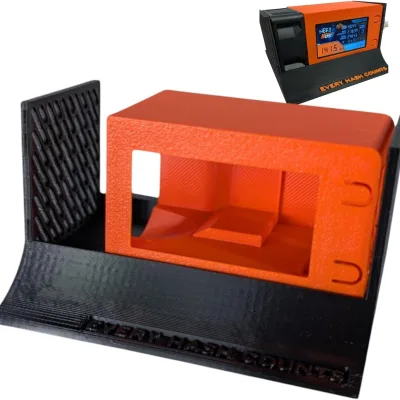
Best-fit hardware: efficiency and a contained airflow path matter most. The Antminer Slim Edition (26-44 TH/s at 860-930W, single hashboard, 3D-printed slim chassis) is built around a tight, ductable airflow path. A Bitaxe — the open-source ~15W single-board solo miner — is also a sensible hot-climate choice simply because it produces almost no heat to fight in the first place.
Humid Climates: Corrosion Is the Slow Killer
Coastal regions, the US Southeast, tropical zones — high humidity is a quieter threat than heat, but a real one. Moisture in the air settles on boards, and when it combines with dust it creates conductive paths between traces. Over months, it corrodes connectors and solder joints. Humid-climate failures tend to show up slowly, then all at once.
The strategy: control humidity, control dust, inspect often.
- Run a dehumidifier in the mining space. Keeping relative humidity in roughly the 40-60% range is the single highest-value humid-climate measure. Too humid invites corrosion and conductive bridging; a dehumidifier sized to the room keeps it in line.
- Keep dust off the boards. Dust plus humidity is the dangerous combination — damp dust is conductive. Aggressive intake filtration and a tight cleaning routine matter more here than anywhere. Our guide to a dust-free mining environment covers the routine.
- Keep airflow constant. Stagnant humid air around the boards is worse than moving humid air. Steady ventilation prevents moisture from settling and pooling.
- Inspect for corrosion regularly. Build a periodic check for green or white residue on connectors, headers, and solder joints into your maintenance schedule. Caught early, corrosion is manageable; caught late, it is a board failure.
If corrosion has already taken hold — connectors degrading, a board throwing faults — that is board-level work. D-Central’s ASIC repair service handles corrosion damage, connector replacement, and the faults that follow, across dozens of models.
Dry and Dusty Climates: Manage the Grit
Arid regions look ideal for mining — low humidity, no corrosion worry — but they trade one problem for two: airborne dust and static. Dry desert and prairie air carries fine, abrasive particulate, and a miner moving large volumes of that air becomes a dust filter that clogs fast.
The strategy: filter hard, clean often, ground everything.
- Aggressive intake filtration. Coarse filters on the miner’s intake, serviced frequently. In a dusty climate, the filter loads up fast — and a clogged filter starves the miner of cooling air, so inspection has to be frequent.
- Shorten the cleaning interval. The quarterly deep-clean schedule that works in a clean environment needs to be monthly or tighter in a dusty one. Compressed-air heatsink cleaning is non-negotiable.
- Ground against static. Dry air plus dry dust raises static discharge risk. Anti-static mats and proper grounding for the mining space, and an anti-static strap when handling hardware.
- Consider a contained enclosure. A miner in an enclosed, positive-pressure space with filtered intake stays far cleaner than one breathing open desert air.
Best-fit hardware: miners with contained, enclosed airflow paths beat bare open-frame industrial Antminers here. The BitChimney‘s enclosed 3D-printed housing and the Antminer Slim Edition‘s custom chassis both contain the airflow path far better than an exposed Antminer frame collecting grit from every direction.
Universal Practices, Whatever Your Climate
Some things hold true everywhere:
- Separate intake from exhaust. Hot exhaust recirculating into the intake throttles a miner in every climate. Always physically separate the two air paths.
- Monitor remotely. Firmware dashboards plus a fleet monitoring tool tell you when a miner throttles, drops a hashboard, or runs hot — before it becomes damage. Browse mining tools.
- Standardize firmware. One firmware across your hardware makes climate-specific tuning — power profiles, scheduling, fan curves — consistent instead of a different puzzle on every box.
- Measure your real costs. Climate affects your cooling overhead and therefore your true cost per terahash. Model it with D-Central’s Mining Profitability Calculator and Power Cost Calculator.
- Buy hardware built for homes. D-Central’s residential line — Slim Edition, Loki Edition, BitChimney, S9 Space Heater Edition — is engineered to live in a house, not a warehouse, which is a head start in every climate.
Mine With Your Climate, Not Against It
There is no universal home mining setup, because there is no universal climate. Cold climates reward you for capturing heat. Hot climates demand you get heat out and run cooler. Humid climates need humidity and dust control. Dry climates need aggressive filtration and static management. The hardware is the same — the strategy around it is what changes. Identify your climate’s real constraint, build the setup that answers it, and pick D-Central hardware that fits the conditions you actually have.
Explore D-Central’s home mining hardware and Bitcoin space heaters, and read the full How to Mine Bitcoin at Home guide for the complete playbook.
Frequently Asked Questions
What is the best climate for home Bitcoin mining?
A cold, dry climate with stable humidity is the easiest. Cold ambient air provides free cooling so the miner never throttles, and the miner’s waste heat offsets your home heating costs — turning a downside into an asset. This is why Canada and the northern US are such favorable home mining regions, and why D-Central’s home mining approach is built around cold-climate heat recovery.
How do I mine in a hot climate without losing hashrate?
Three moves: duct the exhaust straight outside so the miner never heats the room, run a lower firmware power profile so the miner produces less heat to begin with, and schedule heavier operation for the cooler overnight hours. Spot air conditioning works but is expensive — use it only when the climate truly forces it. Efficient hardware like the Antminer Slim Edition or a low-wattage Bitaxe also helps.
Does humidity really damage mining hardware?
Yes, slowly. Moisture settles on the boards, and combined with dust it creates conductive paths between traces and corrodes connectors and solder joints over time. Humid-climate failures build up gradually then surface all at once. Running a dehumidifier to keep relative humidity around 40-60%, controlling dust aggressively, and inspecting for corrosion regularly are the defenses. Corrosion damage that has already set in is board-level repair work.
Can I just run my miner outside if my house is too hot?
Generally not without protection. Outdoor air exposes the miner to rain, wide temperature swings that can cross the dew point and cause condensation, dust, pollen, and insects. If you do mine in an outdoor or semi-outdoor space, it needs a weatherproof, contained enclosure with filtered intake — not a bare miner on a porch. An enclosed, properly ventilated indoor space is almost always the better answer.
Which D-Central miner should I choose for my climate?
For cold climates, the Antminer S9 Space Heater Edition or BitChimney — hardware built to put heat to work. For hot or dusty climates, the Antminer Slim Edition with its contained airflow path, or a low-heat Bitaxe. For flexibility across conditions, the Antminer Loki Edition runs on both 110V and 240V. When in doubt, D-Central’s mining consulting can match hardware to your specific conditions.