Every few weeks, a megawatt of Antminers gets unplugged somewhere in Texas, Alberta, or Inner Mongolia. The fleet that earned a corporate balance sheet its last few sats is wheeled onto pallets, shrink-wrapped, and shipped out the door. So what actually happens to old Bitcoin miners once a large operator decides they are no longer worth running? The honest answer is more interesting than the e-waste headlines suggest. Decommissioned ASICs rarely die. They migrate. They get diagnosed, repaired, re-flashed, resold, and very often end up humming in a basement, a garage, or a workshop owned by exactly the kind of sovereign pleb this site is built for.
This is the supply side of a story we have told before from the demand side. When the price of new hardware crashes and the corporates pivot their power contracts toward AI compute, an enormous river of perfectly good machines flows downstream. Understanding where that river goes — and which machines survive the journey — tells you how to buy smart, when to repair instead of replace, and why the decommissioning cycle is quietly decentralizing hashrate into homes.
Why operators decommission miners that still work
The first thing to understand is that “decommissioned” almost never means “broken.” Industrial operators retire hardware for financial reasons, not because the silicon failed. A machine gets pulled from a Hashcenter rack for one of a few predictable reasons:
- Efficiency obsolescence. A miner is measured in joules per terahash (J/TH). When newer silicon arrives, the old machine’s power bill stops penciling out at industrial electricity rates — even though it still hashes perfectly.
- Power-contract repurposing. When an operator signs an AI compute deal or loses a cheap-power agreement, an entire fleet can be displaced overnight regardless of its condition. This is the engine behind the great hardware migration.
- Difficulty and reward economics. Rising network difficulty and post-halving block rewards squeeze the least efficient rigs out of profitability first, so they are the first to be unracked.
- Fleet standardization. Big operations prefer homogeneous fleets for firmware, spares, and cooling. Odd-model machines get sold off to simplify operations, not because they are worn out.
The result is a steady supply of working — or near-working — machines hitting the secondary market. The efficiency gap that makes an S19 a liability for a megawatt operator paying industrial rates makes it an opportunity for a home miner heating a workshop for “free” or running on residential and seasonal economics that look nothing like a Hashcenter’s spreadsheet.
Where decommissioned ASICs actually go
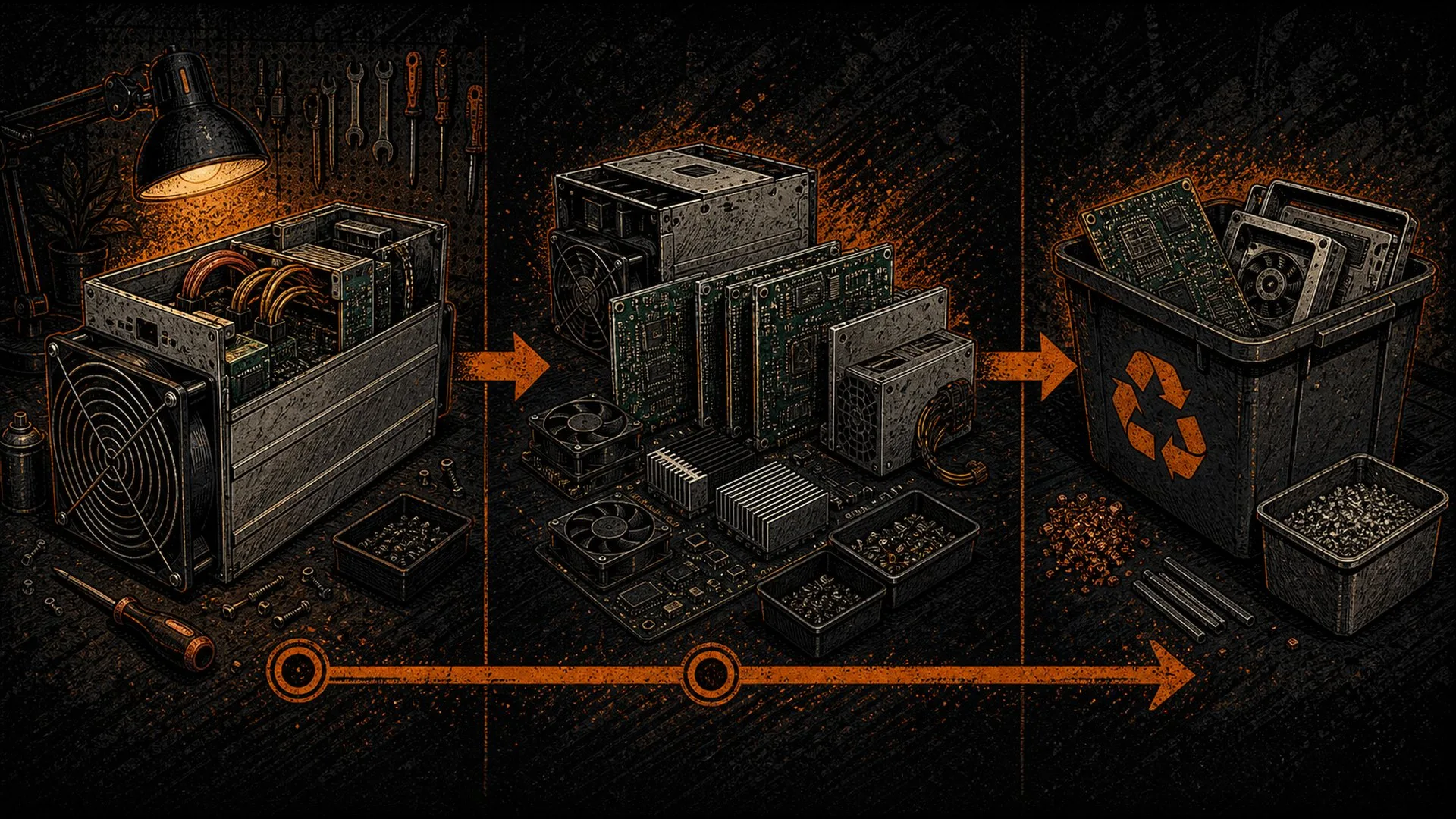
Once a fleet leaves the rack, it splits into several streams. Mapping those streams is the whole point of this article, because each one ends in a very different place.
| Stream | What enters it | Where it ends up |
|---|---|---|
| Direct resale | Working, tested units pulled for efficiency reasons | Brokers, secondary marketplaces, smaller operators, home miners |
| Repair & refurbishment | Units with one dead hashboard, fan faults, PSU issues, or thermal damage | Repair shops, then back to resale as refurbished units |
| Parts harvesting | Machines too damaged to economically restore whole | Donor boards, chips, PSUs, fans, frames feeding other repairs |
| Repurposing | Older, inefficient but functional miners (S9-class) | Space heaters, hobby rigs, lab and test benches |
| Recycling | Truly dead control boards, corroded PCBs, scrap | E-waste recyclers for metal and component recovery |
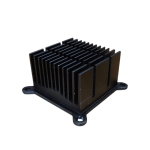
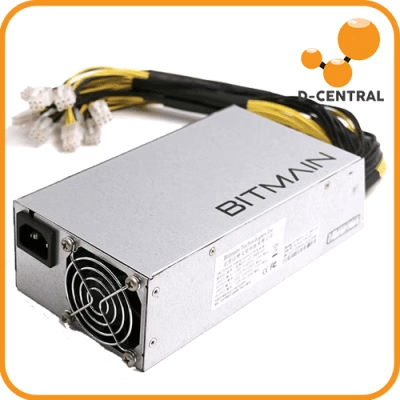
The recycling stream — the one the mainstream press fixates on — is actually the smallest, and it should be. An ASIC is a dense block of copper heatsinks, aluminum frames, a power supply, fans, and a handful of circuit boards. Almost every part of it has value to someone before it ever reaches a shredder. Sending a working hashboard to a recycler is throwing money in a bin.
The repair shop is the real recycling plant
Here is the part most “mining e-waste” coverage misses entirely: the single biggest force keeping ASICs out of landfills is the board-level repair industry, not municipal recycling. The reason is simple. Antminer hash boards fail in predictable, fixable ways. The expensive part — the silicon — is usually fine.
A modern hash board is a daisy chain of identical ASIC chips wired into voltage domains, fed by a boost circuit and a string of low-dropout regulators, and talking to the control board over an 18-pin ribbon cable. When a board “dies,” the fault is almost always in the supporting cast, not the chips. The most common failure modes are eminently repairable at the bench:
- Cold solder joints and BGA cracks from thermal cycling — a chip is alive but a signal pin lost contact. Diagnosed with a thermal camera and fixed with reflow or rework.
- LDO and boost-circuit faults — a regulator or MOSFET shorts and a voltage domain drops to zero. The board reads “0 chips,” but the chips themselves are intact; replace the failed component and the chain comes back.
- Heatsink detachment and dried thermal paste causing thermal shutdown — purely mechanical, cheap to fix.
- Single dead chip breaking the chain at chip N — detectable by enumeration count and replaceable individually.
- Connector and cable damage — bent pins or corrosion on the 18-pin interface, often the easiest fix of all.
A skilled technician with a multimeter, a hot-air station, and a hash board test fixture can resurrect a huge fraction of “decommissioned” boards. That is why the secondary supply that brokers call “scrap” is, to a repair shop, raw inventory. One machine with a single bad board becomes a working three-board miner plus a donor for the next job. This is the unglamorous, deeply effective recycling that keeps copper and silicon in service for years past their first retirement. If you want to see exactly what that process looks like from the inside, our ASIC repair service walks through diagnosis, rework, and testing on real boards.
Second life: from data center reject to home appliance
Not every decommissioned miner is worth a full board-level repair. Older silicon — the S9-class machines built around the BM1387 chip at roughly 98 J/TH — will never compete in a Hashcenter again. But inefficiency at industrial scale is not the same as uselessness at home. An S9 turns electricity into hash and heat, and if you need the heat anyway, the economics flip.
This is the second-life path that genuinely matters for plebs. A retired S9 reborn as a quiet, Noctua-cooled space heater puts roughly 1,400 watts of resistive-equivalent warmth into a room while earning a trickle of sats and a full block reward lottery ticket. It is the most decentralized possible outcome for a “dead” miner: silicon that a corporation discarded ends up owned outright, running on residential power, under the sole control of one person. That is one more layer decentralized — your hardware, your heat, your hashrate, no rack-space lease in sight.
DCENT_OS is D-Central Technologies’ GPL-3.0 open-source Bitcoin mining firmware for selected Bitmain Antminer ASIC miners. Guarded artifacts exist only for exact S9 XIL and S19j Pro XIL lanes; install evidence is incomplete and neither is production-ready. Check the exact evidence ledger.
What this means if you are buying
The decommissioning flood is the single best thing to happen to home miners in years. When corporate fleets get dumped, prices on the secondary market fall, and the plebs who were priced out of new hardware suddenly have a window. That is the demand-side mirror of everything above, and it is worth reading alongside this piece if you are shopping right now.
A few principles for buying into the decommissioning stream without getting burned:
- Know the difference between “used” and “refurbished.” A genuinely refurbished unit has been diagnosed, repaired where needed, and tested. An untested “pull” is a gamble. The word “refurbished” is abused constantly, so insist on knowing what was actually done.
- Buy from someone who can repair what they sell. A seller with a real repair bench has skin in the game and can stand behind the hardware. A broker flipping pallets cannot.
- Match the machine to your power reality. An efficient S21-class unit makes sense if you pay for every kilowatt-hour. An older S9 makes sense if you are capturing the heat. Decommissioned does not mean wrong — it means you have to think about your own economics, not a Hashcenter’s.
- Remember prices are in CAD here. Comparisons against USD-quoted competitors can mislead — convert before you judge a deal.
If you want the curated end of that stream, our ASIC miner catalog and our breakdown of the truth about new vs. refurbished mining equipment are the right next reads. For the bigger picture, see how the corporate pivot to AI compute feeds this supply in the great Hashcenter migration, why the price drop is a buying window for plebs, and how to think about whether an aging machine is worth keeping in how long ASIC miners last and how to repurpose used ASIC miners.
The decommissioning cycle is decentralization in motion
Step back and the whole flow looks less like waste and more like redistribution. Hashrate concentrated in a few large operators gets unbundled, machine by machine, and pushed out to repair shops, brokers, and ultimately individuals. Every refurbished S19 in a garage and every S9 heater in a workshop is a unit of hashrate that no longer lives inside someone else’s data center. The decommissioning cycle, far from being Bitcoin’s dirty secret, is one of the quiet mechanisms by which mining keeps decentralizing — provided we keep these machines repairable, re-flashable, and owned.
That is the part that depends on us. An ASIC only becomes e-waste when nobody is willing or able to fix it. Repair skills, open firmware, and an honest secondary market are what turn “decommissioned” into “second life.”
Frequently asked questions
Do old Bitcoin miners become e-waste?
Most do not. Operators usually decommission miners for efficiency or power-contract reasons, not because they failed, so the machines still work. They flow into resale, repair, parts harvesting, and repurposing long before anything reaches a recycler. Genuine e-waste is the last and smallest stream — typically corroded PCBs and truly dead control boards, harvested for metals.
Are decommissioned ASICs worth repairing?
Often, yes. Hash boards fail in predictable, fixable ways — cold solder joints, BGA cracks, blown voltage-domain regulators, dried thermal paste — while the expensive silicon usually survives. A board-level repair shop can restore a large share of “scrap” boards, which is why repair, not recycling, is what actually keeps ASICs out of landfills.
What can you do with a retired Antminer S9?
An S9 is too inefficient for industrial mining at roughly 98 J/TH, but it makes an excellent home heater and lottery-ticket miner. Run as a quiet space heater, it converts about 1,400 watts into warmth while earning a small amount of Bitcoin — a genuinely useful second life if you need the heat anyway.
Why do mining companies sell working miners?
Industrial economics. When newer, more efficient machines arrive, or when an operator repurposes its power toward AI compute, even fully functional fleets stop penciling out at industrial electricity rates. Selling them off is cheaper than running them — which is exactly why the secondary market is full of working hardware.
Ready to give a decommissioned machine its second life? Browse our tested refurbished and current-gen ASIC miners, or send a tired fleet to our ASIC repair service and put the silicon back to work where it belongs — in your hands.