Your home mining operation is not the same machine in January that it is in July. The hardware doesn’t change, but the environment it lives in does — and that environment quietly rewrites your hashrate, your power bill, and your hardware’s lifespan four times a year. Most home miners set up once and never adjust, then wonder why summer feels like a losing season. It feels that way because it is one, if you do nothing. The fix isn’t a better miner. It’s running your operation like the seasonal system it actually is — which, for Canadian and northern-US miners, turns out to be a structural advantage rather than a problem.
What actually changes when the seasons turn
Three variables move with the calendar, and they don’t move independently — they compound.
1. Ambient temperature — the one that touches everything
An ASIC sheds heat into the air around it. The colder that air, the easier the shedding. In winter, cool ambient air pulls heat off the heatsinks efficiently, chips run comfortably in spec, and the miner’s fans don’t have to fight — which also means the machine is quieter. In summer, warm ambient air can’t absorb heat as fast, chip temperatures climb, and eventually the firmware does what it’s designed to do: throttle the frequency down to protect the silicon. That’s the trap. A throttling miner still draws power; it just produces less hashrate for it. Your efficiency — real work per watt — silently degrades, and unless you’re watching chip temps you won’t see why.
2. Humidity — the quiet hardware killer
Humidity swings with the season and threatens hardware at both extremes. High summer humidity raises the risk of condensation — especially when a miner cycles between cool starts and hot operation — and condensation on a live PCB means corrosion or a short. Bone-dry winter air does the opposite: it lets static electricity build, and a static discharge during maintenance can quietly kill a component. The target band is 30–50% relative humidity year-round, which often means a dehumidifier in a damp summer basement and an awareness of static when you’re handling boards in January.
3. Electricity cost and the value of the heat
Two economic factors swing seasonally. First, many utilities charge more during peak-demand seasons — summer air-conditioning load drives rates up in a lot of regions. Second, and far more important: the value of your miner’s waste heat is entirely seasonal. In a Canadian winter, that heat offsets a heating bill you were going to pay anyway, which can flip your effective cost of mining dramatically. In summer, that same heat is a liability you’re paying to remove. Same watts, opposite economics, depending on the month.
Winter: your best season — lean into it
For miners in cold climates, winter isn’t something to survive — it’s the season that makes the whole equation work. This is the Canadian edge, and it’s real.
- Cooling is free. The cheapest, quietest cooling system in existence is cold outdoor air. A duct and an intake fan replace anything you’d otherwise spend on active cooling.
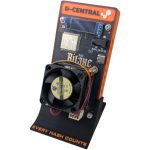
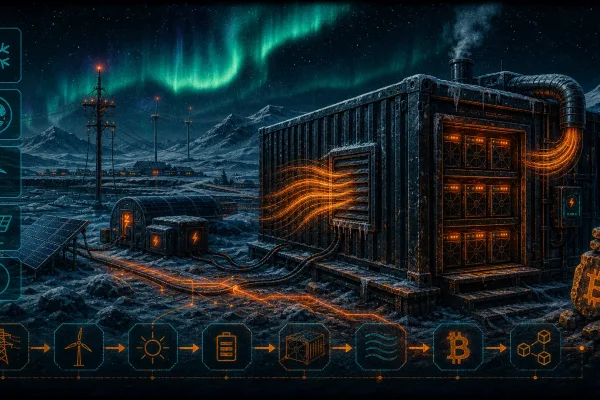
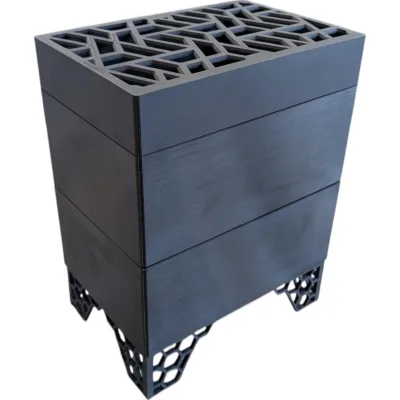
- Heat recovery flips your cost structure. This is the big one. Instead of venting miner heat outside, route it into your living space. The electricity you spend mining is electricity you’d have spent heating — so the heating becomes free and the hashrate becomes the byproduct. This is the entire logic behind D-Central’s Antminer S9 Space Heater Edition and S19 Space Heater Edition, and the DIY BitChimney heater box. Our heat recovery guide covers the strategy in full, and the Space Heater BTU Calculator tells you how much heating capacity your miners actually represent.
- Cool air can buy back performance. With genuine thermal headroom, well-cooled hardware on appropriate firmware can run a more aggressive tune. If you go that route, do it deliberately and within safe limits — the Bitaxe overclocking guide is the disciplined approach, not a free-for-all.
- Watch for the dry-air static risk whenever you do maintenance, and keep an eye on humidity so it doesn’t crater.
Summer: damage control done right
Summer is when ignored setups bleed efficiency. A managed setup just gives back a little — a managed one stays in control:
- Get the heat out, hard. Summer is when your ventilation path earns its keep. Shroud your miners, duct the exhaust outdoors, and don’t let a single watt of that heat loiter in the room. Our ventilation guide walks the full airflow build.
- Underclock during the worst of it. Backing off frequency on the hottest days cuts heat output and keeps the machine from hitting its own thermal throttle. A deliberate, modest underclock beats letting the firmware panic-throttle for you — you stay in control of the efficiency curve instead of the chip’s temperature sensor dictating it.
- Mine the cool hours. Where you have a time-of-use electricity plan, overnight is a double win — cooler ambient air and cheaper power. Concentrating your heaviest mining in those windows is one of the highest-leverage summer moves there is. See time-of-use mining.
- Run the dehumidifier if your space gets damp, and keep heatsinks clean — summer airflow is working harder, and a dust-blanketed fin pack throws away the cooling you’re paying for.
The shoulder seasons: re-aim, don’t autopilot
Spring and fall are the transition points where most miners lose efficiency simply by not paying attention — running a winter config into a warm April, or a summer config into a cold October. Treat the equinoxes as scheduled check-ins. The smartest physical setup makes this trivial: build one ducting path with a seasonal damper or a re-aimable outlet, so the same duct points the miner’s heat inward for winter and outward for summer. You build the airflow path once; you flip it twice a year. That’s the whole maintenance ritual.
Hardware choices that handle all four seasons
Some setups ride the seasons better than others:
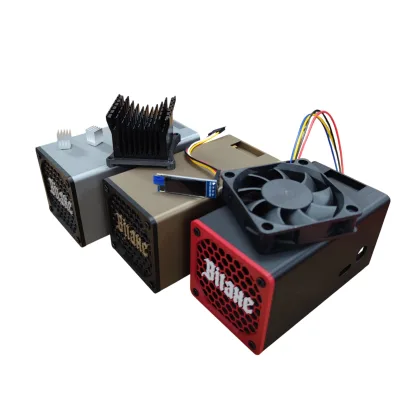
- Low-power open-source miners like the Bitaxe and NerdQAxe+ are the most season-agnostic option you can run. A Bitaxe is a ~15–20W single-board solo miner — it produces so little heat that summer barely registers as a constraint, and it asks for almost no ventilation in any month. It is not a heater and won’t warm a room; that low thermal output is precisely what makes it so easy to run year-round on a desk.
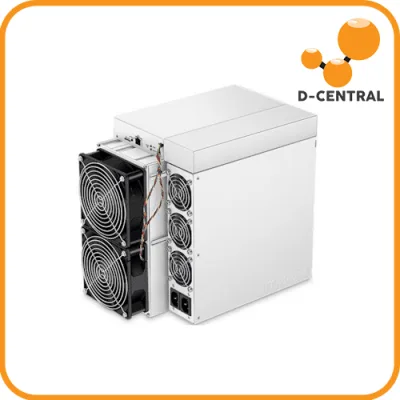
- Purpose-built home ASICs like D-Central’s Antminer Slim Edition and Loki Edition are rebuilt to be quieter and more manageable in a residential space, which gives your seasonal ventilation system less noise and heat to fight in the first place.
- Space Heater Edition ASICs — the S9 and S19 editions and the BitChimney — are built for the winter-heat use case specifically. These are the real heaters in the lineup, and in a cold climate they’re arguably the most economically rational miners you can own for half the year.
- Cooling and airflow parts — D-Central’s shrouds, cooling fans, and internal hashboard airflow dividers — are what let one physical setup adapt across all four seasons instead of being rebuilt twice a year.
Whatever you run, keep the firmware current — efficiency improvements ship in firmware updates, and a stale firmware leaves performance on the table in every season.
Model your year, don’t guess it
Seasonal swings are predictable, which means they’re plannable. Run your numbers through the Mining Profitability Calculator twice — once with your summer electricity rate and once with your winter rate, and factor the heat-offset value into the winter pass. Use the Power Cost Calculator to see what an underclock or a time-of-use shift actually saves you in July. The miners who treat home mining as a year-round system instead of a set-and-forget appliance are the ones still profitable in the season everyone else is quietly losing.
Frequently asked questions
Does my miner really run worse in summer?
If you do nothing to adapt, yes. Warm ambient air can’t absorb heat as fast, so chip temperatures rise and the firmware throttles frequency to protect the silicon — meaning the same power draw produces less hashrate. With proper ventilation and a modest summer underclock, you stay in control of that curve instead of letting the chip’s thermal sensor dictate it.
Is winter genuinely better for home mining?
For cold-climate miners, decisively yes. Cooling is essentially free, and — the bigger factor — the miner’s waste heat offsets a heating bill you’d pay anyway. That heat-recovery effect can flip your effective cost of mining. It’s the core Canadian advantage in home mining.
Should I overclock in winter and underclock in summer?
That’s the right instinct, done carefully. Genuine winter thermal headroom can support a more aggressive tune on appropriate firmware; summer heat argues for backing off. Do both deliberately and within safe limits — see the Bitaxe overclocking guide for the disciplined method rather than guessing.
Does a Bitaxe need seasonal adjustment?
Barely. A Bitaxe is a ~15–20W single-board miner that produces very little heat, so it’s the most season-agnostic hardware you can run — it needs almost no ventilation and summer hardly registers as a constraint. Seasonal management becomes a real project when you scale up to full ASICs.