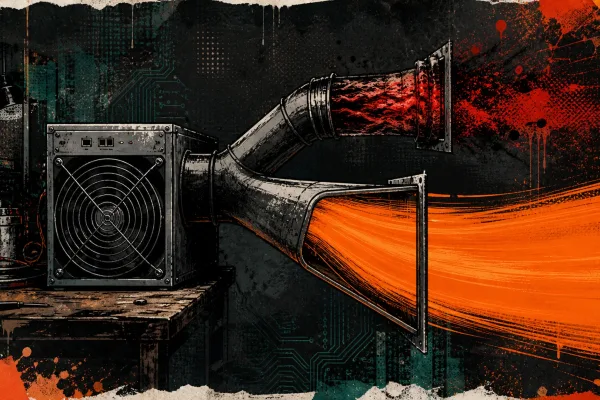
6-Inch vs 8-Inch Duct for ASIC Miners: The Real Sizing Guide
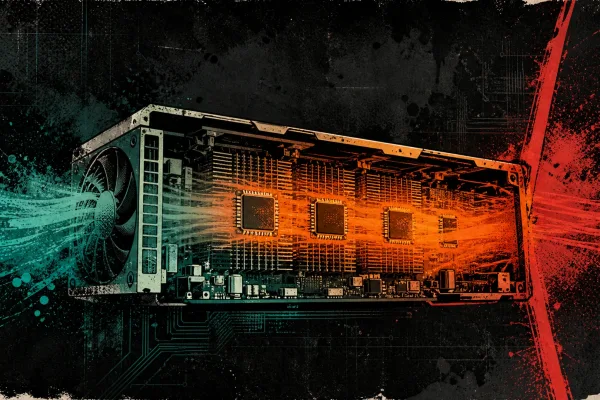
Every ducted mining setup eventually hits the same question: 6-inch or 8-inch? Pick too small and your fans fight the duct all day. Pick too…
Mining knowledge, repair guides, and industry insights from the workshop floor.
Every ducted mining setup eventually hits the same question: 6-inch or 8-inch? Pick too small and your fans fight the duct all day. Pick too…
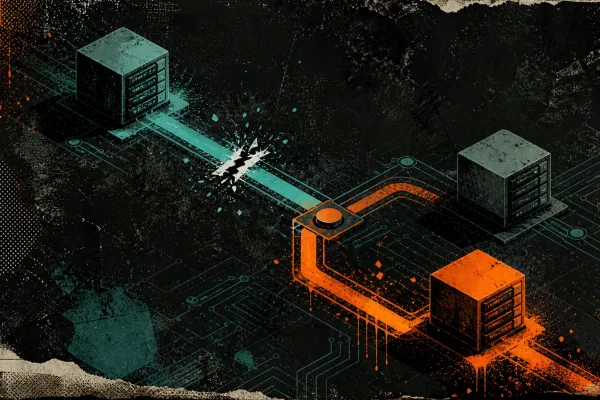
Ask why a hashboard reports zero chips and most troubleshooting guides jump straight to the ASICs. But on S19-generation boards there’s a 14-pin chip the…
Open up any S9-through-S19-era Antminer control board and the biggest chip on it isn’t just a CPU — it’s a Xilinx Zynq, a hybrid part…
AI compute is running the same concentrate-burn-distribute cycle as Bitcoin mining. GPUs go obsolete like ASICs, over-leveraged operators get burned, and the compute trickles down to the edge — ending in sovereign home mining and home AI inference.
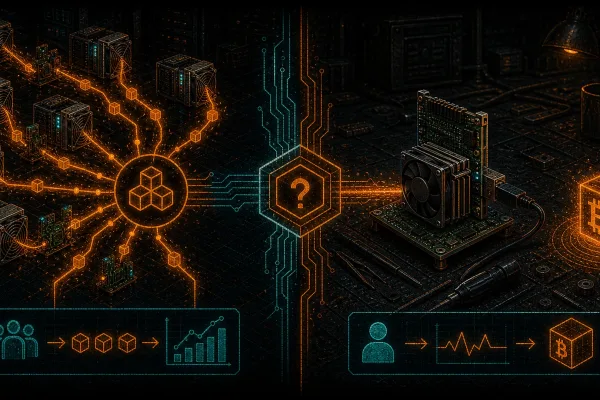
Poolin, once Bitcoin’s largest mining pool, filed Chapter 11 owing $163.7M in frozen IOUs to 11,700 customers. Why mining as a standalone business failed — and why dual-purpose mining is the decentralized future.
A Nostr event has three moving parts: its kind (what type of thing it is), its content (the payload), and its tags (structured metadata that…
If the RPC interface is how you talk to your Bitcoin node, bitcoin.conf is how you shape it — the settings file that decides how…
When someone shares a Meshtastic channel, they send you a link like https://meshtastic.org/e/#<data> — or the QR code that encodes the same thing. That link…
When you run your own Bitcoin node — the foundation of solo mining and of not trusting anyone else’s copy of the ledger — you…
Every Antminer hashboard carries a small I²C EEPROM that answers one question for the control board: which board is this, and how was it tuned?…
When an Antminer refuses to boot — no web interface, no hashing, sometimes not even a network light — the diagnosis often ends at two…
Solo mining is a numbers game. Your Bitaxe is hashing against the entire Bitcoin network — roughly 800+ EH/s of combined computational power.
The entire history of Bitcoin mining hardware has been a story of centralization. A handful of manufacturers, behind closed doors, designing chips and machines that only they control.
Every Bitcoin miner faces a fundamental decision before their first hash is computed: pool mining or solo mining? This choice shapes your economics, your privacy, your relationship with the…
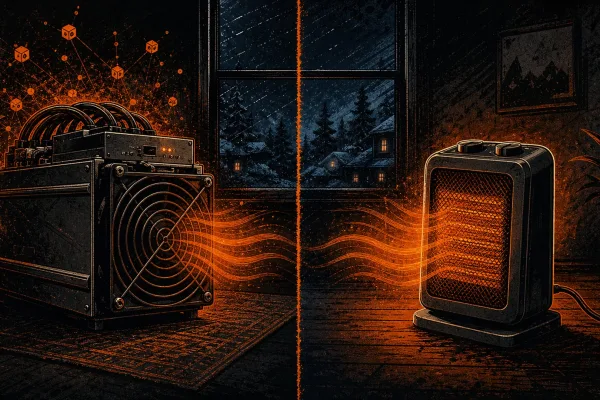
An illustrative equal-heat comparison: 3,731.2 kWh per heater per season, explicit CAD cost inputs and variable mining receipts. Payback is not guaranteed.
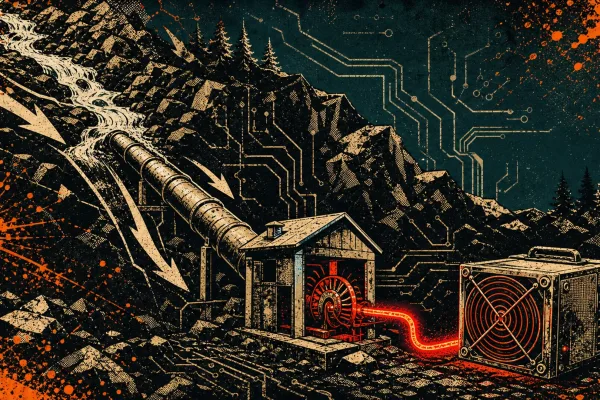
Of every renewable resource a homesteader can tap, running water is the one that behaves most like the grid. Solar quits at sundown. Wind comes…
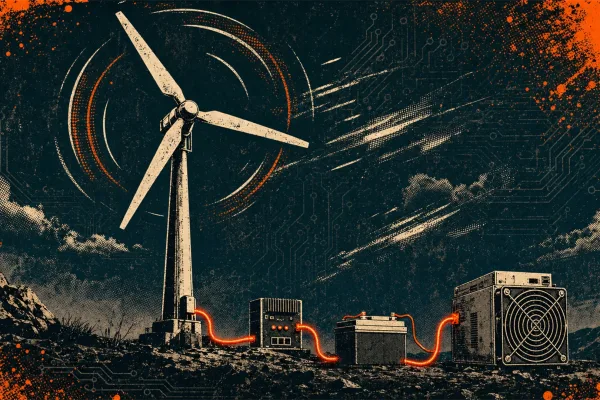
Wind gets pitched as the obvious next step after solar panels: free fuel, a tower in the back forty, and an ASIC humming through the…
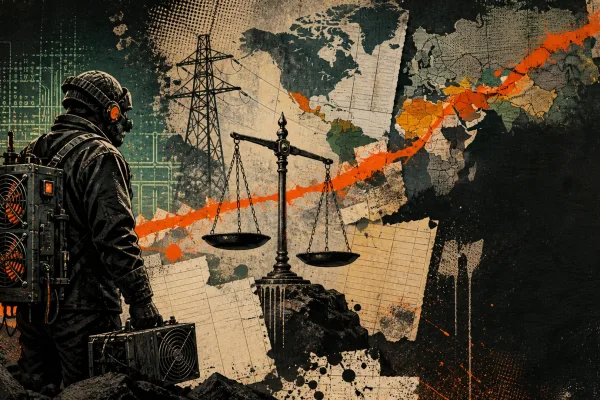
Is Bitcoin mining legal? In most countries the act is legal – what is regulated is grid power and tax. Read the global spectrum and assess your own jurisdiction.
What ASIC max-chip, intake, throttle and shutdown temperatures mean, how firmware throttling de-rates hashrate, how to read temp telemetry, and the intake to target.
Set up primary, secondary and tertiary mining pools across stock Bitmain, BraiinsOS+ and AxeOS — plus how to spot a silent failover before it costs you.
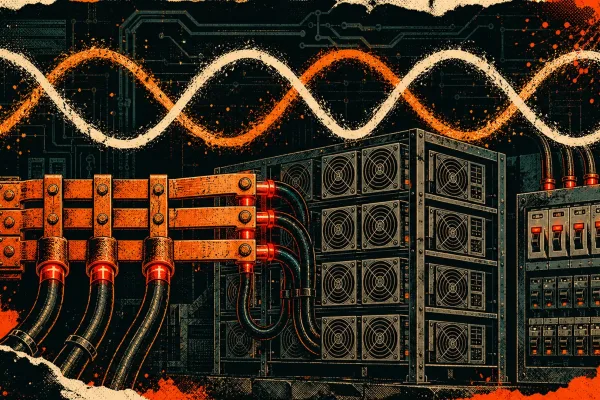
An engineer-facing acceptance guide for documenting service configuration, load evidence, power-quality measurements, and escalation boundaries before ASIC hashcenter operation.
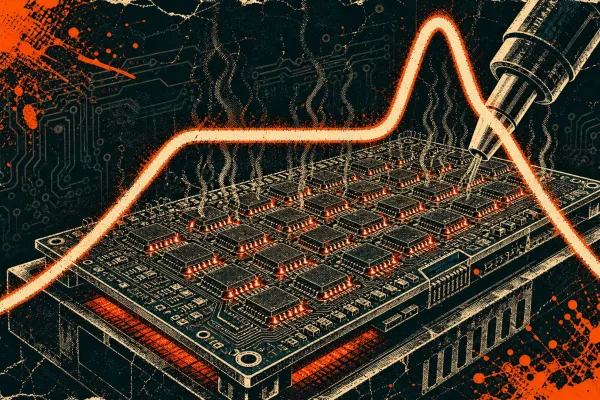
Four-stage SAC305 reflow profile for ASIC hashboard rework: preheat, soak, peak, cooling, plus the aluminum-substrate adjustments FR4 profiles miss.
How to diagnose a broken BM13xx hashboard serial chain: scope the clock and reset signals, read the chip count, and bisect to the first failing ASIC.
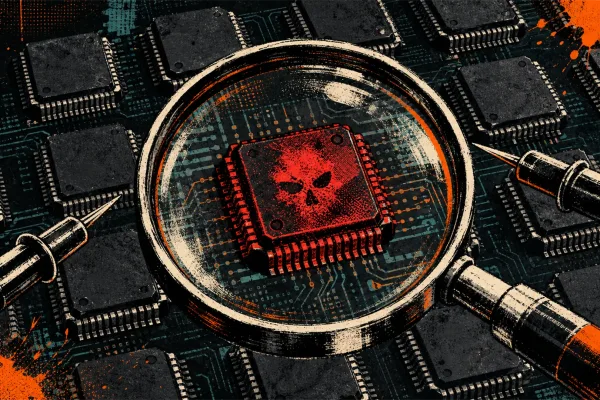
How buyers and repair shops spot counterfeit, remarked, and recycled mining ASIC chips: microscope, solvent rub, date-code logic, and electrical binning.
Current-status note (8 August 2026): this dated launch announcement records what was published on 9 July. The S9 XIL and S19j Pro XIL files are…
How NIP-15 Nostr marketplaces work: stall/product events, the order-payment flow, Shopstr and Plebeian Market, and pairing with Lightning and BTCPay.
SBI Crypto closes its public Bitcoin mining pool on July 30, 2026, sending ~2% of network hashrate looking for a new home. Step-by-step migration guide: withdraw balances, repoint stratum URLs, verify shares, and compare payout schemes.
NixOS for sovereign Bitcoiners: a declarative, reproducible node plus local AI, Tor and a Nostr relay in one config, with atomic rollbacks.
SimpleX, Briar, Signal, and Nostr DMs compared by threat model: content vs metadata vs social graph. A neutral privacy messaging guide for Bitcoiners.
Clearnet vs Tor vs I2P for your Bitcoin node: real trade-offs on latency, eclipse attacks, and censorship, plus bitcoin.conf snippets to run all three.
Last reviewed July 7, 2026.